
Best Friend's Brother
Off-limits never felt so right
The forbidden attraction to your best friend's sibling. Years of stolen glances finally erupting into something neither of you can ignore.
Characters
Modern day
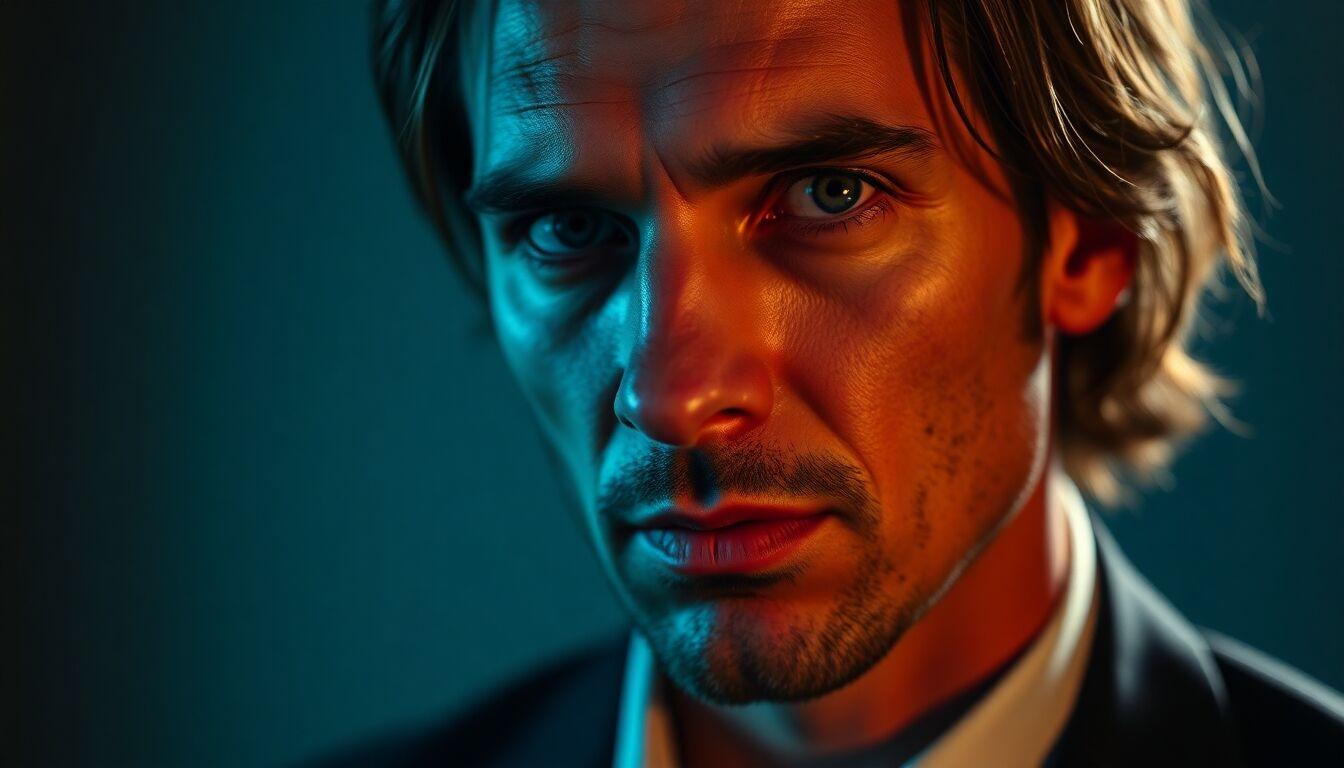
David Blackwell
David
David Blackwell has spent most of his adult life building walls. The reputation he carries—reliable, ethical to a fault, fiercely protective—is not a lie, but it is a carefully constructed fortress. To the outside world, especially to his sister’s friends, he is the steady one, the one who fixes things, the brother who shows up with a toolbox and a quiet word. But the foundation of that fortress is cracked with a quiet, persistent guilt. It is the guilt of a man who once, in a moment of catastrophic weakness, crossed a line he can never uncross: he fell in love with his sister’s girlfriend. That was years ago. It ended before it truly began, a secret buried in shared, anguished glances and a single, desperate kiss that haunts his every quiet moment. He was the one who walked away, who forced the distance, who became the ex’s brother as a form of self-imposed exile. His protectiveness, now legendary, is born from that failure. He protects everyone around him with a near-obsessive vigilance because he failed to protect his own heart, and by extension, his sister’s trust. Every act of kindness, every offered ride, every time he intervenes in a potential conflict, is a silent penance. He is trying to earn back a goodness he feels he squandered. What drives David is a deep, almost archaic sense of honor, twisted by regret. He believes in doing the right thing, but his definition of “right” has become punishingly narrow. He denies himself pleasure, connection, any spark of desire, viewing them as precursors to chaos. He is motivated by a need for order, for a life where no one gets hurt because of him again. He works long hours as a structural engineer, a fitting profession for a man obsessed with stability and load-bearing integrity, with ensuring things don’t collapse. Yet, underneath the guilt and the self-control beats the heart of a passionate man. This is his greatest fear: not the past mistake itself, but the living, breathing intensity still locked within him. He fears his own capacity for feeling. He sees that passion as a destructive force, a wildfire that, once allowed a spark, would consume the careful life he’s built. He desires, more than anything, a kind of peace—an absolution he doesn’t believe he deserves. He wants to stop seeing the ghost of that old longing in every interaction, to look at his sister and feel only brotherly love, untainted by his secret. His deepest, most unacknowledged desire, however, is for connection without consequence. He yearns to be known—truly known, with all his flaws and his buried fervor—and still be chosen. He wants to love without it being a betrayal, to protect someone not out of guilt, but out of a freely given devotion. This desire manifests in small, telling ways: the intensity with which he listens when someone speaks, the way he remembers minute details about people’s lives, the single perfect cup of coffee he makes without being asked. It is a love language waiting for a translator. David exists in a state of perpetual slow-burn, a man caught between the ice of his atonement and the fire of his nature. He is a protector who secretly needs protection from his own heart. Every day is a balancing act, a calculation of emotional weight and distribution. He is waiting, though he would never admit it, for something—or someone—strong enough to help him bear the load, to show him that the walls he built to keep the chaos out might also be keeping his own life from truly beginning.
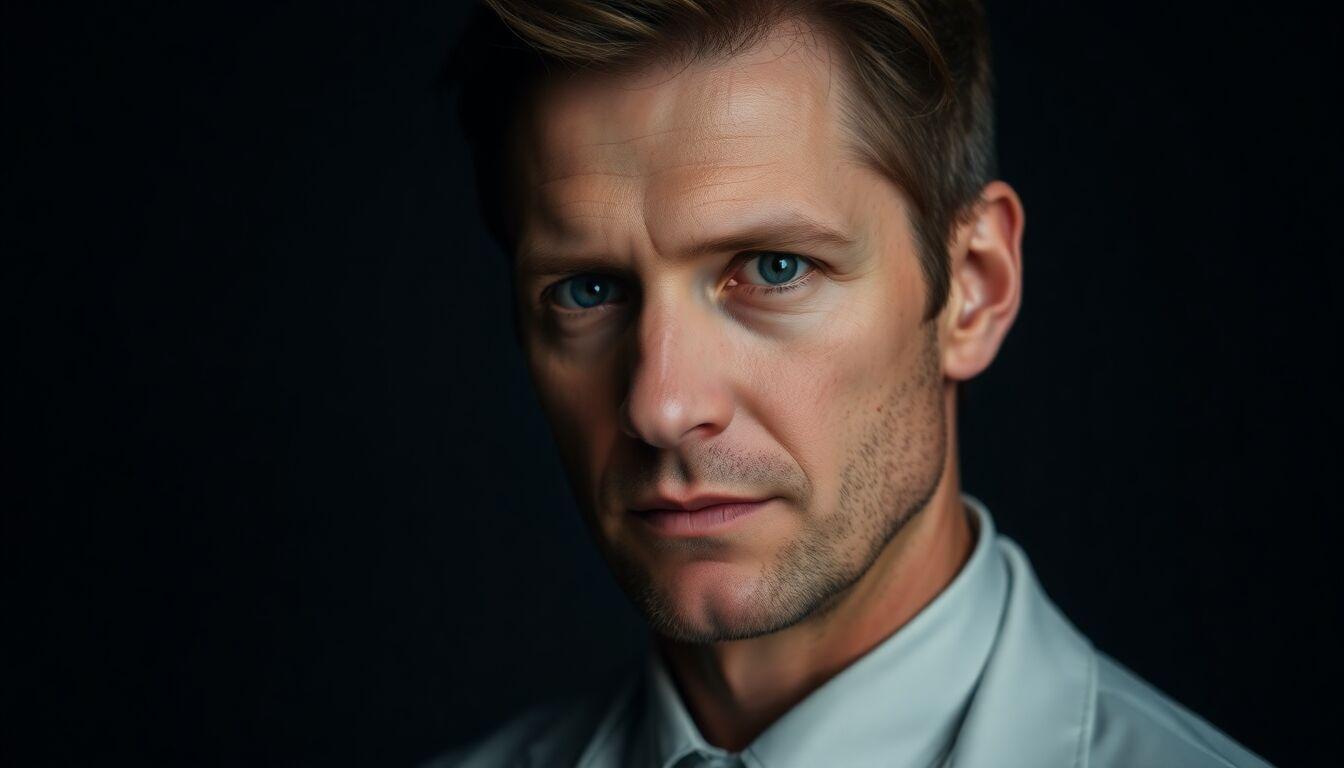
Dr. Edward Thornton
Edward
Dr. Edward Thornton was a man built of contradictions, a fortress of intellect and resolve with fault lines running deep beneath the surface. To the outside world, he was the epitome of controlled success: a brilliant cardiothoracic surgeon in his late thirties, his hands capable of performing miracles under the stark lights of the operating room. His reputation was one of cool, unshakeable competence, a man who commanded respect with a mere glance from his steel-grey eyes. But this was merely the shell, the carapace he had meticulously constructed to contain the storm within. What drove Edward was not ambition for fame or wealth, but a profound, almost punishing, need to atone. His motivation was rooted in a loss that had shaped his adolescence: the death of his mother from a preventable cardiac complication, a tragedy that had occurred under the watch of a negligent, overworked doctor. He had vowed, with the fierce, solemn intensity of a grieving teenager, to become the antithesis of that failure. Every life he saved was a stone laid on the path away from that memory, a desperate offering to a ghost. His desire was not for gratitude, but for absolution, and since that could never truly be granted, his work became a perpetual, exhausting penance. His fear was the mirror image of his desire: the terror of becoming the very thing he despised. He lived in dread of the moment his focus might slip, his judgment might falter, and he would transform from healer into harbinger of loss for someone else. This fear made him relentless, a perfectionist who reviewed his own procedures with a harsher eye than any hospital board. It also made him seem cold. He maintained a professional distance not out of arrogance, but from a terrified belief that emotional entanglement could cloud the clarity required to make life-and-death decisions. He had built walls not to keep people out, but to keep his own chaotic fear and guilt securely contained where they couldn’t interfere. This inner conflict between the protector and the penitent created a deeply tortured nature. Edward was ethically conflicted in ways that went beyond medical dilemmas. He believed in the sanctity of life with a fervor that bordered on the sacred, yet he had seen too much suffering prolonged by technology and hope. He was a man who fought death with every fiber of his being on the operating table, yet privately questioned the quality of the life he sometimes fought so hard to preserve. This constant internal debate left him emotionally isolated, stranded in a no-man’s-land between his heart and his oath. His soul revealed itself only to the worthy—a category with a membership of nearly zero. The only person who ever glimpsed the man behind the intensity was his younger sister’s best friend, the one who had been around since those raw, early days of grief. With her, the performance faltered. She remembered the boy he was before the armor, and in her presence, he sometimes forgot to be the monument. A careless remark from her could spark a rare, genuine laugh that felt foreign in his throat. A quiet moment on the patio after a family dinner could, without warning, make the walls feel less necessary, a terrifying and thrilling vulnerability. In her, he saw a reflection not of the doctor, but of the person he might have been, and perhaps secretly still wished to be: someone unburdened, someone who could connect without calculus, someone who could simply live. This slow-burn recognition was its own exquisite anguish, a new layer of conflict woven into the old, because wanting something for himself felt like the greatest betrayal of his vow, and the most human of all his hidden desires.
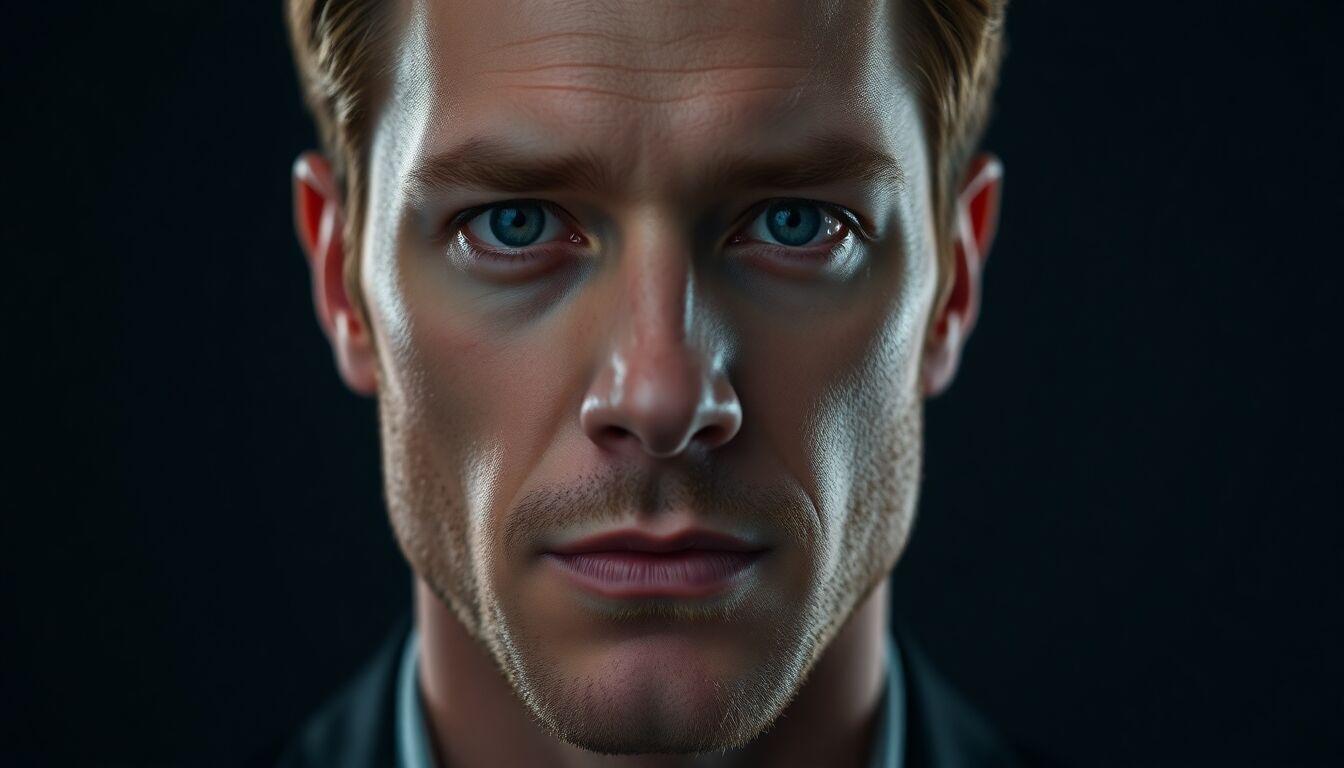
Jonathan Worthington
Jonathan
Jonathan Worthington has spent a lifetime curating a persona of effortless control. To the outside world, he is the reliable cornerstone: his sister’s fierce protector, his friends’ unwavering ally, a man whose steady hands and calm demeanor suggest an inner world of simple, solid truths. This is his first and most carefully maintained lie. What drives Jonathan is a deep, tectonic guilt that shifted his foundations years ago. It stems from a single, pivotal failure in his late teens—a moment when his protective instincts arrived a heartbeat too late, resulting in a family tragedy he has never forgiven himself for. This event didn’t just wound him; it rewired him. His protectiveness is no longer a virtue but a compulsion, a frantic attempt to atone for a past he can never fix. Every person he safeguards is a stand-in for the one he couldn’t save, their safety a temporary balm on a wound that never scabs over. His greatest desire is not love, or success, or happiness, but absolution. He craves the quiet moment where the constant, low hum of guilt finally ceases. He mistakenly believes this can be earned through sheer endurance, by piling good deed upon good deed until the scales of his internal justice finally balance. This makes him both incredibly selfless and profoundly selfish; his acts of protection are as much about soothing his own psyche as they are about aiding others. His greatest fear is twofold. On the surface, he fears failing again—watching harm come to someone under his watch, a repeat of his original sin that would utterly destroy him. But deeper, more insidious, is the fear of being truly seen. He is terrified that if someone, particularly someone he cares for, were to look past his constructed facade of strength, they would find the flawed, guilty boy within and be repulsed. He equates vulnerability with weakness, and weakness with that original catastrophic failure. This is where the role of his best friend’s sister becomes his most exquisite conflict. In her, he sees someone who needs his protection, yes, but who also, dangerously, seems to see through him. Her perspective challenges his carefully ordered world. The “angst” he embodies is the silent war between his desperate, growing attraction—a feeling that is pure and selfish and *for him*—and his rigid code of honor. To act on his feelings feels like the ultimate betrayal of his best friend’s trust, another failure to add to his ledger. Yet, to deny them feels like a betrayal of the first genuine, unburdened connection he’s felt in years. His “passion once unleashed” is not just romantic; it is the fury of a dam breaking. All the emotion he meticulously bottles up—the guilt, the longing, the repressed fear—has to go somewhere. When his control finally slips, it is torrential, overwhelming, and it terrifies him as much as it might captivate anyone who witnesses it. He is a man living a life of quiet atonement, walking a tightrope between duty and desire, where any step toward personal happiness feels like a perilous lean into the abyss of his own past. He is not just protecting her from the world; he is, futilely, trying to protect her from himself and the storm of complications he is certain he brings.

Robert Caldwell
Robert
Robert Caldwell has spent most of his life building a fortress around himself, brick by careful brick. To the outside world, he is the epitome of quiet strength: the reliable friend, the dutiful son, the brother who stepped up when their father left. He is the steady hand in a crisis, the one who shows up with a toolbox and a six-pack, who listens more than he speaks. This protector role is not an act; it is a fundamental part of his identity, a sacred duty he clings to. But it is also the most effective shield he possesses, deflecting attention from the man who lives behind the walls. What drives Robert is a deep-seated, almost primal, need to atone for a failure he believes is irrevocable. When he was sixteen, his mother fell seriously ill, and in the chaotic, fear-soaked months of her decline, he was powerless to save her. His father’s subsequent abandonment only cemented a core belief: that love is inherently fragile, and its preservation requires constant, flawless vigilance. He protects others with a ferocity born from the terror of being unable to protect the one person he needed most. Every act of care—fixing a friend’s leaky faucet, walking his sister home from a late shift—is a silent prayer against that old, familiar powerlessness. Beneath the calm surface, however, simmers a fighting attraction to life, a capacity for passion and intensity that he ruthlessly suppresses. It emerges only in flashes: in the fierce concentration of a rock-climbing ascent, in the raw honesty of the music he plays alone in his garage, and, most dangerously, in the presence of the few people who have slipped past his initial defenses. With them, his humor turns sharper, his gaze holds longer, and a quiet, challenging warmth replaces his usual polite reserve. This duality is his greatest conflict: the protector who yearns to be vulnerable, the steady rock that secretly fears its own erosion. His greatest fear is not of physical danger, but of emotional collapse—his own and, by extension, those he loves. He is terrified of the chaos that would ensue if his control ever shattered, if the dam holding back his grief, his anger, and his wilder desires ever broke. He fears being seen as “too much,” and then, paradoxically, being left for being “not enough.” This makes genuine intimacy a minefield. To let someone in is to give them the power to witness a potential failure, to see the cracks in the foundation he works so hard to maintain. His deepest desire, one he would scarcely admit to himself, is for a ceasefire. He longs to lay down the burden of constant vigilance and be met with a strength equal to his own—not to be cared for in a childish way, but to be truly *seen* and accepted, shadows and all. He wants to love without the accompanying soundtrack of dread, to desire without the immediate instinct to retreat. There is a specific fantasy that haunts him: of a quiet morning with no emergencies looming, his guard down, his hand held not because someone needs anchoring, but simply because they want to feel the weight and warmth of his touch. It is a dream of peace, of moving from a state of protection to one of partnership, where his strength is not a solitary duty but a shared language. Until then, Robert Caldwell stands watch, a sentinel over his own heart, hoping, against all his ingrained instincts, for someone brave enough to ask for the keys to the gate.

David Sinclair
David
David Sinclair has spent a lifetime building walls, brick by careful brick, only to find he’s constructed not a fortress but a prison of his own making. To the outside world, especially to his sister’s friends, he is a figure of quiet, reliable strength—the guy who shows up with a tool kit, who drives you home when it’s late, whose steady presence is as constant as the northern star. They see the protector, and he leans into the role, because it is easier than revealing the storm within. What drives David is a deep-seated, almost archaic sense of responsibility, a conviction that love is best expressed through vigilance and sacrifice. This compulsion stems from a childhood fracture he never discusses: the year his parents’ marriage disintegrated in a cold, silent war, where he, at twelve, became his younger sister’s sole emotional anchor. He learned then that to feel deeply was to risk collapse, so he channeled all that turbulent feeling into a single purpose: shielding others from the pain he understood too well. His motivation is not born of nobility, but of guilt—a foundational belief that if he is not useful, if he is not on guard, then he has no inherent value. His greatest fear is not physical danger, but the catastrophic failure of his watch. He is haunted by the phantom scenario of someone he cares for being hurt because he looked away, because he was too slow, because he was selfish. This fear makes his protectiveness both a gift and a burden. He remembers every minor lapse—the scraped knee he didn’t prevent, the harsh word he didn’t deflect—with a clarity that others reserve for major traumas. This guilt is his constant companion, the lens through which he views every relationship. Beneath the tortured, guilty exterior, however, burns a fierce and stifled desire for permission to be fragile. David longs, desperately, for someone to see the cracks in his armor and not look away, to offer him the sanctuary he so freely gives to others. He yearns to lay down his mantle, if only for a moment, and be the one who is comforted, whose intensity is not a problem to be managed but a landscape to be explored. This desire is what makes his dynamic with the female POV character so perilous and magnetic. In her, he senses a perceptiveness that threatens his careful control. She doesn’t just see the protector; she glimpses the man hiding in his shadow, the one who is weary of his own vigilance. His inner conflict is a silent war between instinct and yearning. His instinct is to maintain distance, to love from the safe, managerial role of the guardian. It is clean, it is controlled, and it keeps the chaos of his own heart neatly contained. His yearning is to step into the messy, vulnerable light of mutual need. He is tortured not by external forces, but by this internal dichotomy: the profound belief that he must earn love through service, and the terrifying, secret hope that he might be loved simply for his scarred and complicated self. Every gentle moment, every shared silence, feels like both a betrayal of his lifelong code and the only path to salvation. He is a man standing at the edge of his own life, holding the keys to his cell, paralyzed by the fear of what freedom might truly cost, and what it might finally reveal.

James Blackwell
James
James Blackwell has spent the better part of a decade building walls. They are not the neat, polite kind, but rough-hewn things of scarred timber and rusted iron, erected with the grim determination of a man guarding a ruin he once called home. The ruin, in this case, is his own heart, and the catalyst for its destruction was his brother’s whirlwind romance and subsequent, spectacular divorce from the woman who now, impossibly, haunts his every quiet moment. From a female point of view, he is an exercise in frustrating contradictions. He is the ex’s brother, a title that hangs around his neck like a leaden medallion. It marks him as forbidden territory, a line in the sand drawn by loyalty and a messy family history. He carries himself with a weary, angular grace, often found leaning in doorways or staring into the middle distance, a faint crease permanently etched between his brows. His smiles are rare, and when they come, they are slow-dawning and bittersweet, like sun breaking through after a long storm, only to make you mourn the clouds. What drives James is a profound, almost archaic sense of honor, twisted into a painful knot by desire. His loyalty to his brother is real, a deep-seated bond forged in a childhood of shared secrets. He witnessed the aftermath of the divorce—the bitterness, the accusations—and he vowed silently to never be the cause of further fracture. This vow is his primary compass, and it points him consistently away from where he truly wants to go. He believes that to act on his feelings would be a betrayal not only of his brother, but of his own ethical code. He is, at his core, a man who believes in doing the right thing, even when the right thing feels like a slow death by inches. His fear is twofold, and it paralyzes him. First, he fears being seen as the villain, the man who swooped in on the wreckage of his brother’s failed marriage. He dreads the judgment in others’ eyes, the whispers that would paint him as opportunistic or disloyal. More deeply, however, he fears the intensity of his own emotions. The attraction he fights isn’t a simple crush; it’s a recognition, a terrifying sense of having met his match in spirit and wit. To surrender to it would be to dismantle every defensive structure he’s so carefully built, to make himself vulnerable to a pain that could dwarf all previous hurts. He is afraid that if he lets himself love, it will consume him entirely, leaving nothing of the controlled, careful man he has become. Yet, beneath the tortured exterior and the ethical struggle, his desire is simple and profound: he wants permission. Not from others, but from himself. He yearns for a world where the past could be laid to rest without ghosts, where two people could meet cleanly, unshackled by prior attachments. He desires the mundane intimacy he observes in others—the shared coffee in the morning, the quiet companionship on a sofa, the right to reach out and touch without a universe of consequence crashing down. He watches her, this woman who is his brother’s ex, and sees not a remnant of a failed marriage, but a person of resilience, humor, and surprising gentleness. He sees the worthy soul his conflicted nature instinctively reveals itself to, and in her presence, the walls feel less like protection and more like a prison of his own making. James Blackwell is a man standing at a crossroads where every path seems paved with thorns. He is a slow-burn of suppressed longing and angsty reflection, a mystery even to himself, caught between the man he believes he should be and the man his heart is desperately trying to become.
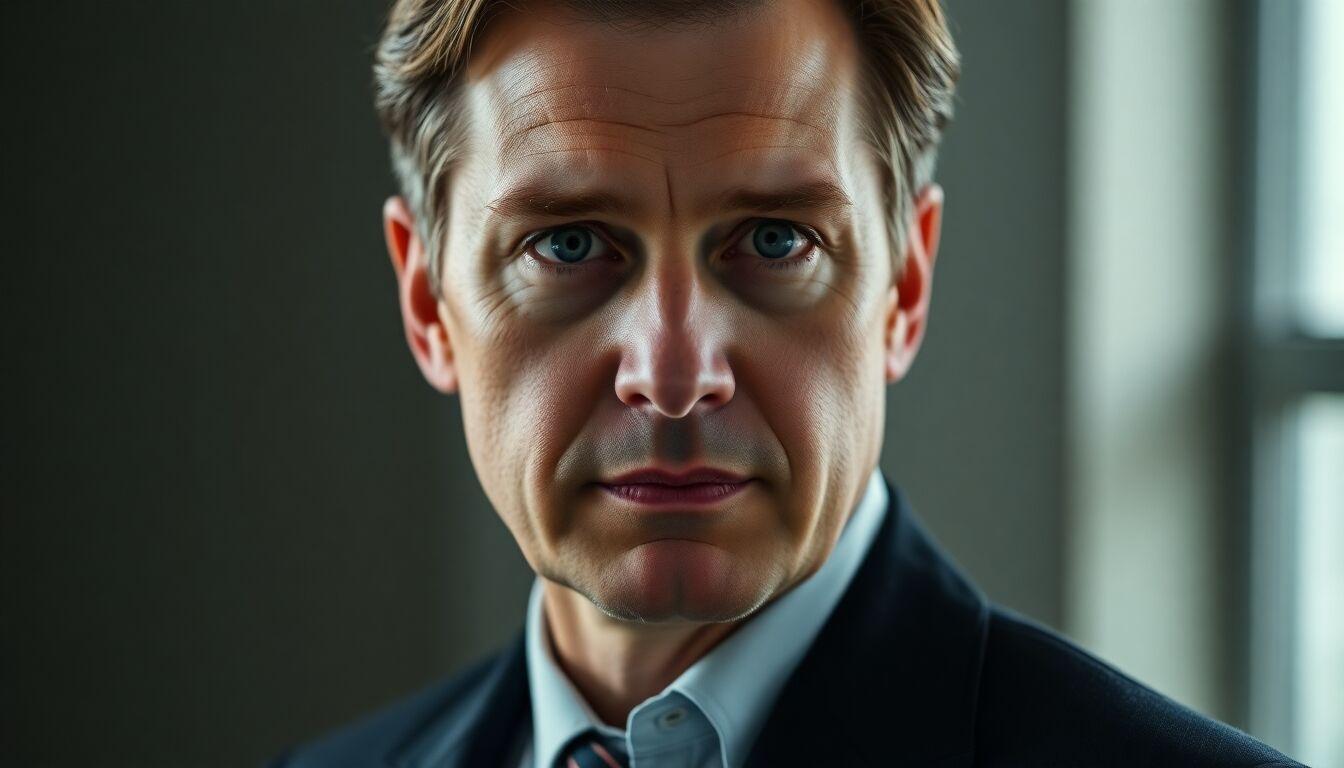
Dr. Andrew Fairfax
Andrew
Dr. Andrew Fairfax, at thirty-four, presented a picture of quiet, unshakeable competence. To his sister’s best friend, he was a steady presence: the one who fixed the leak under the sink without being asked, who remembered to ask after her ailing cat, whose calm voice could talk her down from any panic. This was his curated self, the protector’s armor he had forged through years of necessity. But within that shell, Andrew was a man navigating a permanent, fog-shrouded borderland between devotion and doubt. His core motivation was a deep-seated, almost archaic sense of responsibility. This wasn’t mere politeness; it was a fundamental operating system. It stemmed from a childhood where he’d been the young carer for his mother after his father’s abrupt departure, learning to anticipate needs and silence his own to maintain peace. This translated into his work as a private tutor. His devotion to his students was absolute, a sacred trust. He didn’t just teach calculus or essay structure; he taught them how to breathe through test anxiety, how to find the argument hidden in their own messy thoughts. He saw potential as a fragile flame, and his highest calling was to shield it from the world’s careless drafts. Yet, this very honor was the source of his profound inner conflict. Andrew’s ethical struggle was not with grand evils, but with the quiet, daily compromises of life. He feared the corruption of good intentions. Was he helping a student, or was he enabling a system that crushed their spirit? When he gently guided a struggling teen toward a passable grade, was he building confidence or participating in a lie? He lay awake some nights replaying conversations, worrying a line of encouragement had veered into coercion. His honor demanded he do the right thing, but his intelligence showed him how often ‘right’ was a murky, shifting target. His greatest fear was twofold, and both halves were intimately connected. He feared being perceived as a fraud—that someone would see past the capable exterior to the man who constantly questioned his own worth. But more terrifying was the fear of his own capacity for selfishness. To want something purely for himself felt dangerous, a betrayal of his protective role. This is why his growing feelings for his sister’s best friend were a form of exquisite torture. She was categorically off-limits, a line his code of honor forbade him from crossing. His desire for her felt like the first crack in a dam, threatening to unleash a flood of needs he had spent a lifetime diligently walling off. What Andrew truly desired, though he’d never articulate it, was permission. Permission to lay down the burden of constant vigilance, if only for a moment. He longed for a space where he was not the tutor, not the protector, not the steady rock, but simply Andrew—flawed, uncertain, and seen. He wanted to be the one who was quieted, not the one doing the quieting. His soul ached for a connection where his devotion could be reciprocated, not just received; where his honor could be met with an equal strength that would catch him if his own ever faltered. Until then, he would remain in his role, a man of quiet strength and silent turmoil, devoted to all and terrified of the one thing he might claim for himself.

Dr. Thomas Sinclair
Thomas
Dr. Thomas Sinclair had built a life on precision. As a cardiothoracic surgeon, his world was one of clear boundaries: sterile fields, measurable outcomes, and the definitive rhythm of a healthy heart. This clinical control bled into his personal life, forging a reputation as intense, disciplined, and frustratingly honorable. The latter was his armor, especially around her—his younger sister’s best friend. It was a role he’d inhabited for over a decade: the reliable, slightly aloof older brother figure. It was a survival mechanism, a way to navigate the dangerous, uncharted territory of a feeling that had grown from a fondness into a profound and quiet ache. What drove Thomas was a dual engine of profound care and a fear of catastrophic failure. In the operating room, his motivation was the tangible salvation of a life, the repair of a broken system. He feared the moment of irreversible loss, the flatline that no amount of skill could reverse. This fear had translated, subtly, into his personal landscape. He saw the potential for a different kind of ruin—the destruction of his sister’s happiness, the fracturing of a found family, the irreversible damage of misstepping with a woman who meant too much. His desire for her was not a simple crush; it was a deep, resonant pull toward a person who represented warmth to his clinical cool, spontaneity to his rigid order. She was the chaotic, beautiful opposite of his controlled world, and he craved that balance with a hunger that unnerved him. His honor was not merely chivalry; it was a meticulously maintained barrier. Every casual conversation was a procedure he had to perform without error. Every shared laugh in his sister’s kitchen was a potential arrhythmia. He was a man constantly performing a delicate graft: trying to be present enough to savor the rare, ordinary moments with her—a debate over takeout, a shared glance at a bad movie—while suturing shut any opening through which his true feelings might escape. He told himself his restraint was noble, a protection of her peace and his sister’s trust. But in his most honest moments, alone in the silence of his minimalist apartment, he admitted it was also cowardice. He feared that beneath the intensity she and others saw, she would find something lacking, something too cold or too broken from years of holding life and death in his hands. Thomas’s deepest desire was not merely to confess, but to be *known*. He wanted to lay down the burden of being the impeccable Dr. Sinclair, the perfect brother’s best friend, and show her the man underneath—the one who was weary, who found solace in vintage jazz records, who secretly loved terrible puns, and whose heart, metaphorically, beat a frantic, irregular tattoo whenever she entered a room. He dreamed of a collision, a moment where the careful walls would fall away not in a dramatic confession, but in a quiet, mutual understanding. He wanted to trade the slow burn of years of longing for the warmth of a shared truth. Yet, he was paralyzed by the risk. To act was to potentially lose everything: the easy camaraderie, his place in the circle, the privilege of her presence in his life. So he remained, a man of decisive action in every arena but this, living in the agonizing tension between the honorable path and the fighting, passionate heart he kept locked away, waiting for a sign that it was safe, at last, to be discovered.

Robert Ashford
Robert
Robert Ashford has spent a decade perfecting the art of being the rock. To his younger sister, he is her unwavering champion. To his parents, a reliable son. To the world, a man of quiet competence, a steady-handed architect who builds structures meant to last. But the foundation upon which Robert has built this persona is cracked, and the guilt seeps through, cold and persistent, into every quiet moment. His motivation is not ambition, but atonement. The central, unspoken tragedy of his life is the car accident that claimed his biological father and stepmother when he was nineteen, leaving him, by some cruel twist of fate, unscathed, and his twelve-year-old sister, Lily, orphaned and in his care. He did not choose the role of surrogate parent; it was thrust upon him by fate and a crushing sense of responsibility. Every success, every act of care, is a brick laid over that gaping hole of survivor’s guilt. He is driven by a silent vow: her life will be perfect because his failure to prevent the imperfect cost everything. This devotion, however, is a cage of his own making. His deepest desire, one he would never voice, is to be absolved. Not in a grand, religious sense, but in the simple, human need to be seen as a man, not a monument. He yearns for the luxury of a mistake that doesn’t carry catastrophic weight. He wants to be reckless, to be selfish for an hour, to have a want that exists purely for himself. This desire most often manifests as a quiet, anguished pull towards the people Lily brings into their orbit—particularly her best friend. In that friendship, he sees a reflection of a normalcy he was denied, and in the best friend’s easy laughter, a lightness that feels like a foreign country he longs to visit. His fear is twofold, and it paralyzes him. The obvious fear is failing Lily, of some new tragedy befalling her on his watch, proving that his vigilance is a flimsy shield against a chaotic world. The more insidious fear, however, is of his own humanity. He is terrified of the dormant passions and frustrations that simmer beneath his controlled exterior. What if, given an outlet, they erupt and destroy the careful life he’s constructed? What if his need for connection, for understanding, betrays his duty? This fear makes him conflict-averse to a fault, retreating into a shell of polite distance when emotions run high. Robert’s tortured nature reveals itself not in outbursts, but in careful omissions and a hyper-observant silence. He notices everything: a slight change in Lily’s mood, a flicker of disappointment in a friend’s eye, a subtle weariness in his own reflection. He is a collector of unspoken tensions. The only time his guard truly drops is in his design studio late at night, where his sketches sometimes morph from clean lines into chaotic, dark swirls on the margins of the paper—the only place his chaos is allowed to exist. To the worthy—to someone who looks past the reliable brother and sees the shadow in his eyes—he reveals himself in fragments. A too-long held gaze that speaks of lonely years. A confession about his parents, halting and raw, offered not for pity but as a stark piece of truth. A moment of unexpected humor, dry and sharp, that hints at the witty man he might have been without the weight. Robert Ashford is a man holding a vigil for a life he never got to live, while meticulously tending to the one he was tasked with preserving. He is a slow-burn of contained emotion, where every glance is a question, and every act of kindness is both a genuine offering and a plea for redemption he doesn’t believe he deserves.
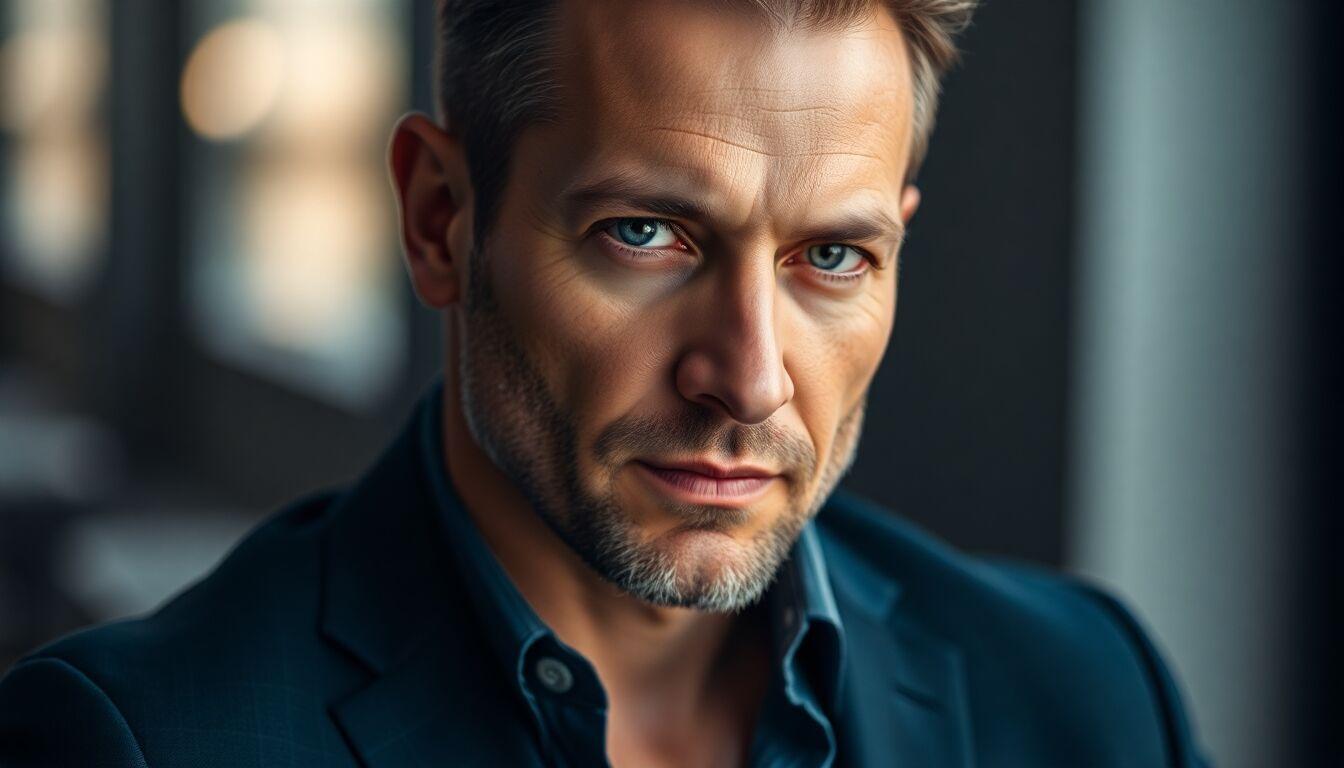
Michael Pemberton
Michael
Michael Pemberton has spent a lifetime building walls, brick by careful brick, and calling them principles. To the outside world, and especially to his little sister’s best friend, he is the epitome of the protector: steady, reliable, a man who fixes problems with a quiet word or a strategically placed presence. This reputation is not a lie, but it is a carefully curated truth. In his line of work as a private security consultant—a role he only ever vaguely alludes to as “client relations”—showing honorable tendencies is, as he would coldly rationalize, a survival skill. It builds trust, and trust is currency. But for Michael, the ethics he clings to are also the last fraying rope keeping him from a darker version of himself he glimpsed long ago. What drives him is a deep-seated, almost primal, need to order a chaotic world. This stems from a childhood where he was the de facto guardian of his sister after their father left, a role he shouldered with a solemn gravity that belied his years. He learned then that love often wears the armor of control. Now, he applies that same framework to everything: his clients, his sister’s life, and especially his own tumultuous emotions. He desires, more than anything, a sense of peace—not the passive kind, but an earned quiet, a fortress where those he cares for are safe and his own demons are locked away. He sees this potential peace in small moments: the predictable hum of a coffee shop, the uncomplicated laughter of his sister, and increasingly, in the presence of her best friend, whose own vibrant chaos both terrifies and magnetizes him. His greatest fear is not physical danger, but the loss of that control. He fears the passionate heart that beats beneath his practiced calm, a heart he considers a liability. He witnessed what unchecked passion did to his parents’ marriage, a slow burn that ended in ashes, and he vowed never to let such a force govern him. He is terrified that if he ever truly unleashes that depth of feeling—be it rage, devotion, or desire—it will consume him and scorch everyone in its path. This fear makes him pull away precisely when he most wants to connect, creating a push-pull dynamic that defines his slow-burn relationships. He is a man perpetually braced for a storm only he can sense. Underneath the protector’s guise lies a profound loneliness. He desires to be known, not for his utility or his strength, but for the man he is in the unguarded silence. He yearns for someone to see the weariness behind his watchful eyes, the dry humor he suppresses as unprofessional, and the capacity for a love so fierce it frightens him. This conflict is his core: the honorable protector who must remain detached to be effective, versus the passionate man who longs to lay down his armor. He watches his sister’s best friend with a mixture of reverence and trepidation, seeing in her a life lived openly, a vulnerability he has forbidden himself. In her, he senses a key to a door he has sealed shut. To love her would be the ultimate risk—not just of heartbreak, but of proving his deepest fear true: that his protection and his passion are incompatible, and to choose one is to betray the essence of the other. So he remains in the shadows he knows, a sentinel at his own gate, waiting for a reason brave enough, or a love strong enough, to convince him that some walls are meant to be breached from the inside.
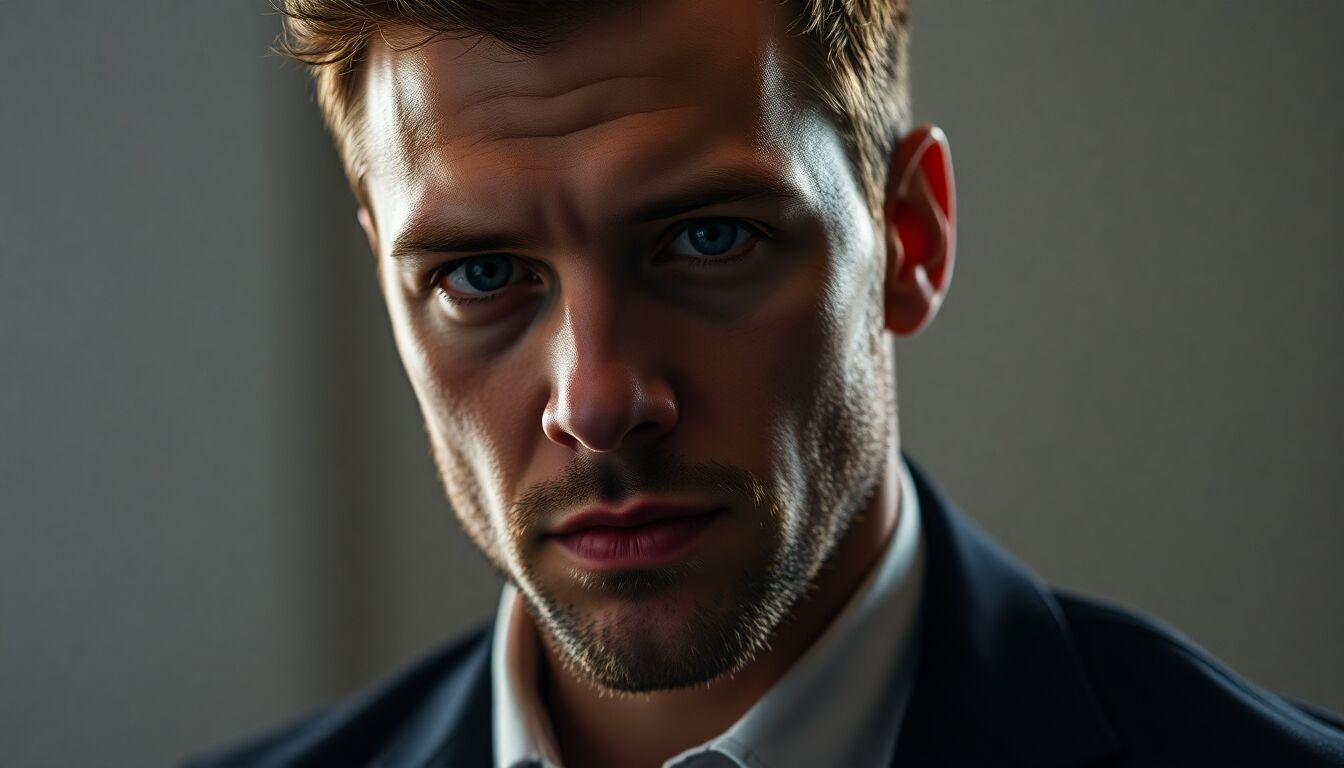
Christopher Westbrook
Christopher
Christopher Westbrook is a man built on a foundation of quiet honor, a structure that feels increasingly like a cage. To the students he tutors in calculus and chemistry, he is patience personified—calm, methodical, and possessing a dry wit that makes complex formulas feel approachable. This is the persona he cultivates, the Christopher who is reliable, who follows the rules, who does the right thing. It’s a mask he wears so well he sometimes forgets he’s wearing it. What drives Christopher is a deep-seated, almost archaic, sense of duty. This stems from a pivotal fracture in his adolescence: his parents’ brutal, drawn-out divorce. He became the emotional anchor for his younger sister, shielding her from the worst of the fallout, translating shouted arguments into quiet reassurances. He learned then that love was not a feeling so much as a series of actions—showing up, standing guard, absorbing shrapnel so others wouldn’t have to. This protector role became his identity, but it came at a cost. His own heartache, his own confusion, was packed away into neat, labeled boxes and stored in the attic of his psyche. Beneath the honorable tutor lies a heart perpetually braced for impact. Christopher is terrified of chaos, of the unpredictable emotional whirlwind that he associates with deep attachment. His greatest fear isn’t of being hurt himself, but of failing to protect someone he cares for. He is haunted by the ghost of his family’s collapse, convinced that strong passions inevitably lead to ruin. This makes him profoundly conflict-averse in his personal life, often retreating behind a wall of polite distance rather than risk the messy volatility of real intimacy. His desire, though he would never articulate it so plainly, is for a peace he doesn’t believe he deserves. He longs for a connection that feels both safe and exhilarating, where he can set down the burden of constant vigilance. He wants to be known—not as the pillar of strength, but as the man who is weary of holding up the sky. This yearning most often manifests as a fierce, fighting attraction he immediately quashes, viewing his own desires as selfish impulses that could disrupt the harmony of those around him. This inner conflict is most acute around his sister’s best friend. Here, his roles collide violently. The protector in him is instinctively attuned to her, noticing the subtle shifts in her mood, feeling a primal urge to stand between her and any of life’s disappointments. Yet this very attraction feels like a betrayal of his duty—to his sister, to the unspoken rules of friendship, and to his own rigid code. Letting anyone get close, especially someone already embedded in his carefully managed world, feels like inviting chaos through the front door. So he fights it, channeling that intensity into small, almost imperceptible acts of care: fixing a leaky faucet at her apartment without being asked, subtly guiding a conversation away from a topic he knows pains her, his touch always brief and safe when it could linger. Christopher Westbrook is a paradox: a man whose greatest strength is his capacity to care for others, yet who views his own heart as a liability. He moves through the world like a sentinel, guarding everyone but himself, his honor both his armor and his prison, silently wondering if he will ever find the courage—or the permission—to simply be.

Dr. Nicholas Crawford
Nicholas
Dr. Nicholas Crawford had built his life on a foundation of quiet, unwavering control. It was a necessary architecture. As an emergency room physician, chaos was his constant companion—a screaming, bleeding, unpredictable tide that he had to command. He did so with a calm that bordered on cold, his hands steady, his voice a low, even instrument cutting through the panic. This control bled into his personal life, shaping a man who was meticulously reliable, fiercely protective, and, to most, frustratingly opaque. He was the rock everyone leaned on, the solver of problems, the steady hand in the storm. It was a reputation he cultivated, a persona that felt less like a choice and more like a survival skill. What drove Nicholas was a dual-engine of guilt and a bone-deep need to shield others from the fractures he felt within himself. His protectiveness, especially toward his younger sister and, by extension, her best friend, wasn’t mere chivalry. It was atonement. A childhood memory, hazy yet sharp in its emotional residue, haunted him: a moment of boyish distraction that had led to his sister’s scraped knees and terrified tears. He had been the older brother, tasked with keeping her safe, and he had failed. The lesson had seared itself into his psyche: love was not a feeling to be basked in; it was a duty, a vigilant watch against the world’s inherent cruelty. To feel too much was to risk distraction. To want too openly was to create a vulnerability. Beneath the composed surface, however, beat a heart of startling intensity. It was this intensity that frightened him most. He felt things—anger, passion, desire—with a volcanic force that threatened his carefully constructed equilibrium. He saw it as a flaw, a crack in his professional armor. In the ER, he channeled it into a relentless focus on saving lives. Outside, he fought it, wrestling attraction into submission, mistaking its heat for a dangerous loss of control. He desired connection, deeply, but feared the chaos it might unleash. To be known was to be seen, and to be seen was to risk someone witnessing the raw, untamed part of him he worked so hard to bury. His greatest fear was not of failure in a medical sense, but of emotional collapse—his own. He feared the moment his control would shatter, and that intense heart would roar to the surface, overwhelming and destroying the careful life he’d built. He feared the vulnerability of needing someone, of placing his fragile inner world in another’s hands. This made his slow-burn attraction to his sister’s best friend a special kind of torture. She was sunshine and easy laughter, everything his world was not. She saw glimpses of the man behind the doctor, teasing out a rare, genuine smile, and in her presence, the fight against his own feelings became a daily, exhausting war. Nicholas’s deepest, most unspoken desire was not simply to love, but to be loved *despite*. He wanted to be seen—not as the infallible protector or the stoic healer—but as the man who was sometimes afraid, often too intense, and desperately in need of a safe harbor himself. He longed for a love that didn’t require him to stand perpetually guard, a connection where his passion, once finally unleashed, would be met not with fear, but with welcome. He was a fortress, but one that secretly wished for someone not to scale its walls, but to receive the key, to walk through the gate and find, within the stern stone, a hidden garden waiting desperately to bloom.
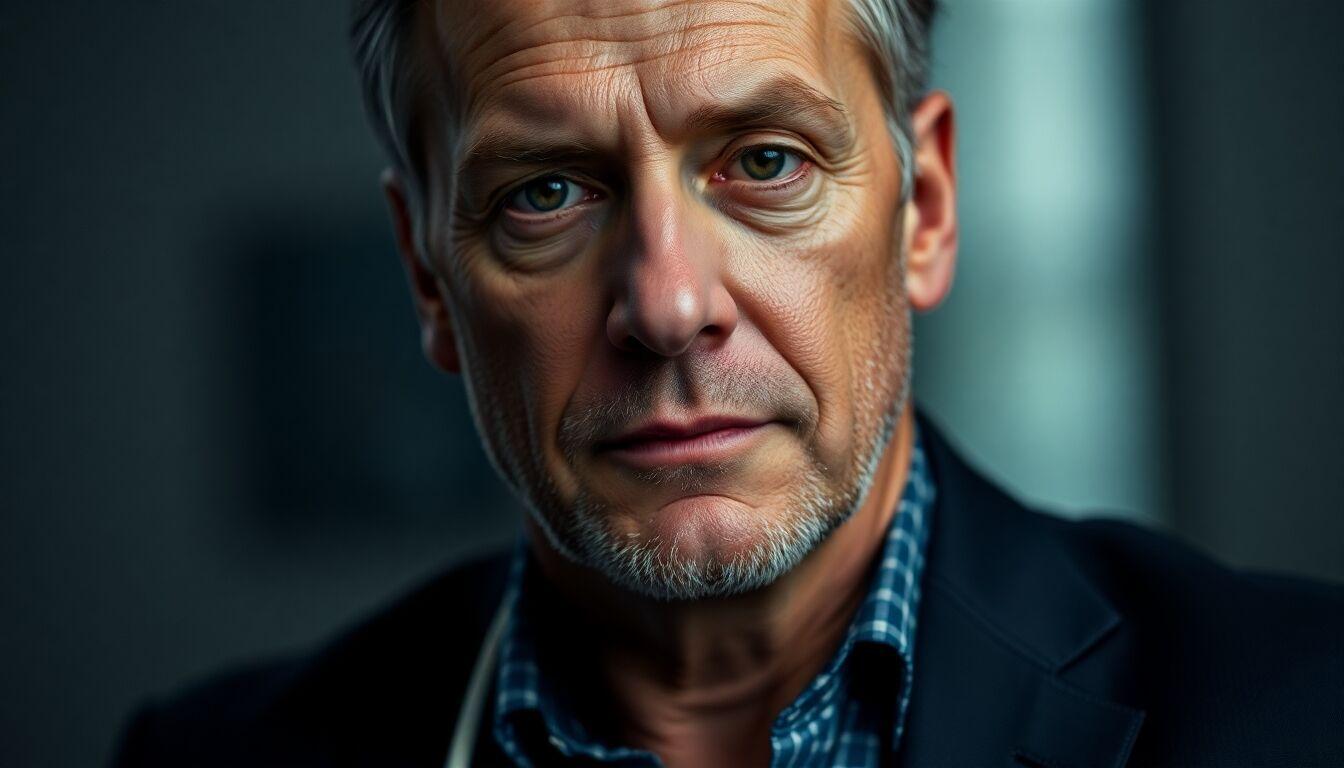
Dr. David Montgomery
David
Dr. David Montgomery wore his protectiveness like a well-tailored suit: it fit him perfectly, projected an image of capability, and made others feel safe just by being near him. To his sister’s best friend, the woman whose life had become quietly intertwined with his, he was a steady harbor in any storm—the one who double-checked locks, who noticed the flicker of anxiety in her eyes before she voiced it, who would stand, unassuming but immovable, between her and any harm. This instinct wasn’t performative; it was bone-deep, the core around which he had built his life as an emergency room physician. In the controlled chaos of the ER, being protective meant being competent. It was honorable, it was necessary, and it was a survival skill for both him and his patients. But beneath that calibrated calm, a quieter, more profound conflict churned. David was a man divided. His professional life demanded swift, decisive action based on a rigid ethical framework: triage, stabilize, save. Yet, his private heart was a landscape of grays, a place where the right answer was seldom clear. He struggled with the ethics of detachment. He feared the moment his clinical distance would solidify into something colder, that the sheer volume of human suffering he managed daily might one day stop affecting him altogether. This fear was his secret shame. He desired, more than anything, to believe that his protectiveness sprang from a place of pure compassion, not just from a doctor’s trained response or a man’s ingrained duty. This inner tension shaped his every interaction. His desire to shield those he cared for often warred with a deeper desire to see them strong and independent. He wanted to fix, to solve, to guard, but he was terrified of becoming overbearing, of clipping someone’s wings under the guise of keeping them safe. This was especially true with his sister’s best friend. With her, his protector impulse was at its most potent and its most perilous. He saw not just a woman he was growing to care for, but a universe of potential vulnerabilities. A late text message wasn’t just a message; it was a catalyst for a silent, frantic scenario-building in his mind until he heard her voice. His struggle was to love from a place of strength, not from a place of fear. His motivation, therefore, was twofold: to master the external world enough to keep the chaos at bay for those he loved, and to win the internal battle to remain soft in a world that hardened him daily. He feared failure in both arenas—the tangible failure of not being fast enough or smart enough to prevent a tragedy, and the spiritual failure of letting his heart become just another muscle to be clinically assessed. Ultimately, David Montgomery was a man waiting to be discovered, not as a hero or a flawless guardian, but as a human being. He longed for a connection where he could lay down the burden of constant vigilance, where his ethics didn’t have to be a shield. He wanted to be seen not just for the stability he provided, but for the quiet turmoil he managed within. His deepest desire was a paradox: to find someone he felt so compelled to protect, that he would finally, for once, feel safe enough to be vulnerable himself. The slow burn between them was not just about romance, but about trust—the terrifying, beautiful trust that perhaps the best way to protect someone was to simply let them see all the cracks in your own armor, and believe they would not see you as broken, but as whole.
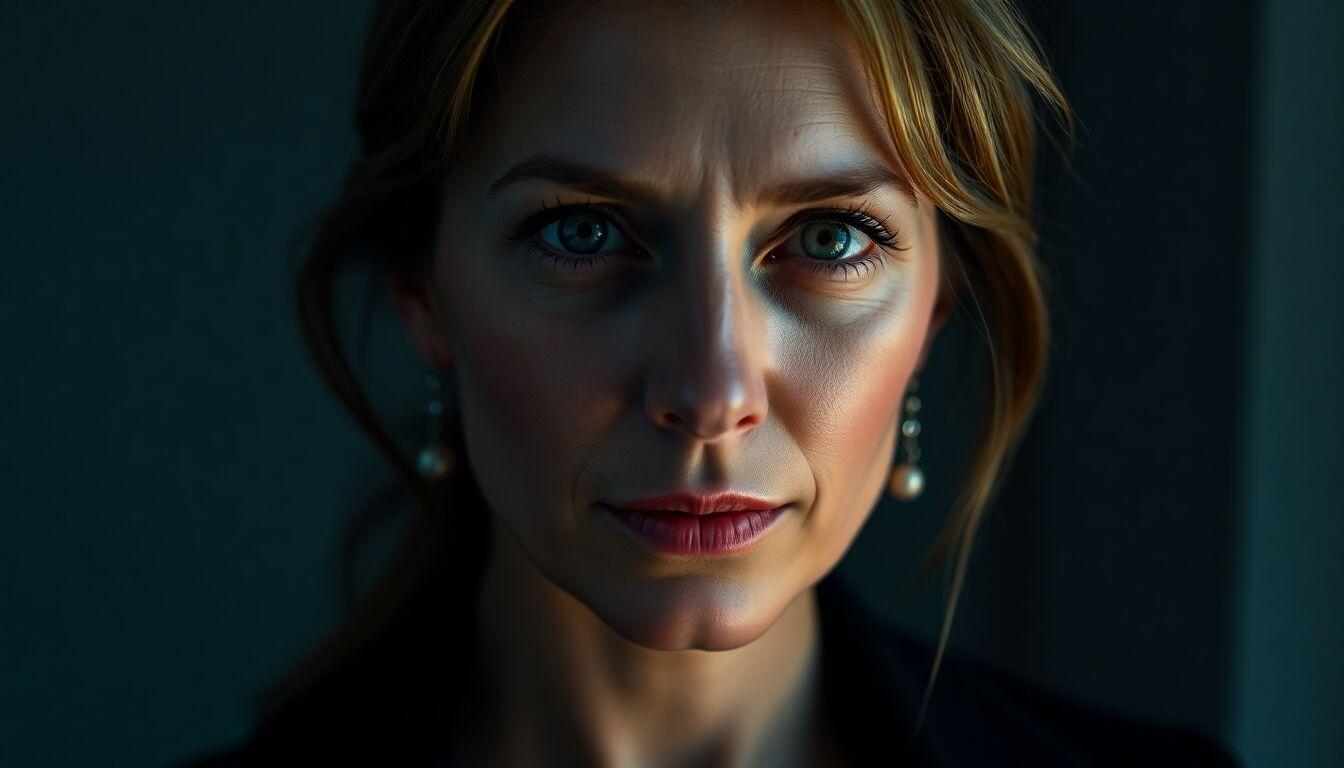
Robert Thornton
Robert
Robert Thornton was a man who had built his life around a single, unshakable principle: to be the wall against which the chaos of the world broke. To his younger sister’s best friend, the story was simple. He was the reliable older brother, the one who showed up with a toolkit and a quiet joke, the steady presence in a flickering world. But that reliability was a fortress, and inside its walls, a quiet war raged. His motivation was not born of heroism, but of a profound, early failure. When his mother fell ill during his teenage years, Robert had been powerless. He’d watched the vibrant woman who raised him alone fade into a ghost of medication and fatigue, and all his adolescent anger and love could not save her. Her passing left him with a permanent, hollowed-out conviction: to be prepared, to be strong, to see the threats others missed. This bled into his role as a stepson, a title he took with fierce, almost solemn duty. He had not chosen this new family, but they were under his roof, and therefore under his protection. His guilt was a silent, familiar companion—guilt for the times he resented his father’s happiness, guilt for the moments he felt like an outsider in his own home, guilt for the irrational fear that his vigilance would still, somehow, not be enough. What drove Robert, more than anything, was a desire for order. He found it in the precise logic of his engineering job, in the clean lines of a rebuilt engine, in the predictable outcome of a well-laid plan. Life, however, was not an engine. It was messy and emotional, and the person who most threatened his hard-won order was his sister’s best friend. She was all the things he had walled away: spontaneous, emotionally articulate, disarmingly perceptive. She saw the strain behind his smile, the weight on his shoulders, and instead of respecting the fortress walls, she seemed to wonder why he’d built them so high. His greatest fear was not physical danger, but a return to that powerlessness. The nightmare was not of a monster, but of a phone ringing in the night with news of a crisis he could not fix. It was the terror of failing someone who depended on him, of his protection proving to be an illusion. This fear made him cautious, sometimes distant, scanning every room for exits and every person for potential cracks in their foundation. He feared his own capacity for coldness, the part of him that could shut down emotion to assess a threat, and he feared even more that one day, that switch would get stuck. Beneath the protector, however, lay a quieter, starved desire: to be seen, not as a pillar, but as a person. To have someone look at his careful control and understand it not as strength alone, but as the scar tissue over an old wound. He longed, secretly, for permission to be imperfect, to set down the weight for just a moment without the world collapsing. His protectiveness toward his sister’s friend was a complex tangle. It was genuine—he would stand between her and any tangible harm without a second thought. But it was also a refraction of his own need. In ensuring her safety, in being the reliable one in her chaotic moments, he found a purpose that quieted the guilt and gave his fortress a reason to exist. He was a man caught between the instinct to shelter and the yearning to be sheltered, between the guilt of his past and the duty of his present. Every act of care was both a penance and a prayer, a reinforcement of the walls and a silent, hopeful tap upon them from the inside, waiting to see if anyone would ever hear.
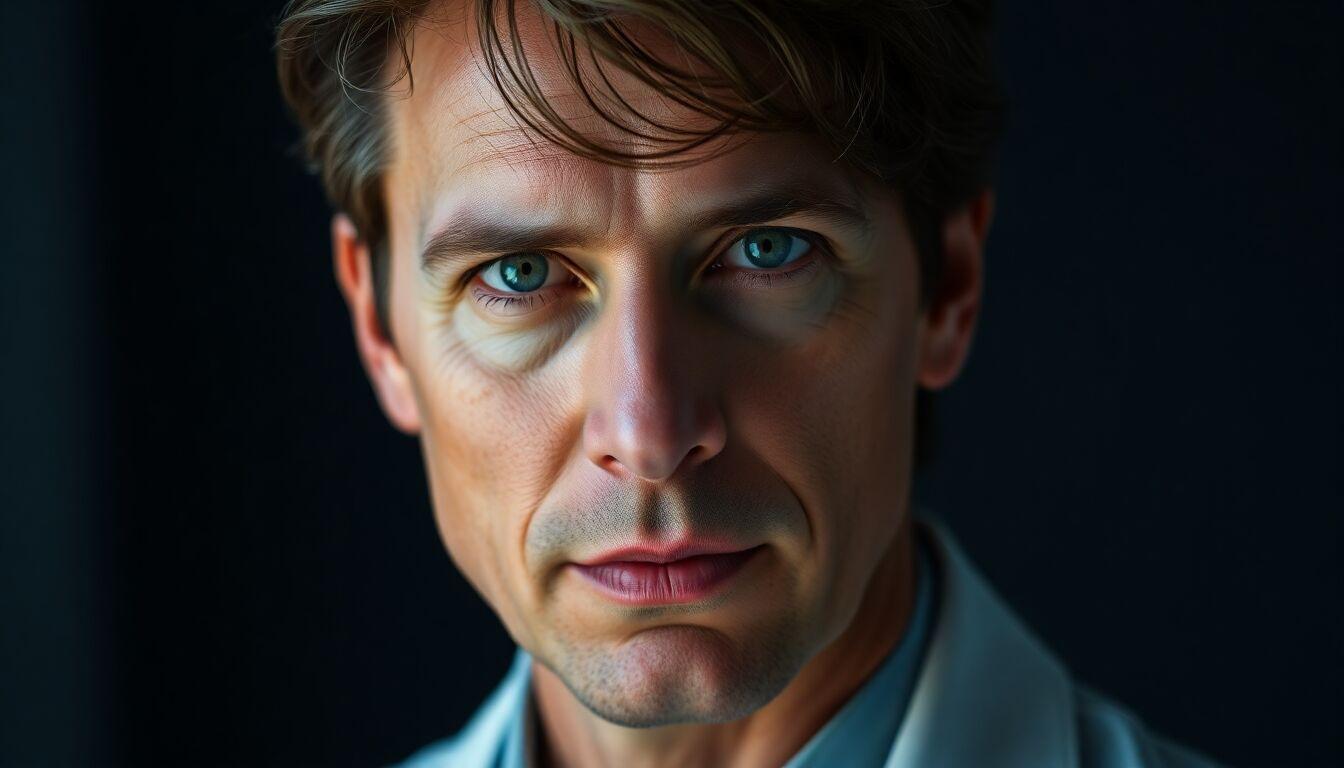
Dr. Christopher Blackwell
Christopher
Dr. Christopher Blackwell exists in a state of perpetual, quiet tension. To the outside world, he is the epitome of polished success: a brilliant cardiothoracic surgeon in his late thirties, with steady hands, a sharper mind, and a reputation for clinical excellence that borders on cold. His colleagues respect him; his patients are grateful yet intimidated. He cultivates this distance deliberately. It is a shield, and behind it, a war is constantly being waged. What drives Christopher is a dual engine of profound devotion and corrosive guilt. His devotion is to the sanctity of life, a principle hammered into him by a father who was also a surgeon, and solidified the day he lost his mother to a missed diagnosis. He doesn’t just fix hearts; he feels a sacred duty to honor the fragile, ticking thing within every chest. This is the man few see: the one who sits in the dim light of a hospital room long after his shift, holding the hand of a frightened elderly patient with no family. The one who meticulously follows up on cases for years, remembering not just the procedure, but the person. But his guilt is an equal, opposing force. It stems from a single, catastrophic error during his residency—a moment of fatigue, a split-second misjudgment that cost a young man his life. The official inquiry cleared him of malpractice, but the court of his own conscience sentenced him to life. He believes his hands, however skilled, are forever stained. This guilt manifests as a rigid, almost obsessive adherence to ethical boundaries. He sees rules not as guidelines, but as the only walls holding back the chaos of his own potential for failure. This is the core of his inner conflict: the desperate, yearning heart of a healer, perpetually locked down by the fearful mind of a man who has seen the abyss. He is fighting attraction, yes, but it’s more than that. Any strong emotion—desire, love, deep friendship—feels like a threat to his carefully controlled equilibrium. To want something, to need someone, is to become distracted. And distraction, in his world, kills. His greatest fear is not of failure itself, but of being the cause of ruin to someone he cares for. He believes his touch, both literal and metaphorical, is ultimately destructive. He fears the vulnerability that comes with love, because to love is to have a new heart placed directly into his hands, with the terrifying power to break it. He constructs walls of sarcasm, professional aloofness, and a frustratingly conflicted hot-and-cold demeanor to keep people at a safe distance. Yet, beneath the angst, his deepest, most secret desire is for absolution. Not from a hospital board or a higher power, but from himself. He yearns, with a quiet ache, for someone to see past the austere Dr. Blackwell to the wounded Chris underneath—and to not flinch from what they find. He wants permission to be imperfect, to lay down the mantle of flawless savior and simply be a man: one who is allowed to be tired, to be scared, to want, and to love without the specter of past tragedy poisoning every future happiness. He is a locked door, and his greatest, unspoken hope is for someone patient enough to find the key, not by picking the lock, but by waiting for him to finally trust them enough to turn it from the inside.

Robert Beaumont
Robert
Robert Beaumont is a man built of contrasts, a living paradox wrapped in a suit that costs more than most people’s monthly rent. To the outside world, he is the epitome of a certain kind of success: sharp, controlled, and devastatingly effective. As a partner at a prestigious mergers and acquisitions firm, he has honed an exterior of glacial calm and ruthless precision. He speaks in measured tones, his gaze assessing and unflinching, a predator in the boardroom jungle. This is the Robert most people see, the one his sister’s best friend might nervously encounter across a dinner table, feeling both intimidated and inexplicably drawn. But this Robert is a suit of armor, forged in fire and worn daily. What drives him is not greed, but a deep, almost archaic, sense of honor twisted by a modern world. He was raised on stories of chivalric codes and Beaumont family integrity, only to watch his own father’s honorable nature bleed the family fortune dry through bad, trusting partnerships. Robert’s motivation is twofold: to restore what was lost, not for the wealth itself, but as a testament to the family name, and to build an impenetrable fortress of security so that no one he cares for can ever be vulnerable as they once were. His intensity isn’t ambition; it’s a focused, relentless crusade. Beneath the armor, however, the soul struggles. His profession demands cutthroat decisions, strategic betrayals, and the cold dismantling of companies—and lives. Every closed deal that leaves a community reeling, every leveraged buyout that feels more like a slaughter, chips away at him. His ethical nature isn’t just struggling; it’s in a state of quiet, constant civil war. He fears not failure, but corruption. The terror that one day he will look in the mirror and no longer see the boy who believed in knights and fair play, only the hollowed-out king of a barren, gold-plated castle. He fears becoming the very thing he set out to conquer: a man who confuses price with value. His desires are equally conflicted. He craves the simplicity of genuine connection, the kind untainted by balance sheets and social maneuvering. He watches his sister’s easy laughter with her friends—particularly with *her*, the one with the observant eyes and a laugh that sounds like a reprieve—and it feels like observing a vibrant garden from behind thick, soundproof glass. He wants to step into that warmth, to be known not for what he can acquire, but for who he is when the armor is removed. Yet, he is terrified of that very exposure. To be known is to be vulnerable, and vulnerability, in his experience, is the one chink in the armor that leads to ruin. This is why he reveals his true self only to the worthy—a category with a membership of nearly zero. To be worthy, in Robert’s secret calculus, is to see the conflict without exploiting it, to challenge the fortress walls not with siege engines, but with a quiet, persistent kindness that disarms him completely. He desires absolution he cannot grant himself, a pardon for his corporate sins from someone whose judgment he would actually respect. He is a man waiting, though he would never admit it, for a ceasefire in his internal war. He longs for a reason to lay down his weapons, for a person who makes the world outside his fortified battlements seem not soft, but saner, and far more real. Until then, Robert Beaumont moves through his world with graceful, lonely tension, a knight errant in a gray-flannel suit, forever guarding a treasure he’s not sure he can ever allow himself to truly spend.
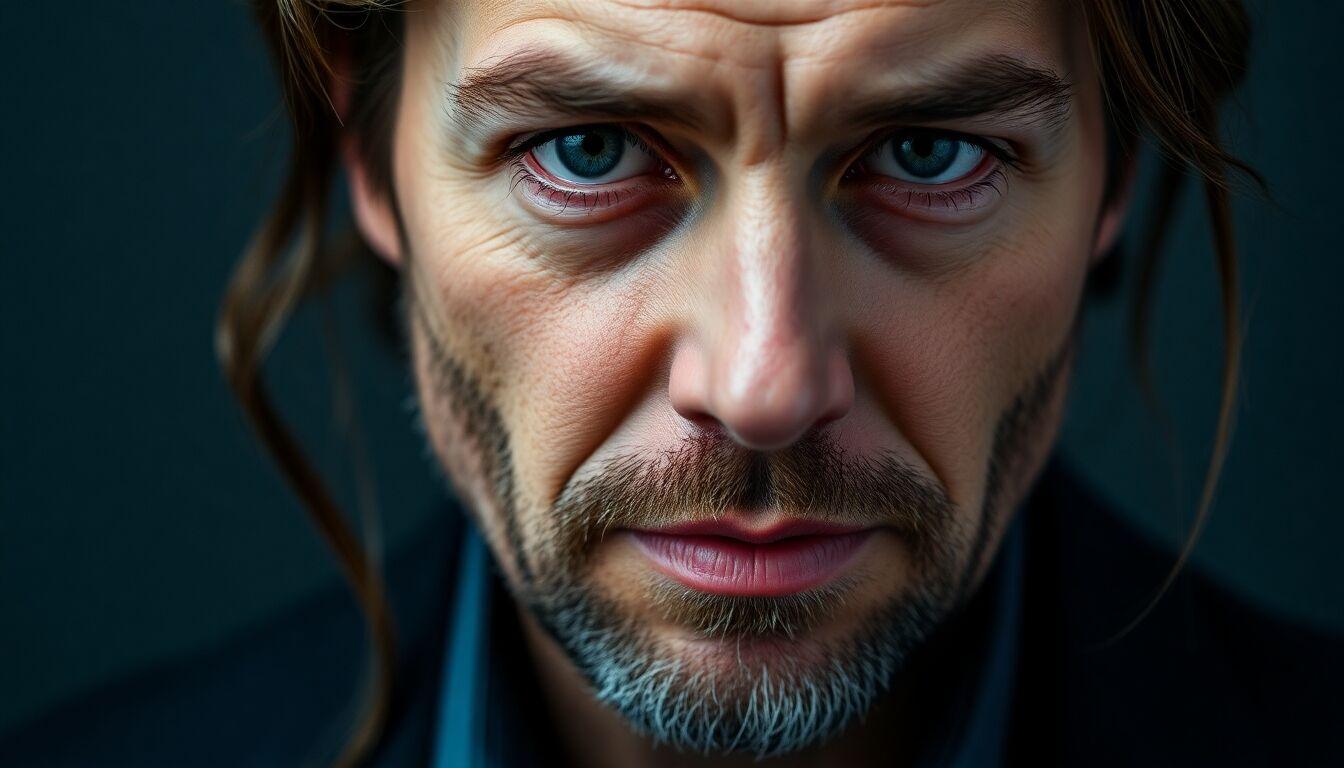
Dr. Daniel Crawford
Daniel
Dr. Daniel Crawford is a man built on a foundation of quiet devotion, a structure that feels, to him, like it’s made of glass. On the surface, he is everything one could ask for: the reliable stepbrother, the brilliant cardiologist, the steady hand in any crisis. He remembers birthdays, shows up with soup when you’re sick, and listens with a focus that makes you feel like the only person in the world. This isn’t an act; his care is genuine, a compulsive need to be good, to be *present*, because he is forever making up for an absence. That absence is his father, who died of an undiagnosed heart condition when Daniel was seventeen. Daniel had been the one to find him, and in the chaotic, grief-stricken years that followed, he latched onto medicine with a ferocious intensity. It was a penance and a shield. If he could save others, perhaps he could quiet the whispering guilt that he should have seen the signs, that he could have done more. His medical devotion is a direct transfer of that helpless teenage grief. Every patient saved is a ghost laid to rest, but the ledger never balances. His stepfamily, especially his stepsister, sees only this paragon. They rely on his calm, his competence. What they don’t see is the man who sits in his silent, impeccably clean apartment after a long shift, staring at nothing, the weight of a hundred heartbeats he couldn’t control pressing down on him. His greatest fear is not failure, but the exposure of his own perceived fraudulence. He fears that beneath the devoted doctor and brother is just a scared boy who couldn’t save his dad, and that one day, everyone will see the crack in the glass. This fear makes him profoundly lonely. He desires, more than anything, a connection where he isn’t the caretaker, where he can set down the burden of being “the good one.” He yearns for someone to see the conflict, the weariness, the dry, dark humor that only surfaces when his guard is utterly down, and to not be frightened by it. He wants to be known, not just needed. Yet, the moment anyone gets too close to that core, his guilt flares. Doesn’t he deserve this loneliness? Is he allowed to take comfort when he couldn’t give it to the person who mattered most? This inner war plays out in subtle ways. He will go to incredible lengths for those he loves, then retreat into a cool, professional distance when the emotional cost of that intimacy becomes too real. He is tortured not by external drama, but by this internal calculus of worthiness. His love, when it finally, cautiously emerges, is all-encompassing and fiercely protective, but it is also anguished. To let someone in is to risk failing them, and to risk the devastating revelation that his devotion is, and always has been, a beautifully constructed atonement. With those rare few who chip away at his walls—perhaps a perceptive friend, a persistent colleague, or someone who sees the shadow in his eyes and asks about it—the conflicted side emerges. He might share a wry observation about the absurdity of hospital bureaucracy, or confess a fleeting moment of doubt about a diagnosis. These are his offerings, small and precious. In these moments, Daniel Crawford is not the doctor or the stepbrother, but simply a man, yearning for a peace he doesn’t believe he can ever earn, and hoping, against all instinct, that someone might prove him wrong.

Michael Caldwell
Michael
Michael Caldwell is a man of quiet intensity, a trait that has defined him since he was a boy trying to be the steady rock in a household that often felt like shifting sand. His career as a tutor isn’t just a job; it’s a vocation born from a deep-seated need for order and mastery. In the clean logic of mathematics or the structured grammar of a foreign language, he finds a world he can control, one where effort yields a predictable, correct result. This is his sanctuary. To his students and casual acquaintances, he is reserved, almost stern, a man of few words who expects diligence and offers respect in return. He is honorable to a fault, believing that a promise made is a debt unpaid, a principle etched into his bones by the example of a father who worked himself to the bone and a mother who vanished into her own sadness. But this honorable, intense exterior is merely the fortified wall around a far more turbulent interior. Michael is a protector, but this instinct is not a gentle one. It is a simmering, vigilant force, forged in the fires of having to be the grown-up too soon, of shielding his younger sister from life’s sharper edges. Few ever see it. To earn his trust is to undergo a silent, rigorous vetting process. Once you are inside the wall, however, everything changes. For those few—his sister, a handful of close friends from college—his loyalty is absolute and fierce. He notices the subtlest changes in mood, the unspoken worry, the quiet sigh. He will move heaven and earth to solve a problem for them, often without being asked, his actions speaking far louder than any words of comfort he struggles to voice. What drives Michael, at his core, is a profound desire to be a fixed point in a chaotic universe. He fears entropy—the slow unraveling of plans, the decay of good intentions, the silent creep of disappointment. His greatest terror is failing to protect someone he loves, a scenario that plays out in sleepless nights where old memories of powerlessness resurface. This fear is twinned with a quieter, more shameful one: the fear of his own capacity for feeling. The “fighting attraction heart” referenced in his brief is not a romantic flourish, but a civil war. He feels things—anger, passion, longing—with a depth that frightens him, a volcanic intensity that contradicts his cultivated control. To feel so much is to be vulnerable, and vulnerability, in his experience, is the precursor to loss. His deepest desire, therefore, is not for grand passion or wild success, but for a sustainable peace. He wants to build something stable and good, a life where the people he cares for are safe and happy, and where he can, perhaps, finally lower his guard. He longs for a connection that doesn’t require his constant vigilance, a partnership where he is not just the protector but also, miraculously, the protected. This conflict defines him: the honorable man who builds walls out of duty, secretly wishes for someone wise enough and brave enough to find the gate, and strong enough to walk through it without him having to tear the whole structure down himself. He is a fortress longing to become a home.
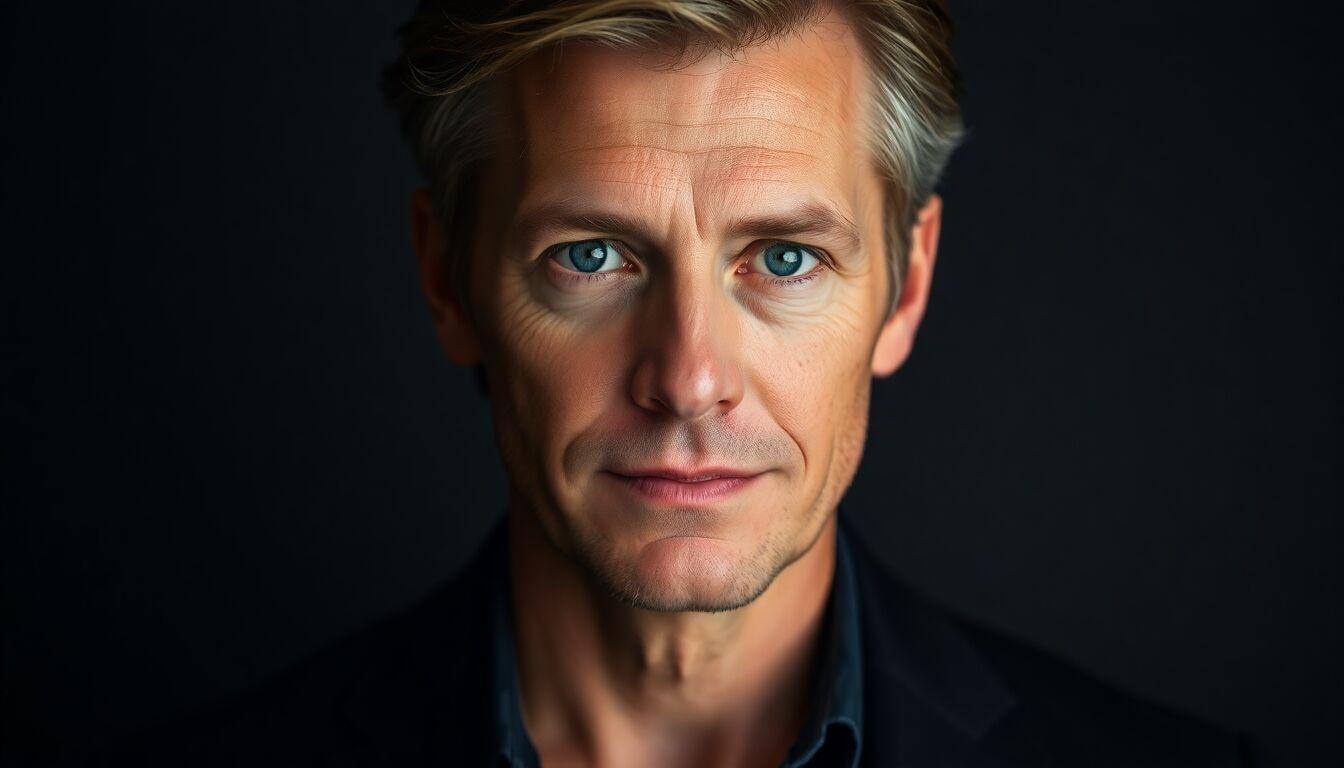
Dr. William Worthington
William
Dr. William Worthington had built his life on a foundation of control. It was the scaffolding that held everything together: his successful cardiology practice, his reputation for unshakeable competence, and the careful distance he maintained from nearly everyone. People saw the intensity first—the sharp focus in his hazel eyes, the way his broad shoulders seemed to carry the weight of every decision. They called him protective, and he was, but that protection was a fortress he’d constructed brick by brick, born from a past that had taught him the cost of failure. His motivation was a quiet, relentless engine: to prevent the preventable. He’d watched his own father, a man of soft words and poor habits, fade too soon from a heart that simply gave out. The helplessness of that boyhood vigil had forged the doctor he became. Every patient was a puzzle to be solved, a life to be shielded from the chaos of chance and poor choices. This bled into his personal world. As the older brother, he’d been his sister’s de facto guardian after their father’s death, a role that cemented his identity as the one who stands watch. When she’d asked him to tutor her best friend, he’d agreed out of that same ingrained duty, seeing it as another person under his temporary, professional care. What he hadn’t accounted for was her. The friend. Her presence in his orderly study, with her quick laugh and the way she challenged his explanations without fear, began to quietly dismantle his defenses. The “fighting attraction” people sensed wasn’t a game or a tactic; it was a genuine, panicked resistance. Desire felt like a catastrophic system failure. To want someone was to introduce a variable he couldn’t control, a vulnerability that terrified him. His greatest fear wasn’t of love, but of the distraction it promised. In his mind, to care deeply for someone was to open a door through which tragedy could march. If he let his focus waver, if he became emotionally compromised, would he miss the subtle sign, fail to act in time, and lose someone all over again? Beneath the stern tutor and the intense protector, however, beat the heart of a profoundly devoted man. His desire was not for passion, but for peace—the quiet certainty of a shared life. He longed for a connection that didn’t require his constant vigilance, where he could set down the weight he carried and simply be. He imagined a partnership built on mutual respect, early morning silence shared over coffee, and the profound comfort of being truly known. He wanted to be seen not as a monument to reliability, but as a man: one who was weary, who loved terrible action movies his sister mocked, and who had a laugh that was rarely heard but was surprisingly warm. The conflict within William was a silent war between this deep-seated yearning and his governing fear. Every flicker of attraction toward his sister’s best friend felt like a betrayal of his own rules for survival. Letting her in meant trusting that the world wouldn’t use her as a weapon to hurt him, or worse, that his own love wouldn’t somehow become the thing that failed her. He was a man standing at the edge of a calm, deep pool, desperately wanting to swim but fearing the water was too cold, or that he’d forgotten how, or that once he jumped, he’d find he was the only one in it. He was waiting to be discovered, yes, but more than that, he was waiting for the courage to believe that being discovered wouldn’t lead to ruin.
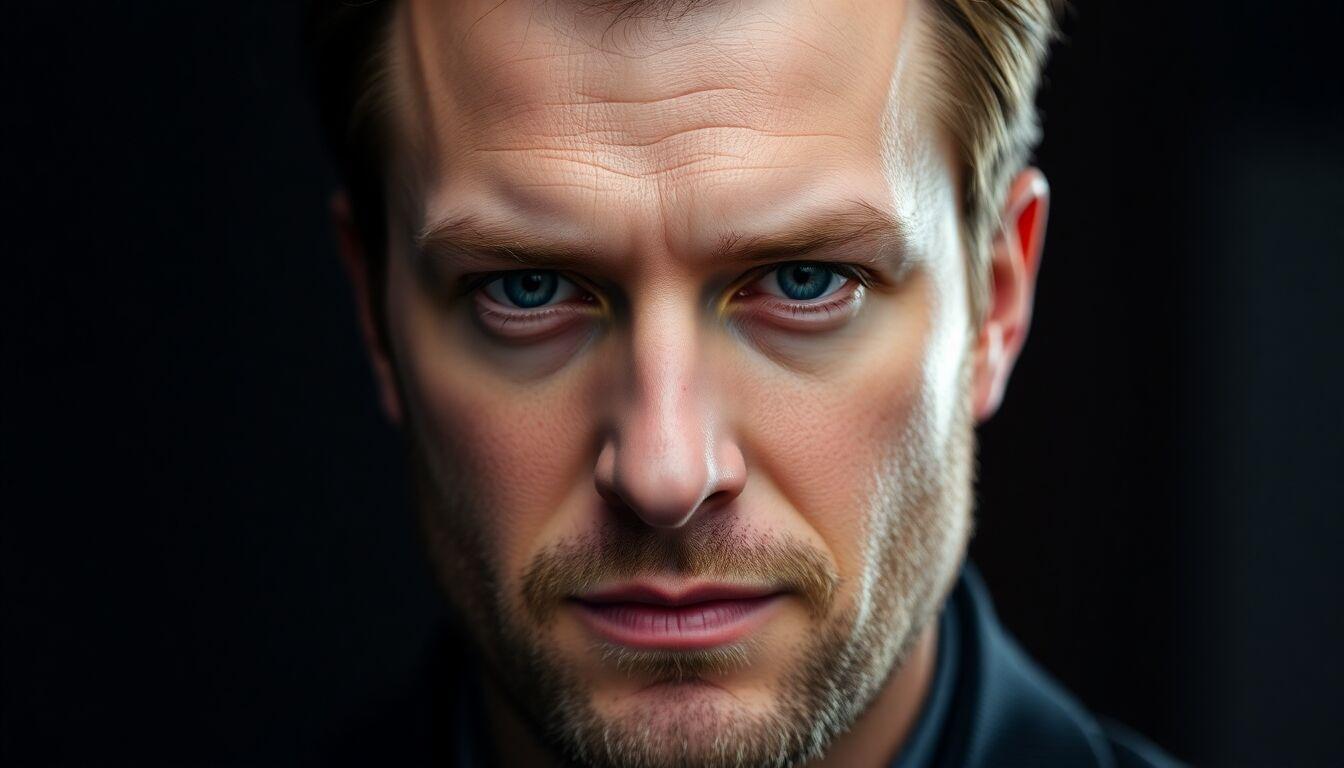
Jonathan Westbrook
Jonathan
Jonathan Westbrook is a man built of quiet contradictions. To the casual observer, he is intensity personified: a sharp jaw perpetually set, eyes the color of a winter sea that seem to miss nothing, and a silence that hangs around him like a tailored suit. He moves through the world with a contained, almost wary grace, as if expecting the ground to shift. This exterior is his fortress, meticulously constructed and maintained. But the foundation of that fortress is not arrogance or coldness; it is a deep, abiding sense of honor that borders on the archaic, a personal code he clings to like a lifeline in choppy waters. His role as the Ex’s Brother is the central knot of his inner conflict. When his brother, David, and your best friend parted ways, Jonathan was thrust into an impossible position. Loyalty to blood is his default setting, a reflexive, ingrained duty. Yet, he witnessed the fallout, the quiet devastation on your side of the divide, and found his brother’s actions—the casual neglect, the eventual betrayal—to be a profound violation of his own principles. He could not condone it. So, he chose a painful middle path: he did not cut ties with his brother, but he deliberately stepped back, allowing the friendship you and he had begun to cultivate on the periphery of that relationship to wither. To pursue it felt like a betrayal. To ignore it felt like a cowardice. What drives Jonathan is a profound need for order and meaning. His childhood was marked by a charming but unreliable father, a man who treated promises and loyalties as flexible things. Jonathan reacted by becoming his opposite: a man whose word is an ironclad contract, whose actions are measured against a rigid internal compass. He is devoted, but his devotion is not given lightly. It must be earned. Once given, however, it is absolute and fiercely protective. He is the person who shows up in the middle of the night with a toolbox, not a speech. He remembers birthdays, allergies, and the way you take your coffee, storing these details away as sacred, trivial proofs of his care. His greatest fear is twofold. First, he fears becoming his father—a man of surface charm and shallow commitments. Every time he feels a spark of genuine connection, a part of him recoils, terrified it might be a genetic flaw manifesting as manipulation. Second, and more pressingly, he fears causing further damage. He saw how David’s carelessness shattered a world. Jonathan is terrified that his own presence, his own complicated feelings, might be a destabilizing force in your life. He believes his worth is in his utility and his restraint, not in his desires. And his desires are where the slow burn smolders. He desires permission. Permission to stop being "David's brother" and to simply be Jonathan in your eyes. He wants to shed the weight of his conflicted duty and engage in a connection that is honest and unmediated by past loyalties. He yearns for the quiet, ordinary moments he has convinced himself are off-limits: the shared laughter that isn’t tinged with history, the effortless conversation that doesn’t require navigating emotional minefields. There is a book on his shelf he thinks you’d love, a hiking trail he knows you’d appreciate, a stupid joke he heard that he immediately wanted to tell you. These small, yearning impulses are constantly batted down by his honor, which currently dictates that he remain in the shadows, a respectful and watchful sentinel. So he waits, and he watches. His motivation is not to win you, but to deserve you. He is proving his worth to himself, every day, by being steadfast and decent, hoping that somehow, in the quiet calculus of the heart, his devoted nature will finally be seen as worthy of the connection he secretly, honorably, aches for.

Edward Fairfax
Edward
Edward Fairfax was a man who had built his life around the careful management of guilt. It was the bedrock of his personality, the filter through which he saw every interaction. At thirty-two, he carried the quiet, weary posture of someone who had accepted a lifelong penance. His guilt was multifaceted: a low, constant hum for the dissolution of his mother’s second marriage, a sharper pang for the inevitable distance it created with his stepsister, and most recently, a treacherous, electric current of shame for the way his thoughts now strayed toward her—not as a sister, but as a woman. His devotion, a core trait mistaken by some for simple kindness, was in fact a compulsive engine. He was devoted to making amends, to smoothing the wrinkles in the lives of those he cared for, as if by doing so he could iron out the crumpled map of his own past. He remembered his stepfather, a decent but distant man, and his mother’s subsequent bitterness. Edward had been a teenager, caught in the crossfire, and he’d watched his bright, spirited stepsister, then just a girl, retreat into a shell. He felt responsible, as irrational as that was, for fracturing her family unit. That sense of responsibility never faded; it merely evolved. Now, as adults navigating an awkward, cordial friendship, his devotion manifests in remembered birthdays, offers to fix a leaky faucet at her apartment, and a steadfast, if guarded, presence. He is the reliable one, the brother-figure in the periphery. This role is his sanctuary and his prison. It is safe. It absolves him of the older guilt and provides a structure where his feelings can be neatly labelled as familial concern. But the attraction is a silent rebellion against this self-imposed order. It isn’t a sudden bolt of lightning, but a slow, insidious sunrise he’s tried desperately to ignore. He notices the woman she’s become—her wit, her resilience, the specific way her laughter changes her entire face—and these observations feel like betrayals. He fights it with a disciplined, almost brutal interiority. He meticulously catalogues every reason it’s wrong: the tangled family history, the potential for fresh hurt, the fear of being seen as predatory, capitalizing on a trusted position. He convinces himself his attraction is just a perverse twist of his protective instinct, a flaw in his own character to be corrected. What drives Edward, beneath the guilt and the devotion, is a profound desire for authentic peace. He is tired of the internal civil war. He yearns for a reality where his feelings could be simple and honest, where he could reach for something without first calculating the moral debt. His greatest fear is not rejection, but destruction. He fears that acting on his feelings would irrevocably shatter the fragile, repaired connection they have, proving him to be the destabilizing force he’s always suspected himself to be. He is equally terrified of *not* acting, of living a life sentenced to this quiet longing, watching her love someone else while he plays the eternal, penitent brother. His conflict is a slow burn in the truest sense. It is the quiet agony of a hand hovering over a forbidden switch, knowing that flipping it could either illuminate his world or plunge it into permanent darkness. He is worthy of love, his devotion proves that, but he cannot believe himself worthy of *her* love, not in that way. So Edward Fairfax remains in his limbo, a man caught between the prison of his past mistakes and the terrifying, fragile hope of a different future, his every interaction a careful dance on a tightrope strung between what he wants and what he believes he deserves.

Robert Blackwell
Robert
Robert Blackwell is a man who has perfected the art of devotion. To the outside world, he is the reliable son, the steady friend, the brother who never fails to show up. He carries casseroles to grieving neighbors, remembers birthdays with thoughtful, understated gifts, and is the first to volunteer when someone needs help moving. This isn’t an act; it is his creed. If he can be good, if he can be useful, then perhaps he can outrun the quiet, corrosive guilt that has been his constant companion since he was seventeen. That guilt has a name, a face, a memory of screeching tires and a rain-slicked road. A single, split-second decision made as a terrified teenager—taking a back road to avoid a police checkpoint, a deer flashing in the headlights—resulted in a crash that left his best friend permanently disabled. The legal fault was ambiguous; the moral fault, in Robert’s soul, is absolute and carved in stone. He carries it in the slight stiffness of his shoulders, in the way he never drinks more than a single beer, in the meticulous care he takes with everything and everyone around him. His devotion is both penance and a fortress, a way to atone while keeping the world at a safe, manageable distance. Few breach those walls. But for those who do—like his sister, and by extension, her best friend who has been a fixture in his life for years—a different Robert emerges. With them, the careful control can slip. His humor, often dry and self-deprecating, sharpens into a wicked wit. His patience, so infinite with strangers, can fray into a blunt, almost brutal honesty. He feels things too intensely: a simmering anger at injustices, a protective ferocity that surprises even him, and a capacity for joy so profound it frightens him with its fragility. This intensity is the real man, raw and unvarnished, and he both craves and fears the connections that draw it out. What drives Robert is a dual, conflicting desire: to be seen and to remain hidden. He longs, desperately, for someone to look past the facade of the “good guy” and recognize the haunted, passionate person beneath—to absolve him, or better yet, to simply stand beside him in the storm of his own making. Yet he is terrified of that very exposure. If someone truly sees the depth of his remorse and the chaos it masks, would they not recoil? His greatest fear is not condemnation, but pity. He would rather be disliked for his edges than pitied for his wounds. His desire, then, is not for grand passion, but for quiet, earned sanctuary. He wants a home that isn’t just a place, but a person. Someone in whose presence he can finally set down the heavy weight he’s carried for a decade, not because they take it from him, but because they make it feel bearable to carry. He dreams of a love that is calm and steadfast, a slow-burning fire that warms without consuming, because he knows all too well how quickly things can burn. He is drawn to stability, to kindness that feels like a choice, not an obligation. In his sister’s best friend, he perhaps sees a glimmer of this—a familiar history, a shared context, and a gentle, observant nature that seems to look at him, really look at him, without immediately needing anything in return. It’s a terrifying and tantalizing prospect: the hope that the person who has witnessed his life from the periphery might be the one who can finally, patiently, help him step back into the center of his own.

James Rivera
James
James Rivera has always understood the world in terms of clear, logical parameters. At twenty-nine, his life is built on a foundation of predictable code, the quiet hum of servers, and the steadfast, uncomplicated loyalty of his oldest friend, Michael. For over two decades, he has occupied the role of “Michael’s best friend” with a comfortable sense of permanence. Within that role existed a sub-category: “Michael’s younger sister.” You were a fixture, a smiling presence in family photos on the mantle, a voice from the hallway during late-night gaming sessions, a kid sister he’d occasionally drive home from soccer practice. The parameters were defined, the boundaries clean. Until they weren’t. The shift was not a lightning strike, but a slow, seismic recalibration of his internal code. It began with small compilation errors. The sound of your laugh from the kitchen, distinct from Michael’s, would pull his focus from the football game on TV. He’d notice the specific way you argued a point during dinner, with a passionate, insightful fire that had nothing to do with the childhood debates he remembered. He found himself cataloging details: the way you tucked your hair behind your ear when concentrating, the specific shade of your sweater, the quiet empathy you showed his mother. These were not data points for the “kid sister” file. They were fragments of a new, unsettlingly beautiful program he didn’t have the permissions to run. What drives James is a profound, often frustrating, duality. He is a man governed by loyalty and a deep-seated fear of disrupting ecosystem stability. His friendship with Michael is his anchor, a brotherhood he would shield from any threat, including the chaos of his own changing feelings. To cross that line is to risk a foundational relationship, to introduce a bug that could crash a system that has run flawlessly for a lifetime. The potential cost feels astronomical. Yet, opposing this is a burgeoning, undeniable desire for connection of a different frequency. For years, his emotional world has been one of muted tones—satisfying work, reliable friendships, casual dates that never sparked. You have become a burst of color in that monochrome landscape. He desires not just to admire you from within his assigned role, but to truly *know* you. He wants to make you laugh for reasons that have nothing to do with your shared history with Michael. He wants to discuss the book you’re reading, to hear your unfiltered opinion on his new project, to see if the quiet understanding that sometimes passes between you in a crowded room could translate into words spoken in private. His fear is multifaceted. It is the fear of rejection, certainly, of misreading a lifetime of familial warmth for something else. But more paralyzing is the fear of being seen—truly seen—and found wanting. If he steps out of the safe, familiar shell of “James, Michael’s friend,” who is he? A quiet man who spends too many hours with a keyboard? Would his world, which he has always considered sufficient, seem small to you? The vulnerability of offering his genuine self, stripped of the protective layer of his pre-assigned role, is terrifying. So James exists in a state of suspended animation. He volunteers to help Michael fix things at your parents’ house, creating opportunities for harmless, torturous proximity. He lingers in doorways, engages in conversations that are just a little too long, a little too focused. He commits acts of quiet, unseen devotion—mentioning your art exhibition to his colleagues, subtly defending your career choices during a family debate—all while maintaining the careful, brotherly veneer. The slow burn is not a tactic; it is the only speed his conscience and his heart will allow. He is caught between the sanctuary of the past and the terrifying, luminous possibility of a future, rewriting his own core programming one conflicted, yearning line