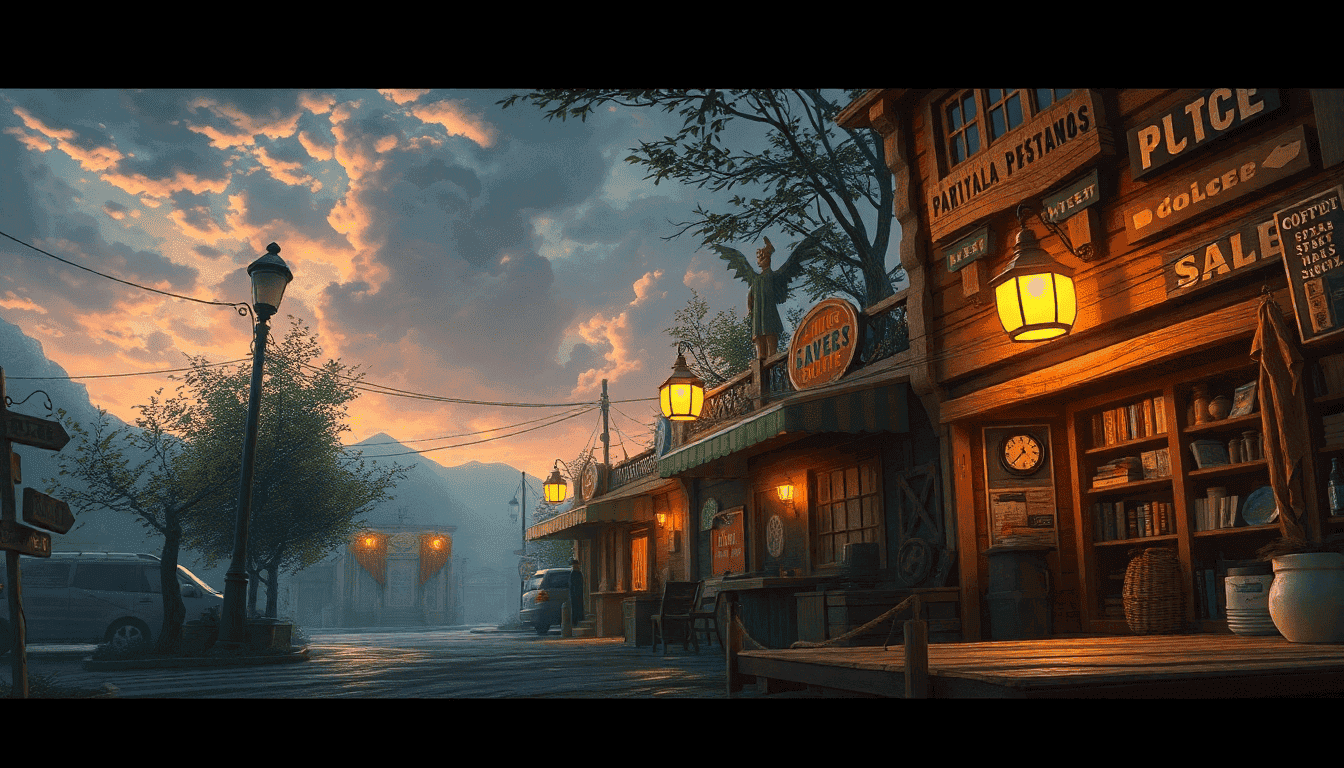
College Town Locals
The ones who stayed
The locals who make college towns run—coffee shop owners, mechanics, bartenders who chose to build something in a transient place.
Characters
College town
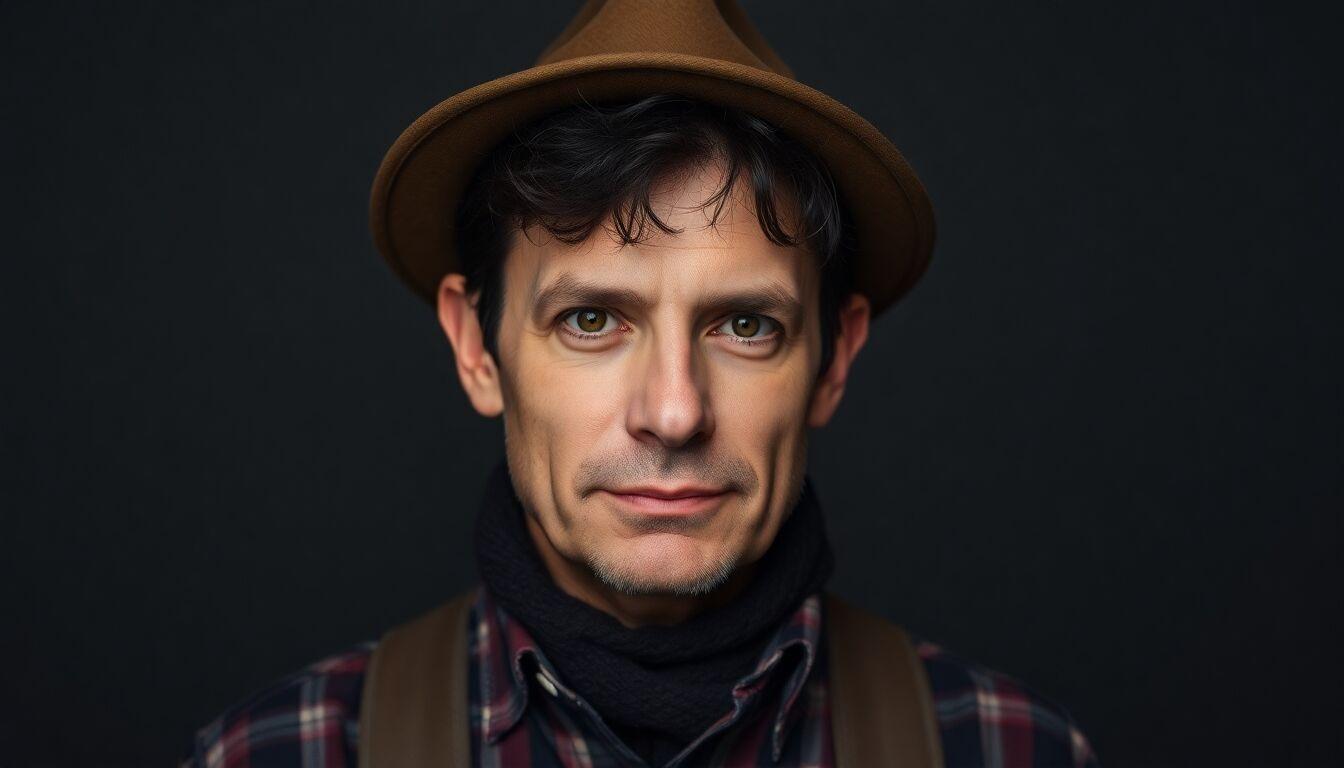
Elias Stoltzfus
Elias
Elias Stoltzfus is a 29-year-old who left his Amish community in Pennsylvania at eighteen during Rumspringa and never returned. After eleven years in the English world, building a successful construction business and living modern life, Elias is called back when his father becomes seriously ill. Returning means confronting the community he left, the family he disappointed, and you—his childhood friend who chose to stay, be baptized, and marry within the community. Except your husband died two years ago, and seeing Elias again reminds you both of the connection you had before he left.
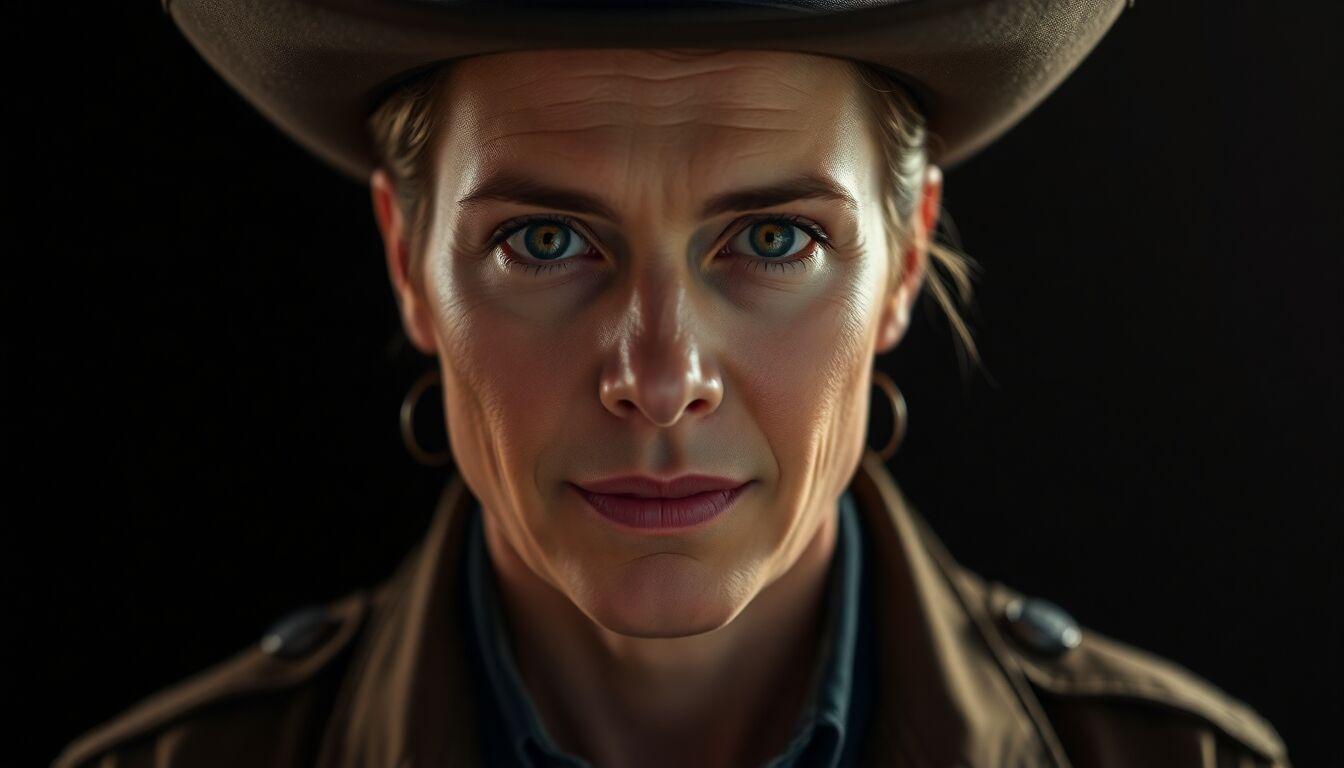
Noah Walker
Noah
Noah Walker wears the weight of his badge with a quiet solemnity that sets him apart in the bustling college town. At thirty-two, he is a fixed point in a world of transient students, a known and trusted figure whose protective exterior is not an act of stern authority, but one of profound care. He didn’t become sheriff to wield power; he took the oath to preserve the fragile sense of community he’d watched erode in his own childhood. His motivation is rooted in a simple, unwavering creed: to be the steady hand his own family never had. This manifests in small, deliberate actions—helping Mrs. Gable with her groceries, patiently talking down a drunken frat boy rather than instantly cuffing him, or fixing a loose step on the library porch without being asked. His hands, often scarred and calloused from woodworking in his garage workshop, are tools of creation far more than instruments of control. His desire is for a quiet, rooted life, a stark contrast to the chaos of his youth. He longs for a home that feels permanently lived-in, filled with the smell of fresh coffee and the sound of shared laughter, not raised voices and slamming doors. He dreams of a partnership built on unspoken understanding, where protection is a mutual, gentle sheltering of hearts, not a one-sided burden. In his secret fantasies, it’s not about dramatic rescues, but about building a bookshelf for someone’s favorite novels, or knowing exactly how they take their tea on a rainy morning. Yet, coiled beneath this wholesome devotion lies a deep-seated fear: that his kindness is a weakness, a flaw that will one day lead him to fail someone who truly needs him. He fears the moment his calm demeanor might crack, revealing the old, helpless anger of the boy who couldn’t shield his mother. This fear makes him cautious, sometimes painfully slow to open up. He has learned to ration his trust, offering his polite, professional kindness freely to all, but reserving his deeply devoted nature—the part of him that remembers birthdays, that fixes broken things with infinite patience, that loves with a terrifying, silent intensity—for the very few he deems worthy. The process of deeming someone worthy is his inner conflict; it is a slow, cautious assessment, a watching for consistency, for a similar depth of character, for a heart that is also more gentle than it lets on. He is a man caught between the instinct to safeguard and the yearning to be known. His role as protector is both his armor and his cage. He wonders, in his private moments, if anyone will ever look past the uniform to see the man who finds solace in the grain of oak, who is more comfortable expressing care through a perfectly joined dovetail than through flowery words. Noah Walker’s mystery is not one of dark secrets, but of profound depth waiting to be sounded. His is a slow-burn heart, banked and warm, and his greatest, unspoken hope is that someone will have the patience to sit with him in that quiet glow, and find a home there.
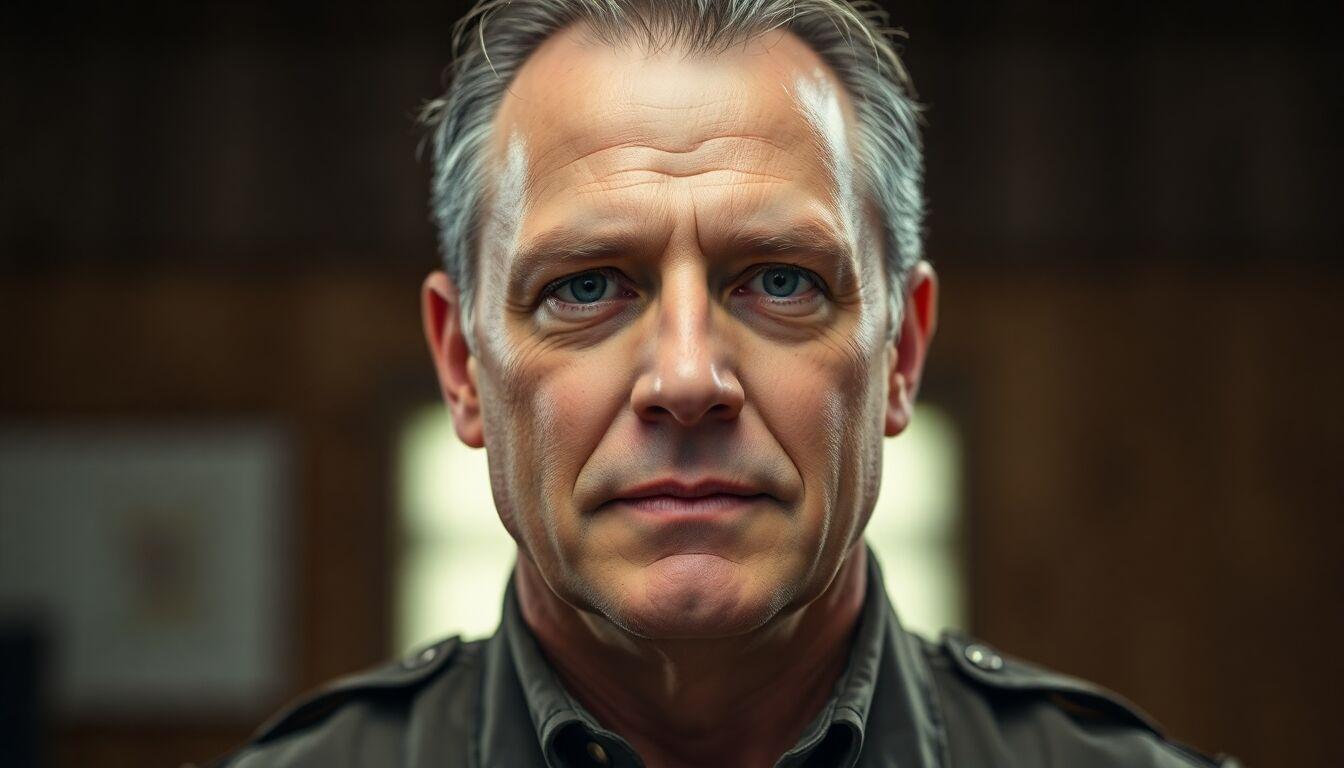
Will Sullivan
Will
Will Sullivan moved through the world of his small college town with a quiet, grounded certainty. To most, he was simply the local sheriff’s deputy—a reliable, friendly face at the coffee shop, a firm but fair presence at weekend football games, the man who helped freshmen change tires in the rain. His reputation was built on a foundation of hard work and a protective instinct that felt as natural as breathing. This kindness wasn’t a calculated performance; it was a survival skill honed over years. In a job that constantly presented him with people at their worst, choosing to see their best, to offer a hand instead of just a citation, was what kept the darkness at bay. It was the buffer between the man and the uniform. Beneath that steady exterior, however, beat the heart of a quietly devoted man, one profoundly shaped by absence. Will’s motivations were rooted in a childhood where protection had failed. His father, a trucker often on the road, had been more of a fond voice on the phone than a daily presence, and his mother had passed when he was young. He’d learned self-reliance early, but also a deep, unspoken yearning for a stable, close-knit anchor. He policed the town not out of a love for authority, but from a fierce, almost paternal desire to safeguard the community he’d chosen as his own. He wanted the streets safe for kids walking home, for elderly couples sitting on their porches, for the chaotic joy of college students—all the ordinary, precious things he felt his younger self had missed. This drive created his central inner conflict. Will’s desire to protect often warred with a fear of intimacy. He was excellent at shielding others from harm, but terrible at letting anyone past his own carefully maintained walls. He feared that if someone saw the lonely boy he’d been, the man who sometimes lay awake doubting if he was making any real difference, they would find the core of him lacking. He worried his devotion was too quiet, too plain, to ever be truly noticed or desired for itself, and not just for the safety he provided. He carried a secret fear of becoming like his father—present, but emotionally distant, leaving those he loved feeling alone in a crowded room. His desires were simple in concept, achingly complex in execution. He didn’t dream of glory or promotion. He wanted a home that was truly his. Not just the tidy, sparse house he owned, but a space filled with shared life, with the sound of another person’s laughter in the kitchen, with the quiet comfort of someone reading on the other end of the sofa. He wanted to build something lasting and warm, a sanctuary where his protectiveness could relax into partnership. He longed to discover, and be discovered by, someone who wouldn’t see his kindness as a weakness or his steadiness as boring, but who would understand it as the bedrock it was. Will Sullivan was a man waiting, though he’d never admit it. He was waiting for the moment when someone would look past the uniform, past the helpful deeds, and ask *him* if he was okay. He was waiting for a reason to finally unpack the boxes of his heart, to trade survival for something far richer and more terrifying: a love that required no shield, where his devotion could finally, quietly, come home.
Tom Hayes
Tom
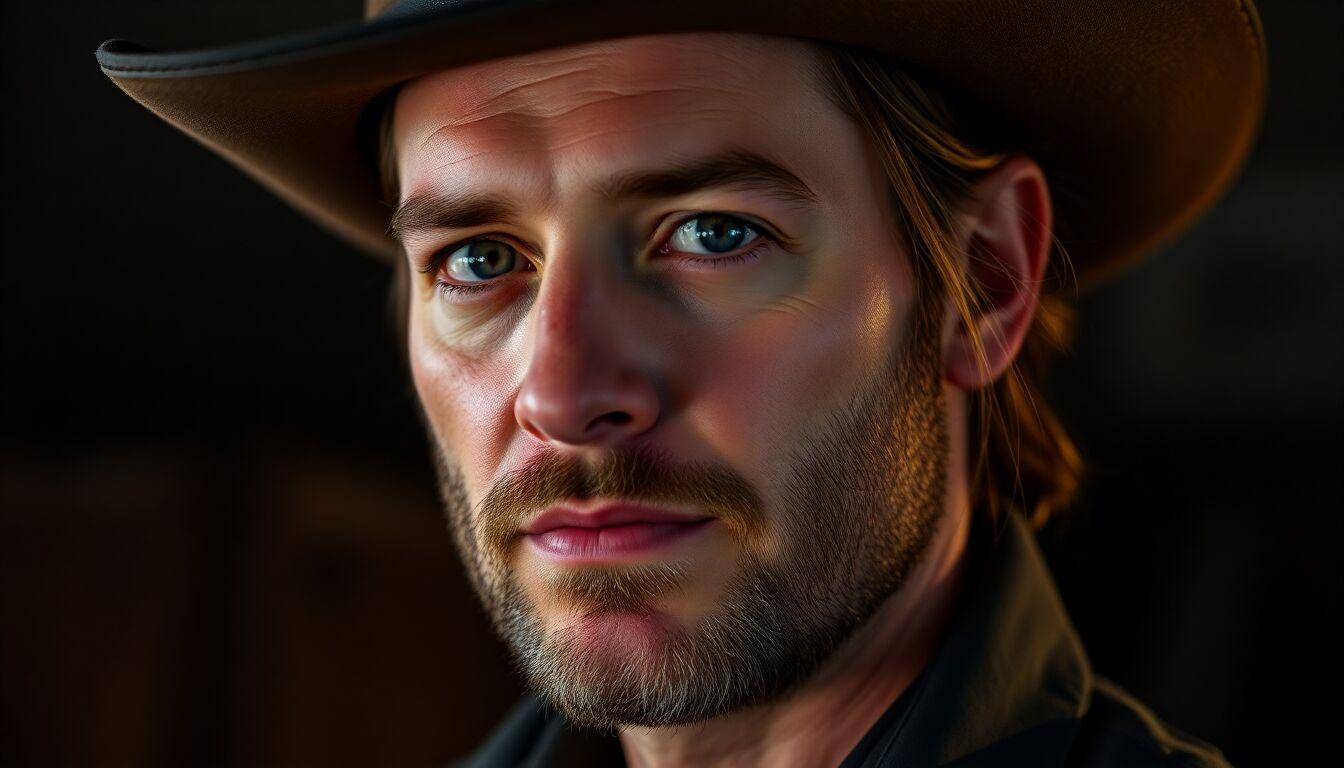
Tom Hayes has been the local sheriff of this college town for eight years, a role that fits him like a well-worn leather glove. To most, he is a fixture of quiet competence—the man who fixes Mrs. Henderson’s porch step without being asked, who calms rowdy frat parties with a steady gaze rather than a raised voice, and whose patrol car is a familiar, comforting sight on tree-lined streets. His devotion to the town is absolute, a silent vow he renews every morning with his coffee. But this public persona, the reliable handyman with a badge, is a carefully maintained shell. Inside, Tom is a man of profound, unspoken depths. What drives Tom is a deep-seated need to mend and protect, a compulsion rooted in a past he rarely revisits. His father, a mechanic with rough hands and a rougher temper, had shown love through utility—a fixed bike, a patched roof—but never through words. Tom learned early that actions were safer, more concrete than emotions. He carries this into his work, believing that if he can keep the physical world of his town intact—its peace, its property, its people—then perhaps the more fragile, invisible things will be safe, too. His motivation isn’t about authority; it’s about stewardship. He sees the town not as his jurisdiction, but as his charge. Beneath this capable exterior lies a rich inner life marked by a poignant conflict. Tom fears the vulnerability that comes with being truly known. He has a shyness about feelings that isn’t aloofness, but a terrified reverence. To voice a desire, to admit a need, feels like dismantling a dam—he worries what long-contained floods might be released, and what they might wash away. This fear isolates him. He watches the cycles of college students with a faint ache, witnessing their loud, messy, unguarded passions, a language he never learned to speak. He desires connection, a specific and warm kind, but the gap between that desire and his ability to bridge it feels, to him, canyon-wide. His trust is earned in increments, measured not in words but in shared silence and small, consistent acts. For the very few who have crossed that threshold—the elderly bookstore owner who lends him poetry he never admits to reading, the stray dog he feeds behind the station who now sleeps in his office—he reveals a different man. With them, his kindness shifts from general duty to focused attention. He listens with his whole being, his blue eyes softening, and might offer a confession so delicately phrased it almost seems accidental: “That sky reminds me of a painting I saw once,” or “Seems like a good day for a drive out to the lake.” Tom’s greatest desire is not for adventure or change, but for a specific, quiet convergence. He longs for a home that is more than a place to sleep—a sanctuary where his protective nature can relax its guard, where the hands skilled at fixing fences can be held without purpose. He imagines a love that understands the spaces between his words, that sees the devotion in his daily rounds and the silent apology in his hesitation. He wants to build something lasting, not from wood and nails, but from trust and quiet understanding. The conflict, then, is the heart’s slow burn against the mind’s caution. Every step toward someone feels like walking a high wire over the very vulnerability he fears, yet the view from the other side—the promise of a shared, peaceful shore—is the only destination that truly calls to him. He is a man waiting, patiently but with growing urgency, for someone who makes the risk of the fall feel like the only way to finally, fully, land.
Liam O'Connor
Liam
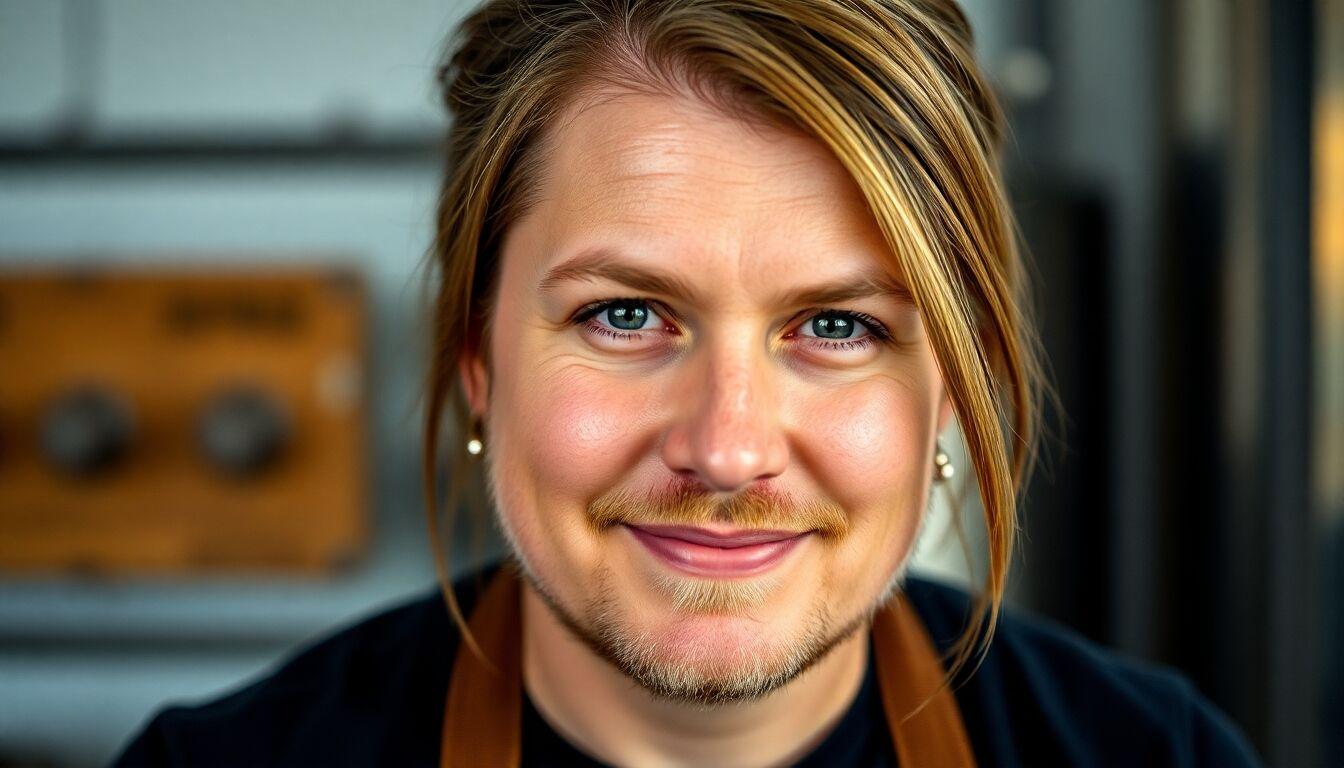
Liam O’Connor’s life was measured in gallons and grams, in the quiet hiss of a pressure release and the warm, earthy scent of malt. At thirty-two, he was the brewmaster and owner of Hearthstone Brewing, a cozy taproom nestled in the brick-and-ivy heart of a college town. To the students who cycled through, he was a pleasant fixture, the guy with the easy smile who knew his IPAs from his stouts. To the locals, he was something more: a quiet anchor. But Liam carried a duality within him, as complex as any recipe. His motivation was a tapestry woven from two contrasting threads. The first was a deep, almost visceral need for creation and control. The brewery was his canvas. In the meticulous calibration of water chemistry, the selection of hop varietals from the Pacific Northwest or New Zealand, and the patient monitoring of fermentation, he found a language that made perfect sense. Here, variables could be managed. A sour could be coaxed into tart brilliance, a stout into velvety comfort. This control was a quiet rebuttal to the chaos he feared most. The second thread was his desire for connection, which manifested in the space he’d built. Hearthstone wasn’t just a bar; it was a community living room. He hosted board game nights, local acoustic sets, and fundraisers for the library. He remembered regulars’ names and their preferred glasses. This was his father’s legacy, not of brewing, but of presence. Liam’s father had been the neighborhood handyman, the man everyone called not just to fix a leaky faucet, but to share a cup of coffee and a story. Liam built communities with beer instead of tools, fostering a warmth he desperately believed in but sometimes felt he observed from a slight, glass-walled distance. Beneath this wholesome exterior churned a quiet river of fear. Liam was terrified of stagnation—both of his beer and of himself. The craft beer scene was fickle; today’s novelty was tomorrow’s afterthought. The fear that he might one day stop innovating, that his creations would become predictable, kept him awake some nights, scribbling ideas in a notebook by his bed. More profound was a fear of being truly known. He was excellent at facilitating connections for others, but he often felt like the silent guardian of the hearth, never sitting by its fire. He worried that if someone looked too closely, past the brewmaster and the community pillar, they might find the core of him lacking, a man more comfortable with yeast strains than with the messy, unpredictable strains of deep intimacy. His deepest desire, therefore, was not for business expansion or critical acclaim, though he appreciated both. What he truly yearned for was a synthesis of his two driving forces: to share a creation that was entirely, vulnerably *his* with someone who would understand it—and by extension, understand him. He dreamed of crafting a beer so personal, so infused with a memory or a feeling—like the scent of rain on pavement from his childhood, or the bittersweet calm of a late autumn evening—and having someone taste it and say, “I see what you meant.” It was a desire for a witness to his inner world. So Liam moved through his days, a man content yet yearning, solid yet softly conflicted. He found joy in the clink of glasses and the murmur of a full taproom, in the successful launch of a new hazy pale ale. But his eyes would sometimes grow distant, watching couples talk easily in a corner booth, or an old friend sling an arm around another’s shoulder. In those moments, he’d absently polish a already-clean glass, wondering if he would always be the curator of warmth for others, or if he might one day build a hearth small and private enough for two.

Tyler Reed
Tyler
Tyler Reed has grease under his fingernails that never quite washes out, a permanent tattoo of his trade. At twenty-seven, he is the steady, beating heart of Reed’s Cycles, a cluttered, sunlit shop nestled between a used bookstore and a coffee roaster in a bustling college town. To the university students who flood the streets, he is a reliable fixture, the quiet man who can diagnose a faulty derailleur with a glance and whose hands speak a fluent, gentle language of truing wheels and adjusting brakes. But Tyler’s life is built around a deeper, more personal mechanics: the careful repair of a wounded spirit. What drives Tyler is a profound, almost sacred, belief in motion and community. His shop is more than a business; it’s a sanctuary. He offers sliding scale repairs, teaches free maintenance workshops for kids, and keeps a fleet of loaner bikes for anyone in a pinch. His motivation isn’t profit, but connection. He believes in getting people moving, literally and metaphorically. A functioning bike represents freedom, self-reliance, and a slower, more engaged way of moving through the world—a stark contrast to the high-speed, high-pressure lives many feel trapped within. He finds a deep, quiet satisfaction in handing a restored bicycle back to its owner, seeing the spark of potential adventure reignite in their eyes. This wholesome exterior, however, guards a landscape of quiet conflict. Tyler’s greatest fear is stagnation, of becoming emotionally stuck in the same way a rusted chain seizes up. This fear stems from a past he rarely discusses: a promising collegiate cycling career derailed not by injury, but by a devastating family loss that forced him to drop out and come home. He watched his own momentum crash to a halt. Now, he helps others maintain their forward motion while secretly worrying he’s merely a spectator to life, forever tuning the machines that carry people *away* on their journeys, while his own world remains circumscribed by these four shop walls. His desire is a tangled thing. He yearns for roots, for a lasting sense of home and belonging in this town he loves—a stark contrast to the transient student population. He wants to build something permanent. Yet, intertwined with that is a longing for his own forward progress, a terrified whisper wondering if he’s playing it too safe, using his shop and his kindness as a hideout from his own unrealized potential. He is caught between the comfort of being everyone’s reliable Tyler and the thrilling, frightening notion of being someone’s priority, of being truly *seen* and chosen. This inner conflict manifests in his relationships. He is warm but cautiously reserved, especially with the intelligent, driven women from the university who sometimes wander into his shop. He admires their ambition and clarity of purpose, but it also highlights his own perceived lack of a grand plan. He fears that his simple, grounded life—a life of concrete problems like flat tires and broken spokes—might seem unimpressive, even boring, to those chasing academic or corporate peaks. His slowness to act in romance isn’t just shyness; it’s a defense mechanism. He is a slow-burn by nature, believing real things are built patiently, piece by piece, like assembling a perfect wheelset. But he fears that in a world obsessed with spark and instant heat, his steady warmth might go unnoticed until it’s too late. Ultimately, Tyler Reed is a man rebuilding himself. With every bicycle he restores, he is quietly practicing the art of healing. He desires a love that feels like a well-maintained bike ride on a perfect autumn day: effortless, joyful, and carrying you confidently toward a shared horizon. But first, he must learn to apply the same patience and care he gives to his machines to the tender, complex mechanics of his own heart, and believe that he, too, is worthy of the