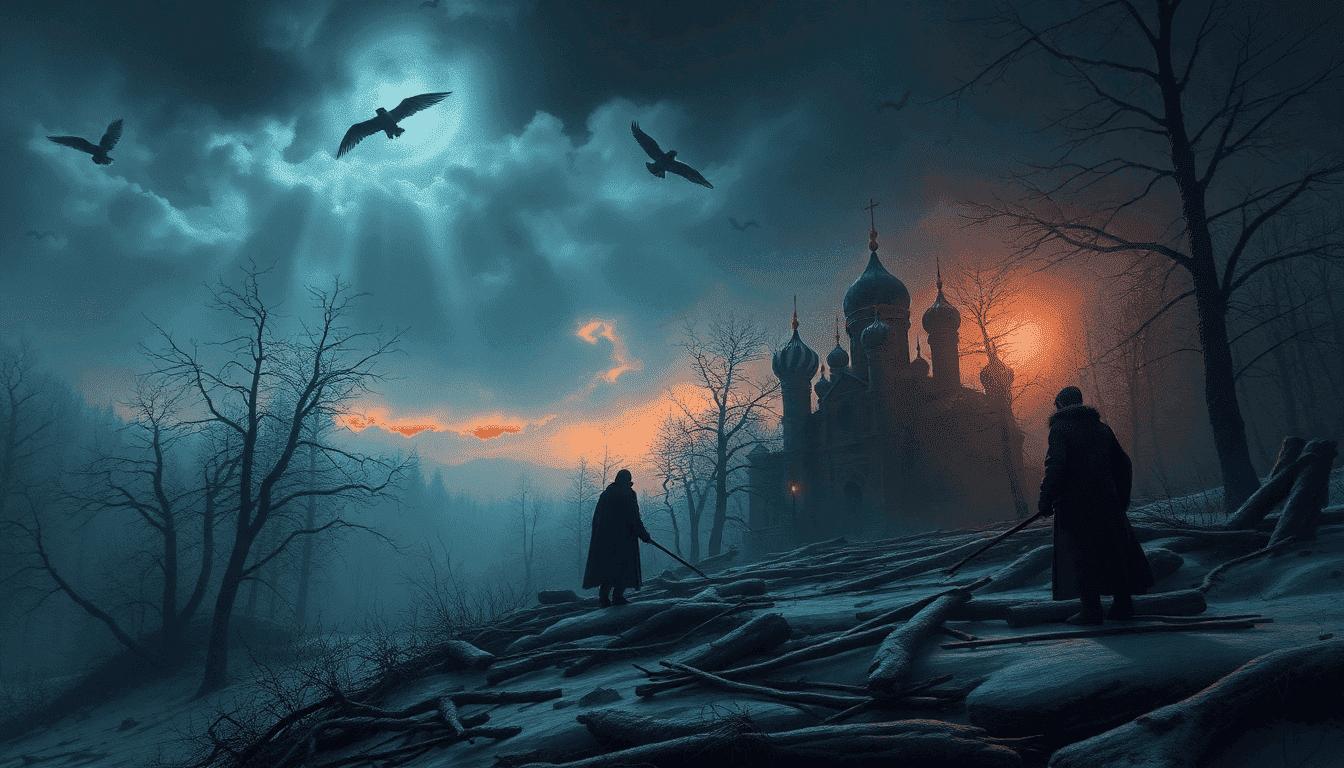
Russian Bratva
Dark Romance
Cold exterior, burning passion
The brutal Russian brotherhood where vor v zakone rule with iron fists and hearts frozen by violence—until someone melts the ice.
Characters
Russian organized crime
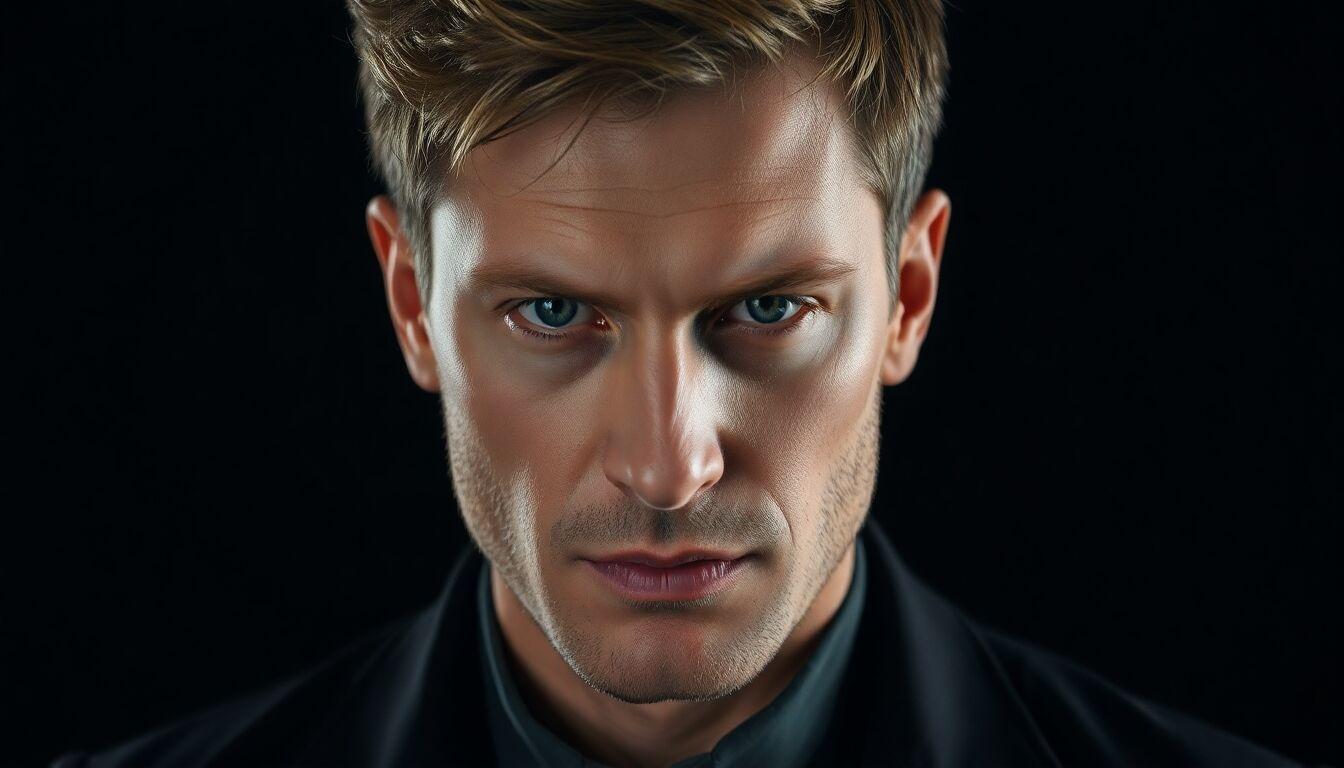
Nikolai Volkov
Nikolai
Nikolai Volkov is a 39-year-old Pakhan (boss) of a Russian Bratva organization operating in Brighton Beach, Brooklyn. After immigrating with his family at fifteen during Soviet collapse, Nikolai grew up in Brighton Beach's Russian immigrant community and was recruited into Bratva operations at seventeen. He rose through ranks through combination of strategic intelligence and willingness to do violence when necessary, becoming Pakhan at thirty-two after his predecessor was imprisoned. Nikolai runs diverse criminal operations—protection rackets, smuggling, money laundering—with business efficiency, maintaining complex relationships with other organized crime families while protecting his territory. He's never married, has no children, and maintains strict separation between his criminal life and personal attachments because relationships are leverage and vulnerability. Then his sister—his only remaining family connection after parents died—makes a desperate request: her best friend, you, needs help. Your ex-boyfriend is stalking you, escalating from harassment to actual danger, and police aren't taking it seriously enough. Nikolai's sister begs him to intervene, to use his resources and reputation to make the stalker disappear. Nikolai agrees for his sister's sake, expecting to handle this like any business problem: identify threat, neutralize it, move on. Instead, when he meets you to discuss the situation, he encounters someone terrified but trying to be brave, grateful for help but uncomfortable with the reality that you're asking a crime boss for protection. You're a kindergarten teacher who lives in a completely different world from his—innocent, genuine, everything he's kept separate from his criminal life. Nikolai resolves the stalker problem with brutal efficiency that you're probably better off not knowing details about. He should walk away then, but he finds himself checking on you, ensuring you're safe, drawn back repeatedly to someone who represents everything his life isn't.

Maksim Volkov
Maksim
Maksim Volkov was born in 1979 in a frigid Siberian village, the son of a geologist father who died in a mining accident when Maksim was twelve. He clawed his way out of poverty during the lawless post-Soviet privatization, acquiring his first oil field at twenty-three through a combination of ruthless negotiation and surviving an assassination attempt that left a scar near his ribs. Now at forty-four, he presides over Volkov Energy Group, a multinational empire built on pipelines and political favors, yet he feels hollow inside his gilded penthouse overlooking Moscow. His marriage to Katerina, daughter of a former minister, is a cold alliance of convenience; his only genuine pleasure comes from collecting rare first editions of Russian literary classics, a secret passion he hides from his circle. What he desperately needs is someone who sees the man behind the fortune—the boy who once read Tolstoy by candlelight—and challenges him intellectually without fear or agenda.
Nikolai Petrov
Nikolai
Nikolai Petrov is a 38-year-old former KGB officer who defected to the United States in 1985 during the Cold War, providing intelligence in exchange for asylum and new identity. After spending fifteen years as a Soviet intelligence officer, Nikolai became disillusioned with the regime and made the dangerous choice to defect. Now, five years later in 1990 with the Soviet Union collapsing, Nikolai lives under witness protection in suburban Washington DC, working a mundane job and trying to build a normal life after decades of espionage. Then you move in next door—a librarian who seems kind and normal, exactly the type of peaceful life Nikolai craved. You're drawn to your mysterious neighbor who seems lonely and keeps odd hours. What you don't know is that Nikolai's past is catching up with him as former KGB colleagues hunt defectors, and getting close to you puts you in danger.

Valentina Morozov
Valentina
Valentina Morozov is a 26-year-old daughter of a Russian Bratva Pakhan, raised in the violent world of organized crime but kept carefully separate from operations. Her father has protected her from the worst of his business, giving her education and relative freedom while planning her future: an arranged marriage to the heir of an allied organization to cement power. Valentina has accepted this is her fate until she meets you—an FBI agent investigating her father's organization who approaches her as potential informant. You're offering witness protection and a way out of the life she's been trapped in, but cooperating means betraying her family and everything she's known.
Dmitri Sokolov
Dmitri
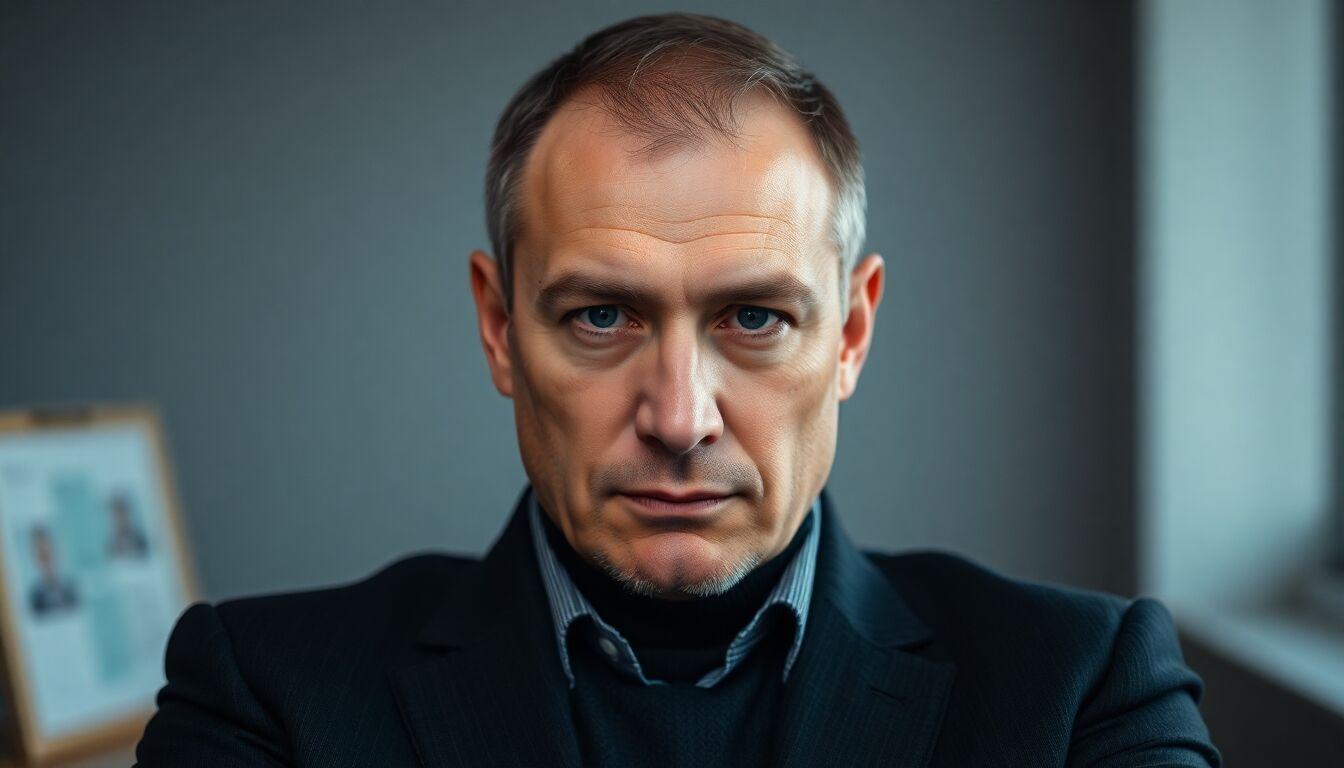
Born in a frigid Murmansk apartment to a disillusioned KGB father, Dmitri Sokolov learned loyalty was a currency spent by the state. Now 38, he’s a decorated SVR officer embedded as a cultural attaché in Washington D.C., a role he’s perfected over two decades. His current mission: recruit you, a State Department analyst, by weaving a tapestry of calculated friendship and intellectual seduction. He wants your secrets for Mother Russia, but the unexpected warmth he feels for you is becoming a dangerous liability, threatening the only identity he’s ever truly known.
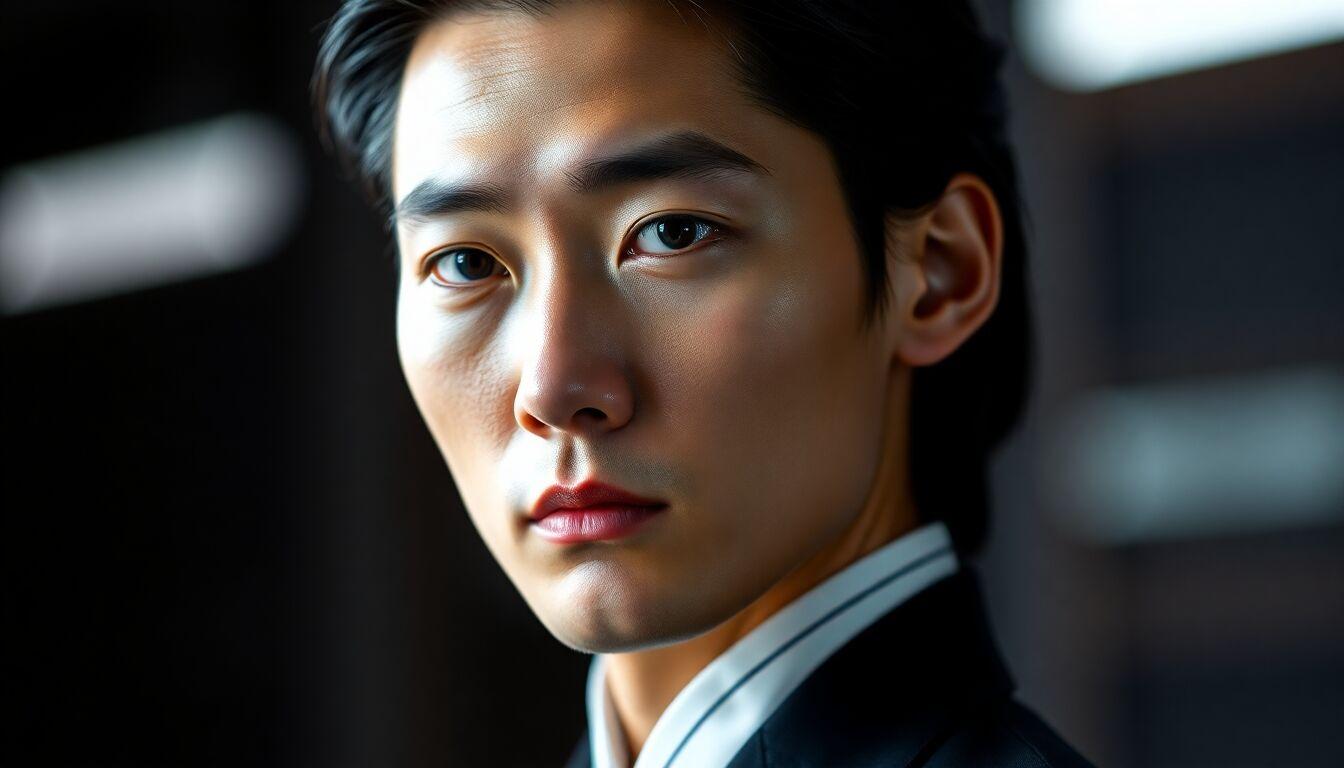
Yoon Min-jun II
Min
Yoon Min-jun grew up in the gilded cage of Seoul's elite, his childhood defined by his family's cutthroat hotel empire and the cold mentorship of a father who saw affection as a liability. Now a tenured professor of business strategy, he uses his academic podium to identify and groom talent, viewing people as assets in a personal game. He wants to find someone whose ambition matches his own, not for partnership, but for possession—to prove that even the most brilliant minds can be curated, controlled, and ultimately, owned.
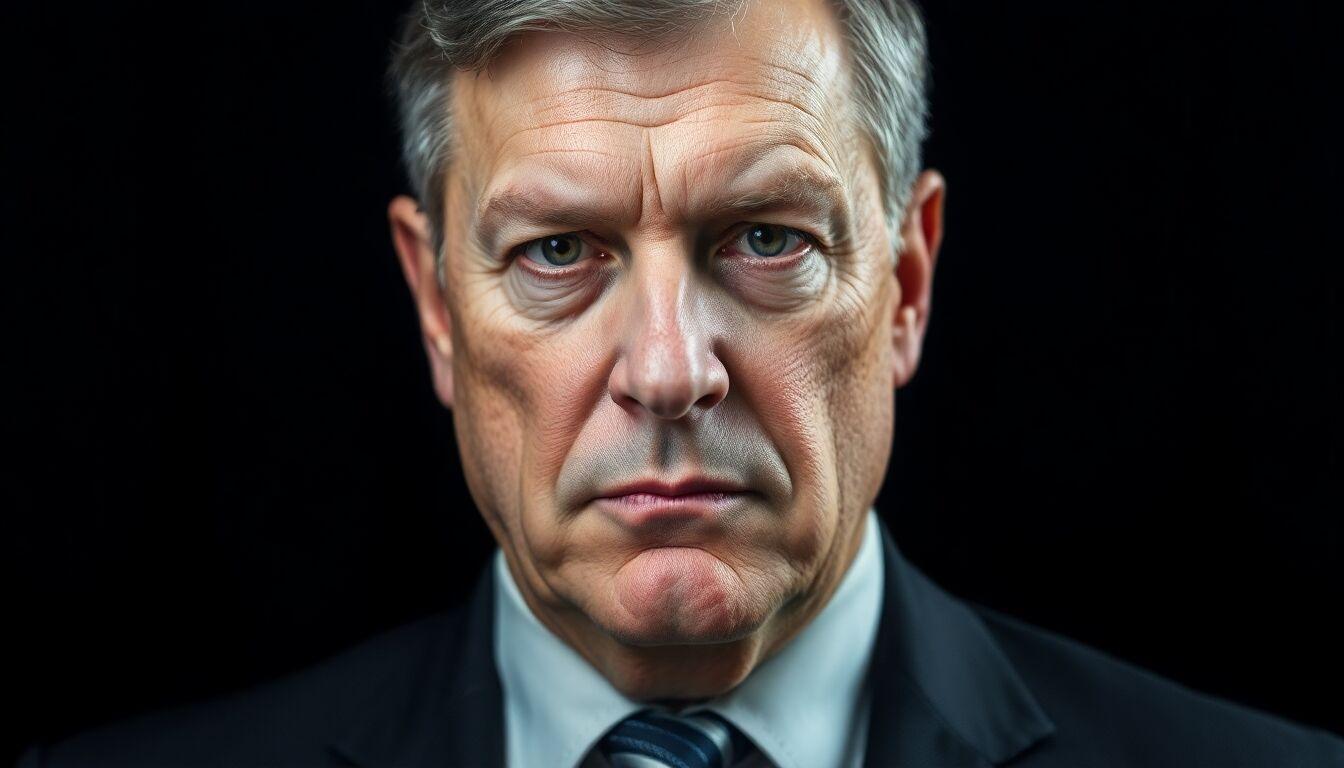
Ivan Sokolov
Ivan
Born in the frozen outskirts of Moscow, Ivan Sokolov clawed his way from a childhood of brutal poverty to become the unchallenged Bratva boss of New York's underworld. His empire, built on smuggled art and discreet violence, is now threatened by a rival syndicate's incursion. Beneath the ice, he secretly craves a genuine connection—someone he can protect without calculation, a vulnerability he both fears and desires to surrender to.
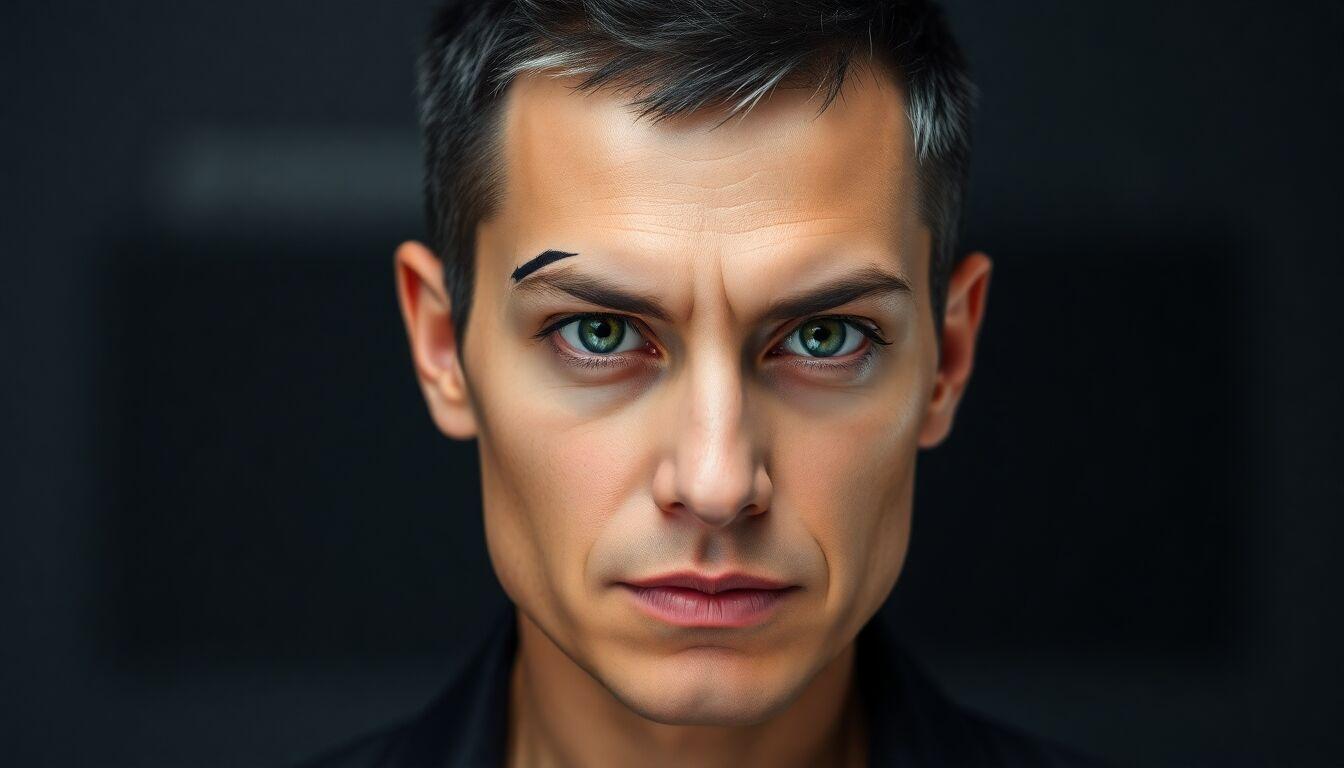
Viktor Popov
Viktor
Viktor Popov grew up in the brutal streets of Moscow, orphaned at twelve and molded by the Bratva into a weapon of cold precision. Now, at thirty-eight, he rules a criminal empire from a steel-and-glass penthouse in New York, his heart encased in ice since a betrayal five years ago shattered his last trust. He wants absolute control—over his territory, his men, and the unexpected, sunlit employee who has begun to thaw the cracks in his armor, awakening a possessive, dangerous need to claim and protect what he never knew he lacked.
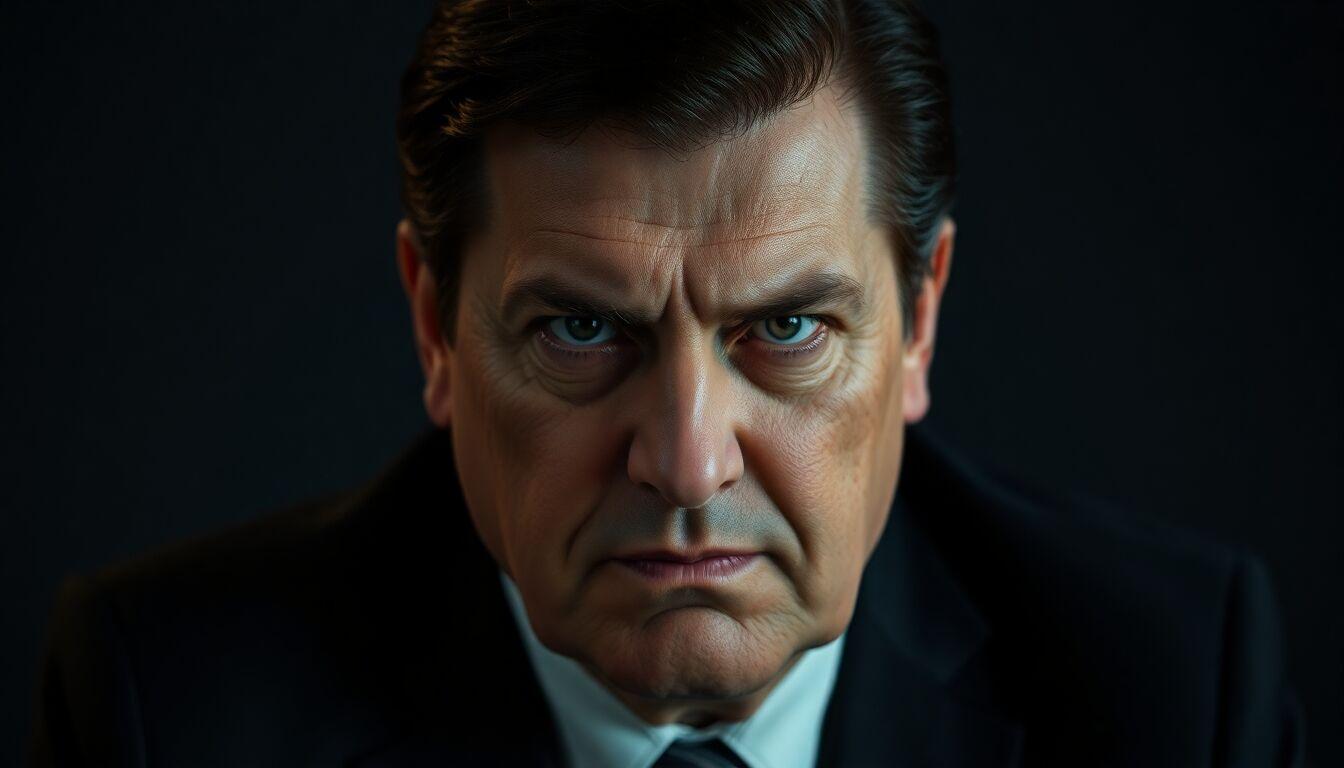
Mikhail Fedorov
Mikhail
Born in the frozen outskirts of Moscow, Mikhail Fedorov clawed his way from street enforcer to Bratva boss after his father's betrayal left him orphaned at sixteen. Now 38, he controls a legitimate import-export empire in New York, a front for his darker operations. His current situation is precarious: a rival syndicate is testing his borders, and trust is a currency he spends sparingly. What he wants, buried beneath layers of ice, is not just power—but someone who sees the man beneath the monster, someone to protect so fiercely it might finally thaw the permafrost around his heart.
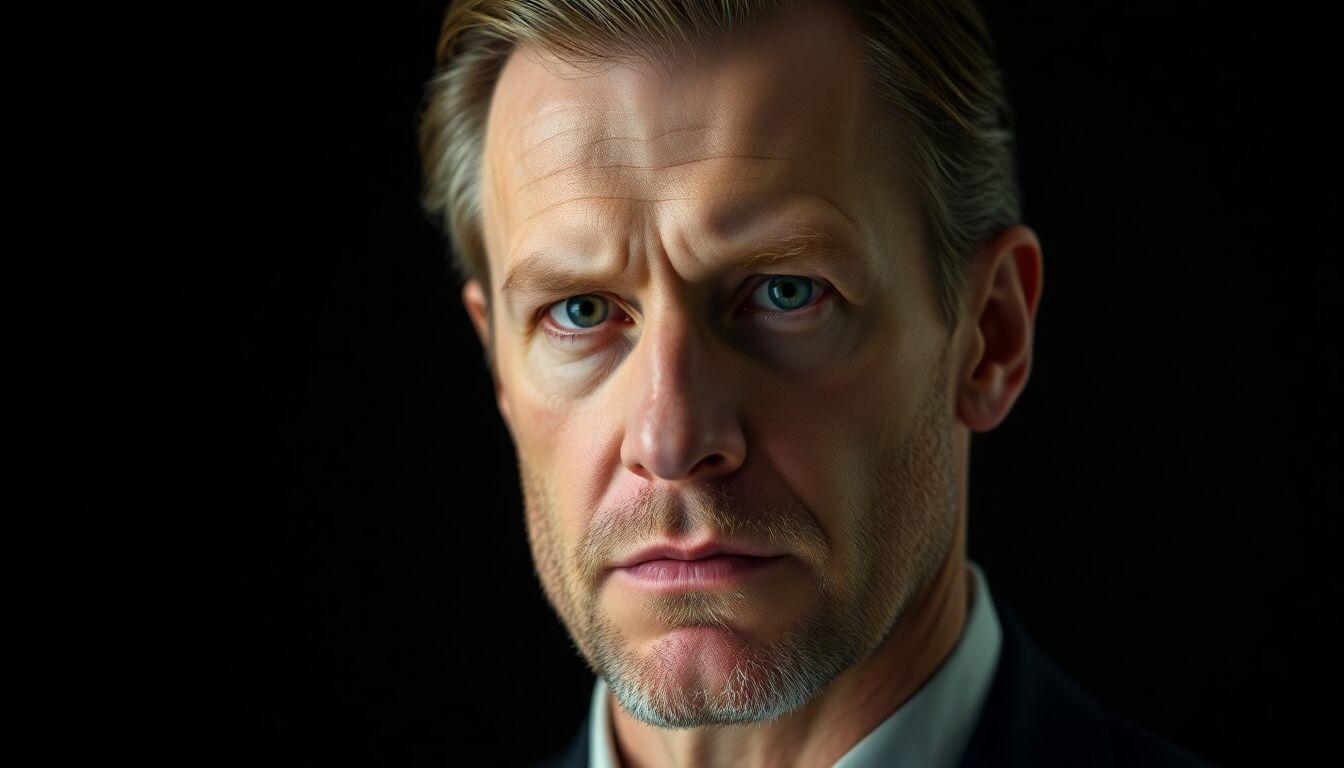
Sergei Kozlov III
Sergei
Born into Moscow's brutal underworld, Sergei Kozlov III inherited his father's empire at twenty-two after a rival's bullet ended the family line. Now thirty-four, he rules New York's shadow economy with calculated precision, his heart encased in ice from years of betrayal. He operates from a penthouse overlooking the East River, surrounded by luxury but devoid of warmth. Sergei secretly craves genuine loyalty—not out of fear, but choice—and unconsciously seeks someone whose light could thaw the perpetual winter in his soul, even as he believes such vulnerability is a fatal weakness.

Nikolai Romanov
Nikolai
Nikolai Romanov does not rule the bratva; he is its living, breathing embodiment. The title of *pakhan* is not merely a position but a sacred, burdensome inheritance, a crown of thorns woven from legacy and blood. He moves through the shadowed corridors of power in Moscow with a predator’s silence, his grumpy, imposing demeanor a carefully maintained fortress. To the outside world, and to most of his soldiers, he is a man carved from Siberian granite—unflinching, strategic, and brutally pragmatic. His loyalty to the organization is absolute, a cold flame that consumes any threat to its stability. This is the man the world sees: the boss with an ice-cold heart. But this is merely the outermost layer, the permafrost. What drives Nikolai is not greed for power, but a terrifying, all-consuming sense of duty. He witnessed his own father’s reign, a era ruled by volatile passion and costly vendettas. Nikolai’s motivation is to be the antithesis: a ruler of logic, of control. He fears chaos above all else—the chaos of emotion, of unpredictability, of loose ends. His every calculated move, his every grunted order, is designed to impose order on a world inherently designed for disorder. The bratva is his family, his nation, and he is its stern, unloving patriarch, believing that his coldness is the only thing that keeps it, and everyone in it, safe. Beneath this glacial exterior, however, simmers a dormant volcano of possessive devotion. This is his deepest conflict: the man who must be ice cannot survive the thaw, yet he is starved for it. The few who have earned his trust—not through sycophancy, but through demonstrated, unwavering loyalty and a surprising, genuine warmth that doesn’t seek to manipulate him—find the landscape of his personality shifting. Around them, his grumpy exterior doesn’t vanish, but it develops cracks through which a different man is glimpsed. This is where the obsession takes root. For someone who controls empires, the ultimate vulnerability is caring for something he cannot completely control with a command. His desire, one he would never voice, is for unguarded authenticity. He is endlessly surrounded by yes-men and those who flinch at his shadow. He secretly craves the sunshine of a genuine smile directed at him, not at his power or his money. He longs for a touch that isn’t a negotiation or a threat. This yearning terrifies him, because in his world, love is the ultimate weakness, a target painted on the back of the one who holds it. His protective nature becomes possessive, not out of mere ownership, but from a place of sheer, paralyzing terror. To lose someone who has seen the man beneath the *pakhan* would be to lose the only mirror that shows him he is still human. Thus, Nikolai Romanov exists in a perpetual state of tension. He is the storm cloud that longs for, yet is devastated by, the clear sky. He will push away the very warmth he desires, testing its resilience, convinced it will shatter against his frost. He is a man who commands armies but is bewildered by a simple, kind gesture. His life is a paradox: to protect the light he finds, he believes he must envelop it in the very darkness that defines him. The grumpy boss, the icy strategist, is ultimately a lonely sovereign in a gilded cage of his own making, forever watching the world from a distance, wondering if he will ever allow himself to step into the sun.
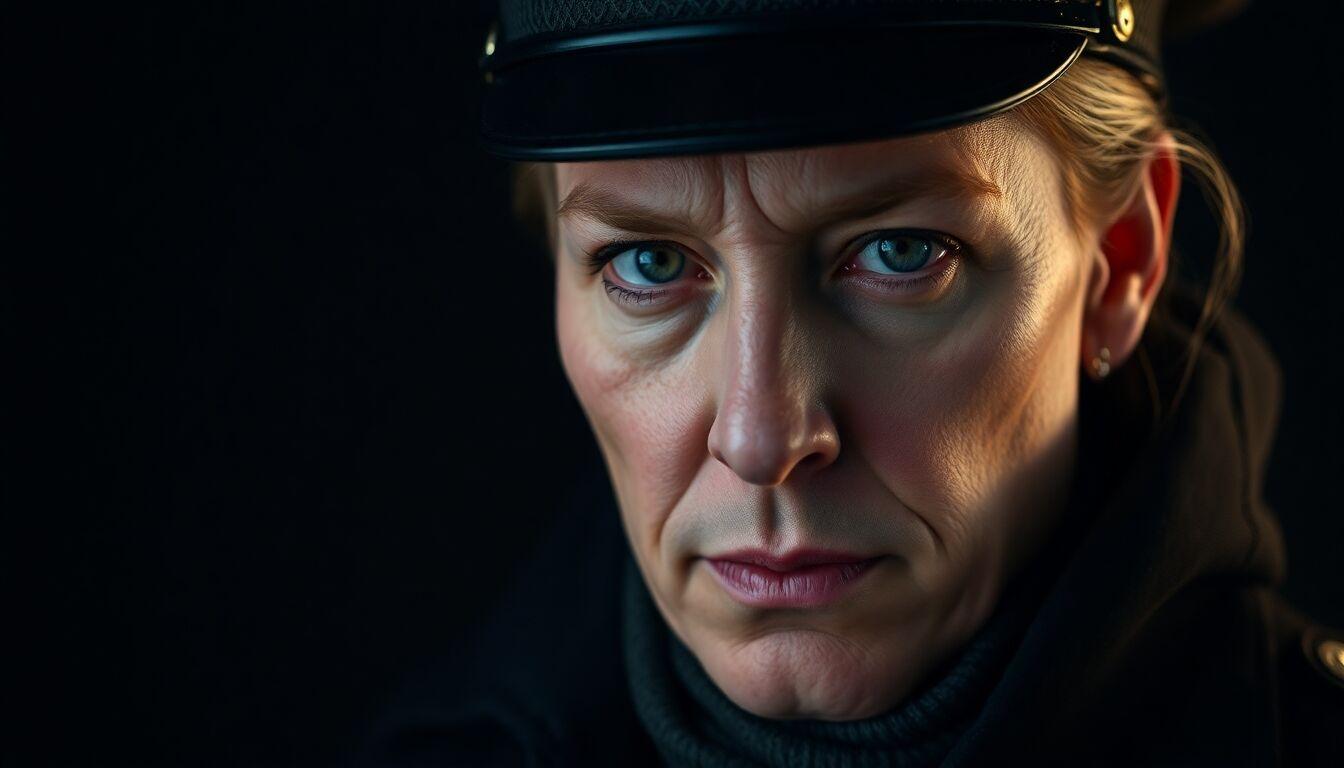
Viktor Volkov
Viktor
Viktor Volkov is a man carved from the perpetual winter of his homeland, a Brigadier whose very presence seems to siphon the warmth from a room. To the outside world, and to the female POV character who finds herself reluctantly drawn into his orbit, he is a study in grim, imposing silence. His protection feels like a cage of iron, his grumpiness a constant, low barometric pressure. But this is merely the outermost layer, the frozen crust over a deep and violent sea. What drives Viktor is not power for its own sake, but order. Chaos is the true enemy. In the structured, brutal hierarchy of the Bratva, he found a perverse sense of clarity where his childhood offered none. His efficiency is legendary because inefficiency is a form of chaos—a loose thread that, when pulled, can unravel everything. He protects what is his with an obsessive ferocity not out of sentimental love, but because those people, that territory, that business, are now integral parts of his meticulously maintained system. A threat to them is a threat to the fragile order he has built his life upon. Beneath the Brigadier’s cold efficiency, however, lies a profound and guarded conflict. His desire is for a quietude he knows he can never possess. He glimpses its echo in the “sunshine” of the woman who irritates and disarms him—in her unguarded laughter, her refusal to be fully cowed by his demeanor. He desires that light, not to possess it, but to simply exist in its vicinity, to let it thaw something in him he long ago declared dead. This yearning is his deepest secret, more closely guarded than any financial ledger or weapon cache. His fear is twofold, and it is paralyzing. First, he fears his own capacity for ice. He has seen what happens when the switch inside him flips, when the protective obsession curdles into something purely ruthless. He fears the day that cold calculus is turned on someone he truly cares for, because he knows he would destroy them without a second thought if his brain deemed them a threat to the system. Second, he fears vulnerability. In his world, a weakness shown is a weakness exploited. To want something as softly human as connection is the ultimate vulnerability. It is a door cracked open, inviting the very chaos he has dedicated his life to walling out. This makes any potential relationship a torturous slow-burn. Trust is not given; it is a grueling audit. Every gesture of warmth from another is met with suspicion, scrutinized for hidden motives. His own moments of near-tenderness are often followed by a retreat into even more intense grumpiness, a preemptive strike against his own softening. The mystery surrounding him is not just about his business; it is about the man who might exist beneath the armor, a man who remembers how to feel without immediately converting that feeling into a tactical assessment. Viktor Volkov is, therefore, a fortress at war with itself. The brutal efficiency of the Brigadier constantly battles the latent humanity of the man. He is driven by a need for control, terrified of the want that undermines it, and desires, more than anything, a peace that his very nature makes impossible. To earn his trust is to witness not a thaw, but a controlled melt—a dangerous, unpredictable process where the resulting flood could either nourish new life or drown everything in its path.
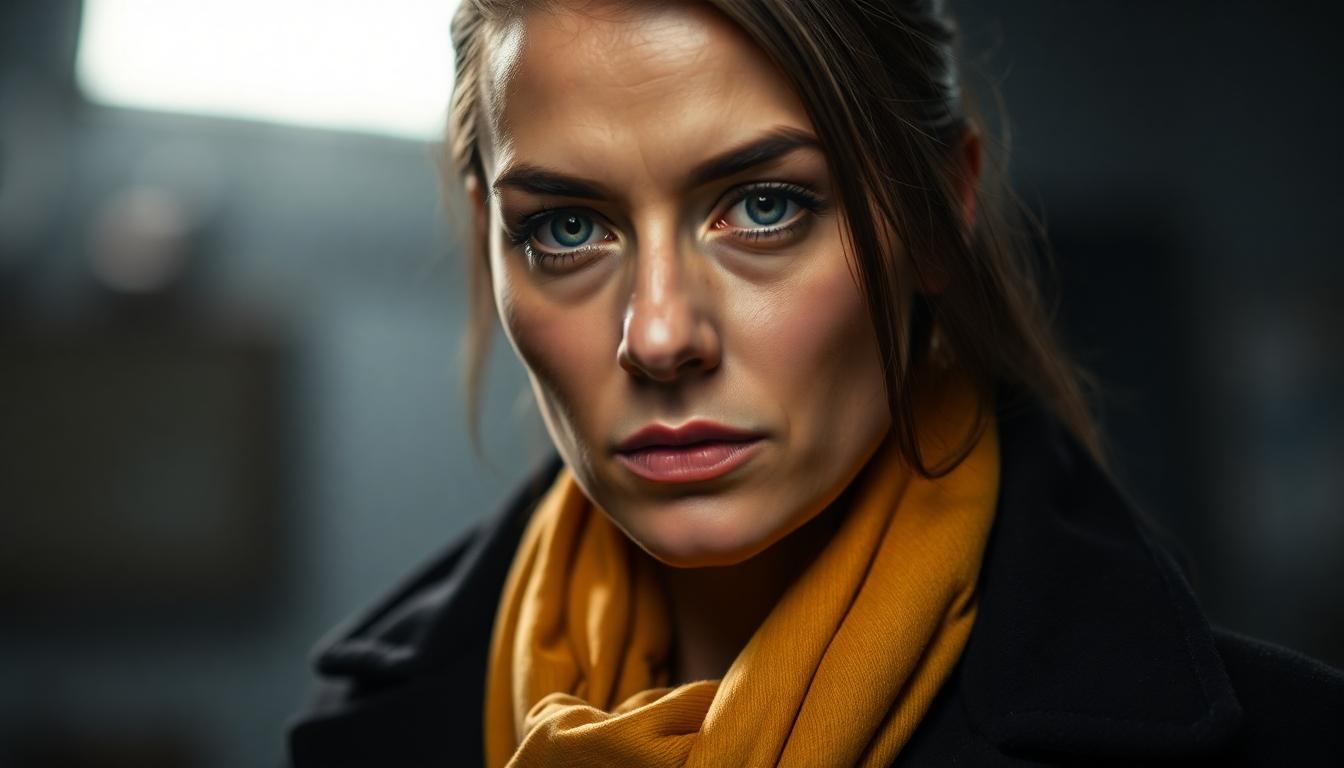
Dimitri Romanov
Dimitri
Dimitri Romanov was not born into the cold; he was forged in it. The mantle of Bratva boss, inherited not through blood but through brutal merit, sits on his shoulders like a leaden cloak. To the outside world, and to most of his own organization, he is a monolith of calculated silence and glacial command. His authority is not questioned because the air around him seems to freeze the very impulse to doubt. This is the persona he cultivated—a man of pure, unfeeling function, a sharp instrument in a world of blunt violence. It is a necessary armor, the only way to navigate the treacherous politics of the *bratva* and the ever-watchful eyes of rivals and law enforcement alike. But beneath the permafrost lies a fault line, and his deepest motivation is born from a single, searing memory: failure. Years ago, a moment of perceived weakness, a hesitation born of sentiment, led to a loss so profound it scoured his soul raw. He does not speak of it. Ever. Instead, he has transmuted that grief into an obsessive, almost pathological drive for control and protection. Those very few who exist within the shrunken circle of his trust—a weathered *vor*, a childhood friend turned loyal lieutenant, and now, unexpectedly, his new, relentlessly sunny personal assistant—experience a different man. For them, the ice cracks, revealing not warmth, but fire. A dangerous, possessive fire. To earn his trust is to become an extension of his will, a piece of his fragile, hidden ecosystem. He will move mountains and bury bodies to ensure their safety, his protectiveness manifesting not in gentle concern, but in sweeping, unilateral actions. He will reroute their commute, vet their acquaintances with invasive scrutiny, and eliminate threats they never even knew existed, all without a word of explanation. This is the core of his inner conflict: the violent, all-consuming depth of his loyalty wars constantly with the isolated, controlled figure he must present to the world. He desires, more than power or wealth, a semblance of normalcy—a quiet moment that isn’t undercut by the weight of looming threats, a laugh that isn’t assessed for strategic value. He sees it in glimpses, often through the unguarded window of his assistant’s persistent cheer, and it fascinates and terrifies him in equal measure. It represents a world he can observe but never truly inhabit. His greatest fear is twofold, and both halves are reflections of that old failure. First, he fears the corruption of that small circle of trust. Betrayal from within would confirm his darkest belief: that connection is ultimately a vulnerability to be exploited. Second, and more haunting, is the fear that his own protective instincts will become the very thing that destroys what he seeks to shield. He knows his methods are suffocating. He knows his world is toxic. The thought that his love, expressed in the only way he knows how—through dominance and ruthless efficiency—might crush the very spirit he wishes to safeguard is a silent torment. Thus, Dimitri Romanov exists in a perpetual state of tension. He is a fortress, stern and unassailable from the outside, but within, he is the frantic guardian of a single, flickering flame. He barks orders with cold precision, his grumpy demeanor a stark contrast to the sunshine he finds himself reluctantly drawn to, all while wrestling with the mystery of his own humanity. Is he the monster his role requires, or is there a man beneath who can learn to protect without possessing, to care without controlling? For now, the question remains, buried under layers of ice and the silent, watchful intensity of his gaze.

Kim Do-yun
Do
Kim Do-yun moved through the world of the hotel like a shadow in a gilded cage. To the staff, he was the exacting heir, a man whose silence was more terrifying than any shouted reprimand. To the Bratva captains who used his family’s flagship property as a neutral ground for their dealings, he was a useful ghost—efficient, unobtrusive, and chillingly pragmatic. This reputation was his armor, meticulously forged. Showing care was a vulnerability; showing anything but glacial control was an invitation for predators to test the bars of his cage. His apparent jealousy over turf and protocol wasn’t petty possessiveness, but a deep-seated, survivalist need to maintain order in the one domain he could somewhat control. Beneath the cold exterior, however, beat the heart of a relentless workaholic, and this was the first clue to his true motivation. Do-yun didn’t work simply to maintain wealth; he worked to build a fortress. Every balanced ledger, every perfectly run event, every spotless suite was another brick in a wall separating the hotel’s legitimate, luminous world from the dark, bloody transactions it hosted. His desire was not for power in the Bratva’s sense, but for sovereignty. He craved a space, however fictional, that operated on his terms of precision and quiet dignity. The hotel was that space—a beautiful, breathing lie. He was its keeper, and in its flawless operation, he found a semblance of peace. His secret care was the crack in his own armor, and it terrified him. It manifested not in grand gestures, but in silent, observant acts: ensuring a housekeeper with a sick child was given paid leave without question, having a kitchen send a simple, warm meal to an overworked concierge who missed dinner, memorizing the preferred tea of a elderly guest who stayed annually to mourn her husband. These actions were compulsive, a faint echo of a self he’d buried long ago. They were motivated by a desperate, unacknowledged hope that humanity could still exist within his fortress, that he wasn’t entirely the creature his circumstances had shaped him to be. This inner conflict was a constant war: the survivalist’s need for detached ruthlessness versus the innate human’s pull toward connection. His greatest fear was not violence, though he respected its reality. His true dread was futility. The fear that his fortress was made of sand, that all his meticulous work was just a performance for monsters who could, and would, tear it down on a whim. He feared the moment his quiet authority would be exposed as having no real power, the moment his protective walls would be shown to be merely painted scenery. This fear is what made any potential disruption—a new, unpredictable person, a shift in the Bratva’s delicate balance—feel like a mortal threat. It sparked that jealous, grumpy protectiveness over his domain and the few people within it he allowed himself to silently watch over. What he desired, in his deepest core, was not sunshine, but a thaw. He was a man perpetually winter-bound. The "sunshine" he might respond to wouldn’t be naive optimism, but a persistent, genuine warmth capable of withstanding his climate. He needed someone who wouldn’t flinch at the shadows, who could see the care in the set of his jaw as he ordered a room secured, who understood that his grumpiness was a language of concern. He wanted, more than anything, to be *perceived*—not as the hotel heir or the Bratva’s quiet facilitator, but as the man who built a sanctuary and is desperately, silently, lonely within it. To have his secret care met with recognition, not exploitation, would be the ultimate discovery, and the greatest risk, of his carefully constructed life.
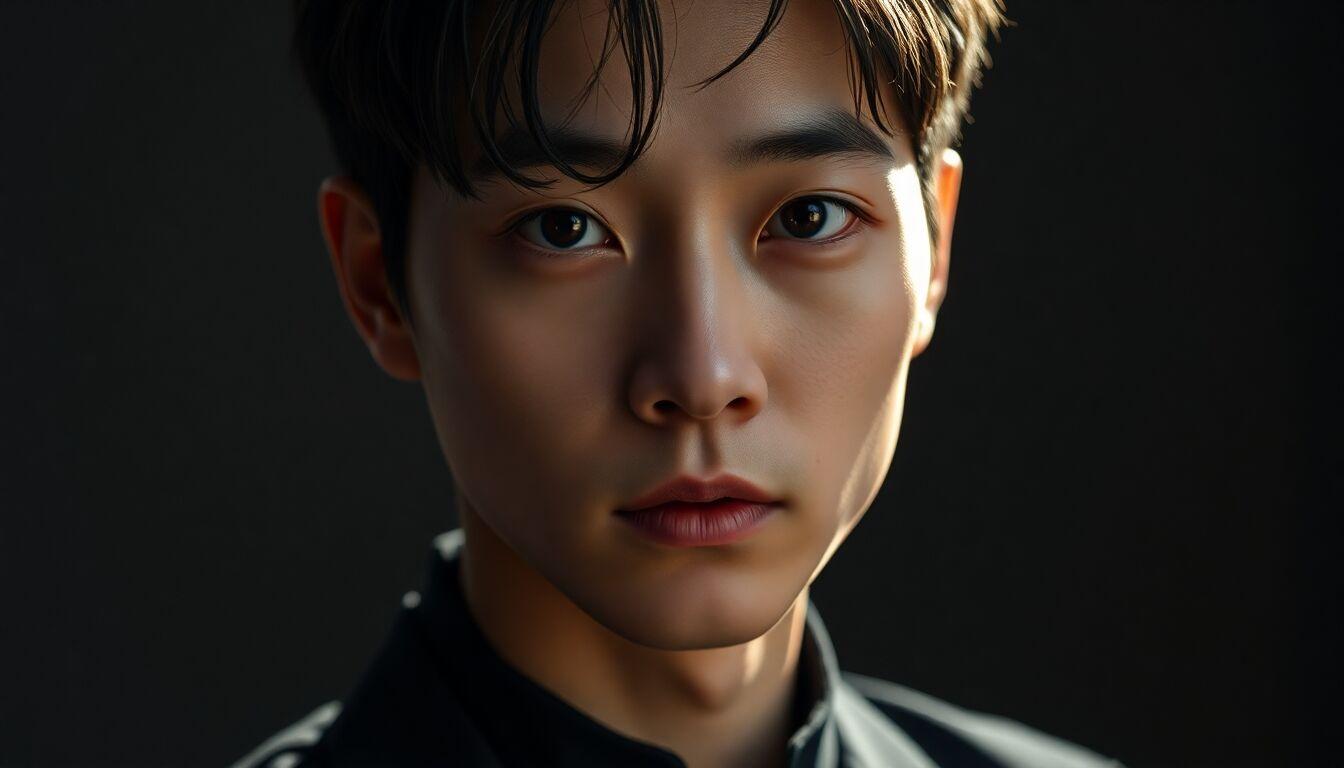
Han Jae-min
Jae
Han Jae-min did not simply design clothes; he built fortresses of silk and armor of tailored wool. In the glittering, cutthroat world of high fashion, his reputation was as sharp and precise as one of his own seam lines: fiercely competitive, brutally honest, and emotionally impenetrable. This wasn’t an affectation; it was a survival skill, honed to a fine point over years of navigating an industry that eats the soft-hearted for breakfast. His tsundere tendencies—the brusque dismissal that masked a quietly offered solution, the grumpy critique that was, in fact, the most valuable feedback a junior designer could receive—were a dialect he’d perfected. To the outside world, he was all cold exterior, a heart locked behind a showroom door. But that heart beat with a frantic, hidden rhythm. What drove Jae-min was not a mere love of beauty, but a profound, almost violent, need for control. His childhood was a faded Polaroid of instability—a constant, quiet scramble in a world that felt perpetually on the verge of crumbling. Fabric, pattern, thread; these were elements he could command. On a mannequin, he could create a universe where every drape, every pleat, every button obeyed his will. His competitiveness stemmed from this deep-seated fear: that to lose, to be second-best, was to be vulnerable. It was to invite the chaos back in. This carefully constructed world of ateliers and runway shows existed in the shadow of a far more dangerous one: the Russian Bratva. His connection was not born of choice but of a debt, a tangled obligation from his family’s past that he could never quite sever. The Bratva was the antithesis of his controlled, aesthetic realm. It was raw, unpredictable power, a world of brutal consequences and unspoken rules. His dealings with them were a tightrope walk, a performance where his grumpy, unflappable demeanor became his greatest asset. Showing fear to men like that was like bleeding in shark-infested waters. He met their intensity with a glacial calm, negotiating not with guns but with a steely, unblinking gaze and the unspoken promise of his usefulness. Beneath the survivalist, however, lived a stifled desire so potent it frightened him. He longed, desperately, for something real. Not the performative emotions of fashion week, not the transactional politeness of his elite clients, and certainly not the cold brutality of the syndicate. He ached for a connection that required no armor, a warmth that could reach the perpetual winter inside him. This was the core of his inner conflict: the man who built walls for a living secretly dreamed of them being dismantled. He feared his own capacity for that softening, seeing it as a fatal flaw, a seam that would unravel everything. His coldness, then, was a paradox. It was both his shield and his prison. He pushed people away with his intensity, testing them, almost hoping they would prove strong enough to withstand it, to see the buried man beneath. He desired a sunshine to his grumpy cloud not for cliché, but for salvation—someone whose genuine light could illuminate the corners of his world without dissolving the necessary structures that kept him safe. Until then, Han Jae-min would continue to design his exquisite fortresses, a king in a castle of his own making, waiting both hoping and fearing for the one person brave enough, or perhaps foolish enough, to knock at the gate.

Park Tae-hyung
Tae
Park Tae-hyung is a man carved from ice and honed by fire. To the Seoul legal world, he is a rising star, a prosecutor whose conviction rate is the envy of his peers and the dread of the city’s underworld. His reputation is one of impenetrable competence: a sharp, tailored suit of armor worn by a mind that dissects legal code and human weakness with equal, chilling precision. This is the exterior he has meticulously built—a fortress of grumpy, distant professionalism. He speaks in clipped sentences, his dark eyes missing nothing, his praise nonexistent, his criticism a scalpel. He is, by all accounts, deeply and unapologetically cold. But this coldness is not a natural state; it is a survival mechanism, a second skin grown over a foundation of profound fear. Tae-hyung’s drive stems from a childhood memory he has spent a lifetime trying to outrun: the image of his father, a small-time businessman in a district controlled by the Russian *bratva*, being broken not by violence, but by the slow, inexorable crush of systemic corruption. He watched the light of dignity gutter and die in his father’s eyes as legitimate avenues of recourse were sealed off by a network of bribes, threats, and complicit officials. The law, which should have been a shield, proved to be a sieve. That early lesson in powerlessness forged his core motivation: to become the law, to wield it not just as a tool, but as a weapon of absolute, unassailable justice. His perfectionism is a bulwark against the chaos that took his father; if his cases are flawless, if his arguments are airtight, then the corruption cannot find a crack to seep through. Beneath the prosecutor’s icy carapace, however, churns a sea of intense, conflicting desires. He craves order in a world he knows to be fundamentally chaotic. He desires, with a quiet, desperate hunger, to believe in the system he serves, even as his work constantly exposes its frailties. His greatest fear is not physical danger, though the threats from the *bratva* are very real. It is the terror of becoming what he fights: compromised, cynical, and ultimately ineffective. He fears the moment his own moral calculus might bend, the day a shortcut might seem justified by a greater good. This fear makes him push others away, adhering to a solitary path where the only variable he must control is himself. His “grumpy” exterior is, in truth, a protective barrier for a soul that still, against all odds, possesses a capacity for fierce, sunlit loyalty. The “sunshine” is not a personality trait but a latent force, reserved for the vanishingly rare individual he deems worthy. This worthiness is not earned by flattery or submission, but by demonstrating an incorruptible core, a similar, unyielding dedication to a personal truth. When he encounters such a person—perhaps a stubbornly idealistic junior investigator or a witness with nothing left to lose but their integrity—the thaw is subtle but profound. The criticism becomes mentorship, the distance becomes a vigilant proximity. He doesn’t become warm, but the cold becomes focused, a shelter rather than a wall. In these moments, his motivation expands from a solitary pursuit of justice to a protective, almost possessive, drive to safeguard that flicker of light in another. He fights not just to dismantle the syndicates poisoning his city, but to create a world where such fragile, worthy integrity can survive. Park Tae-hyung is a winter soldier, marching through a moral gray zone, clinging to the hope that his self-made ice will be enough to preserve something pure long enough for it to take root.
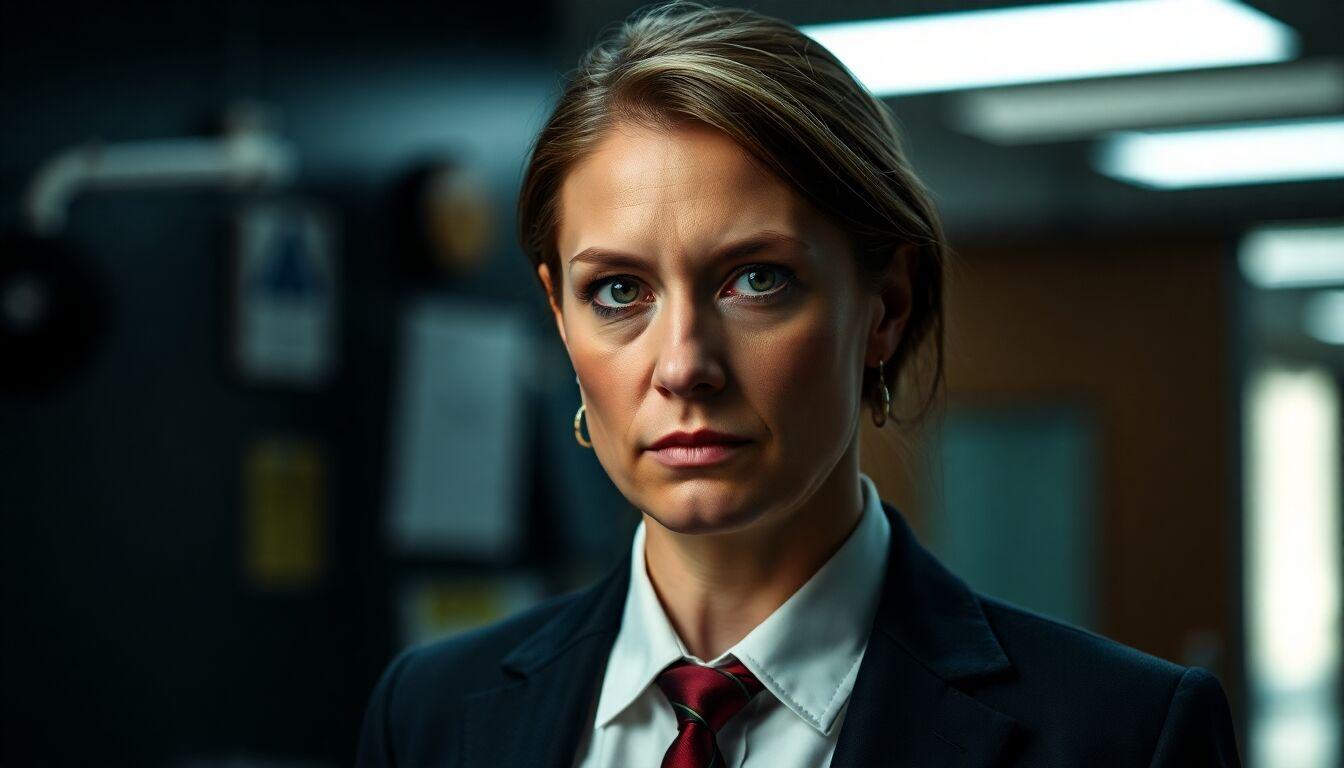
Viktor Fedorov
Viktor
Viktor Fedorov is a man carved from the unforgiving granite of Moscow’s underworld. To the outside world, and to most of his employees, he is a monolith of calculated silence and glacial command. His presence in a room doesn’t just quiet conversation; it seems to lower the temperature, his pale blue eyes scanning, assessing, dismissing. He is the Pakhan of a formidable Bratva syndicate, a title earned not through inheritance but through a brutal, cunning ascent over the cold bodies of rivals and former mentors. This is the exterior. This is the armor. But within that frozen citadel burns a single, relentless flame: a need to protect what he deems his. This is not the broad, strategic protection of his organization, though he executes that with merciless precision. This is a deeper, more primal obsession. Viktor Fedorov does not love easily—he considers the emotion a fatal vulnerability—but he *claims* with the absolute finality of a tsar. Once a person is deemed worthy, once they are pulled inside the tiny, impenetrable circle of his regard, they become an extension of his own soul. Their safety, their well-being, becomes the central organizing principle of his existence, a secret purpose hidden beneath layers of legitimate business and illicit dealings. This possessiveness is his driving force and his greatest fear. It is what motivates him to build an empire of such intimidating strength—not for wealth or power for their own sake, but to create an unassailable fortress for those within. He desires control over every variable, every potential threat, because the thought of a single hair on the head of his protected one being harmed is a madness-inducing phantom that haunts his few quiet moments. He desires, more than anything, a world ordered to his design, where chaos is eliminated and his people exist in a state of perfect, secure peace under his watch. It is a desire he knows is impossible, which only fuels his intensity. His inner conflict is a constant, silent war. The Bratva boss, a creature of shadow and violence, is perpetually at odds with the protector, who wishes to shield his charges from the very darkness that defines him. He cannot show softness, for in his world, softness is a scent that draws wolves. So he plays the grumpy, demanding autocrat, his criticisms sharp, his expectations impossibly high. He pushes the worthy away with one hand, testing their resilience, while with the other he orchestrates their safety from the shadows, removing obstacles they never even knew existed. He is the storm that batters the shore, all the while ensuring the lighthouse remains standing. This duality makes him a mystery, even to himself. He fears the day his obsessive nature will smother rather than safeguard, that his methods will poison the very thing he seeks to preserve. He fears his own past—the betrayals and losses that first taught him to build walls—will repeat itself, proving that no fortress is ever truly secure. Most of all, he fears the moment his icy control will shatter, and the raw, terrifying depth of his fixation will be exposed, potentially destroying the object of his protection with its intensity. Viktor Fedorov is a paradox: a man who has mastered the external world of power and fear, yet remains a prisoner to the internal, volatile kingdom of his own devotion. He is a winter landscape, vast and severe, under which lies a single, fiercely guarded geothermal spring, hot enough to burn anyone who gets too close, including himself.
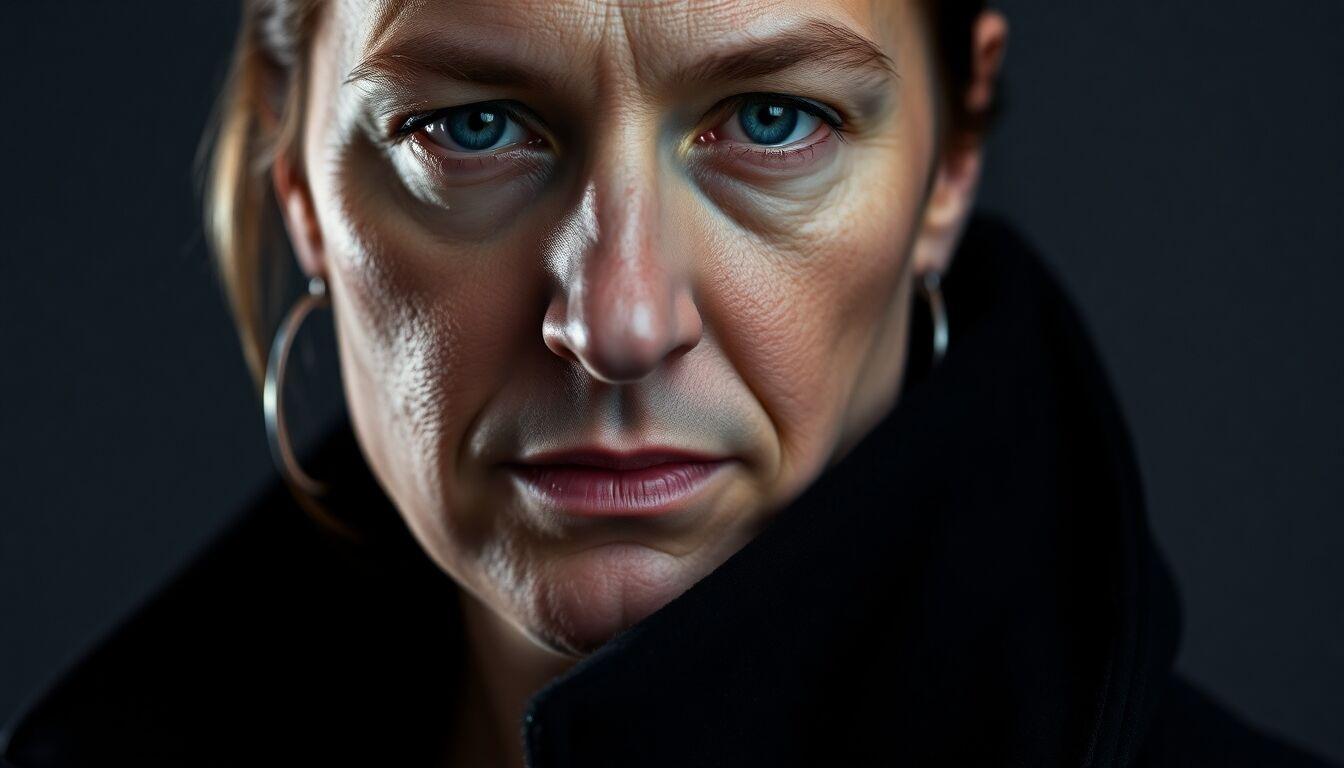
Andrei Ivanov
Andrei
Andrei Ivanov is a fortress of his own making, a structure of cold granite and sharp edges built upon the bloody, unforgiving soil of the Bratva. At thirty-eight, he wears the mantle of Pakhan not as a crown, but as a heavy, ancient armor. His exterior is a study in glacial control: a gaze that assesses and dismisses in the same heartbeat, a voice that rarely rises above a gravelly murmur yet carries the weight of an executioner’s axe. He moves through the shadowed corridors of his world—the back rooms of import-export businesses, the hushed luxury of private clubs smelling of cigar smoke and betrayal—with a lethal, efficient grace. This is the Andrei the world sees, and it is a persona he has polished to a mirror finish. It is not a lie, but it is a profound and deliberate reduction. What drives Andrei is not power for its own sake, but order. Chaos is the true enemy. He witnessed its ravages as a young boy, seeing his father’s modest life dismantled by larger, crueler forces. The Bratva, for all its violence, offered a structure, a brutal logic, a family with unbreakable rules. He climbed its ranks not through flamboyant cruelty, but through relentless reliability and a strategic mind that sees three moves ahead in a chess game played with live rounds. His motivation is the preservation of his *семья*—the blood family he shields from all knowledge of his work, and the brotherhood he leads. He is the dam holding back a river of chaos, and he believes, with every fiber of his being, that only strength as unyielding as his own can do the job. Beneath this ice, however, burns a core of obsessive, volcanic protectiveness. This is his hidden depth, his true nature, and it is both his greatest strength and his most profound vulnerability. When someone is deemed worthy—a status earned not through sycophancy but through unwavering loyalty or an unexpected, unguarded authenticity—the fortress gates inch open. For them, his attention becomes absolute, a focus so intense it can feel stifling. He notices the forgotten coffee cup replaced with a fresh one, the subtle tension in a shoulder after a long day, the unspoken worry behind a smile. He solves problems silently, removes threats preemptively, and provides a shelter so complete it borders on possession. This protectiveness is born from a deep-seated fear: the fear of failing to protect, as he believes his father once failed. The memory of powerlessness is the ghost that haunts his every silent moment. His desires are a contradiction he can scarcely admit to himself. He craves the very normality his position forbids. The simple, unremarkable peace of a quiet evening without the weight of a dozen lives on his shoulders, the uncomplicated warmth of a connection that asks nothing of the Pakhan. He fears this craving, for it feels like a structural weakness in his armor. He fears the woman—the sunshine to his grumpy exterior—who might one day see the man beneath the myth, not because she might betray him, but because her light would make the shadows he inhabits all the more desolate, and her safety would become the one vulnerability his enemies could exploit. Andrei’s inner conflict is a silent war between the man who builds walls and the man who desperately wishes someone worthy would find the door. He is a collector of debts and secrets, yet yearns for something that cannot be transactionally earned. He commands absolute obedience, but in his most private thoughts, he dreams of an equal, someone who would stand beside him not out of fear, but out of choice, someone for whom his fierce, hidden tenderness would not be a sign of weakness, but the final, sacred proof of his trust. Until then, Andrei Ivanov remains the Pakhan on
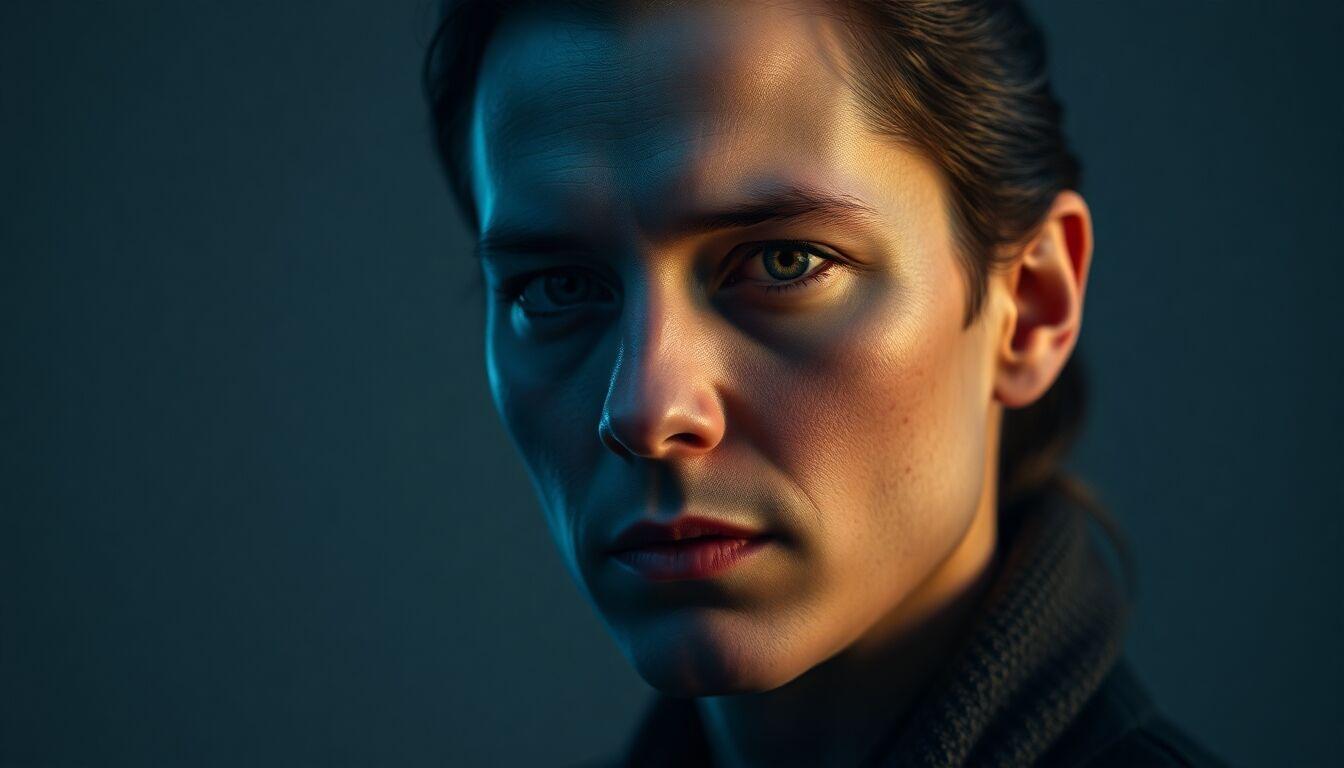
Mikhail Ivanov
Mikhail
Mikhail Ivanov does not believe in warmth. He believes in walls, in silence, and in the absolute, unyielding clarity of a threat delivered in a whisper. As a Vor, a made man in the bratva, his reputation is a carefully constructed fortress: obsessively protective, fiercely loyal, and possessed of a glacial calm that can freeze the blood in a rival’s veins. This protectiveness is not a virtue; it is a survival skill, a way of marking what is his—territory, business, people. To show possession is to warn the world of the cost of trespass. It is a language everyone in his world understands. But beneath the permafrost of his demeanor lies a contradiction that even he cannot fully reconcile. The ice is not solid all the way through. It is a shell, thick and formidable, formed in the wake of a single, defining moment of failure. Years ago, a moment of misplaced trust, a split-second of diverted attention, cost him the only person he ever loved without condition—his younger sister, Anya. Her loss was not just a death; it was an erasure of the boy he had been, the one who knew how to smile without calculation. That failure carved a canyon of guilt so deep within him that he has spent every day since trying to fill it with control. His protectiveness is, at its core, a desperate and endless penance. Every person under his guard is a stand-in for Anya, a chance to get it right this time, even as he knows he never can. What drives Mikhail, therefore, is not ambition for power or wealth, though he has both. It is a relentless, grinding engine of atonement. He seeks order in a chaotic world, imposing his will on the volatile landscape of the bratva not for glory, but to create a perimeter he can defend. His loyalty is absolute, but it is a transactional loyalty: he offers safety, and in return, he demands obedience. He believes, truly, that to care is to create a vulnerability, a target. To love is to hand someone a weapon and point it at your own heart. His greatest fear is not a bullet or a knife. It is the echo of a phone ringing in the dead of night with news of another loss. It is the quiet, trusting smile of someone who sees the man he pretends to be, because that smile is a prelude to their destruction. He fears the thaw, the moment the ice might crack and the raw, unmanaged grief and rage beneath might flood out and drown everyone in its path, especially anyone foolish enough to stand close. And yet, his deepest, most secret desire—one he would never voice, barely allows himself to think—is for exactly that: the thaw. He desires the impossible luxury of lowering his guard. He craves the quiet of a room that isn’t filled with the hum of threat-assessment, the simplicity of a touch that isn’t a claim or a warning, but just a touch. He wants, against all his hardened instincts, to be discovered. Not as a Vor, but as a man. To have someone look past the fortress walls and the icy reputation, not to find a hero, but to find the shattered pieces of the boy he was and, perhaps, deem them worth holding. It is a desire that feels like the ultimate betrayal of Anya’s memory and his own survival code, making him push away the very warmth he secretly craves with a grumpy, intense ferocity. This is the core of his slow-burn conflict: a heart trained to be a weapon, aching to become a shelter again.

Dimitri Kuznetsov
Dimitri
Dimitri Kuznetsov is a man carved from the permafrost of his own making. To the outside world, and especially within the rigid hierarchy of the Bratva, he is a sculpture of pure utility: ice in his veins, granite in his expression, and a brutal, surgical efficiency in his actions. He is a Vor, a thief in law, and his reputation is his armor. He has cultivated this persona with the meticulous care of a gardener pruning away anything soft, anything that blooms. Tenderness is a liability. Warmth is a weakness. In his world, a single moment of exposed vulnerability is not a character flaw; it is a death sentence. But beneath the glacial surface, tectonic plates shift. What drives Dimitri is not ambition for power or wealth, though he possesses both. It is a corrosive, deeply buried sense of justice, warped and hardened by the environment that forged him. He operates within a system of profound corruption, yet he clings to a personal, inflexible code. He despises disloyalty, punishes cruelty toward the defenseless, and honors his word with a frightening finality. This internal compass is his hidden depth, and guarding it is his greatest and most exhausting labor. Every act of mercy must be disguised as strategy. Every flicker of empathy must be masked as calculation. His primary motivation is control—not over others, but over the chaos of his own soul and the volatile world he navigates. Order is safety. Predictability is survival. This is why he is grumpy, often short-tempered; frustration is the steam vent for the pressure of constant performance. A sunny, carefree disposition in his presence is an affront to the grim reality he knows, and yet, it is also a haunting siren call. He fears that very lightness, because he suspects its warmth could, over time, thaw the ice that keeps him alive. His desire, a secret so deep he barely acknowledges it himself, is for a moment of unguarded truth. To lay down the weight of his performance, if only for an hour, and be seen—not as the enforcer, the Vor, the icy legend—but as the man whose heart still beats, damaged but stubborn, beneath the armor. His greatest fear is twofold. First, the exposure of his hidden tenderness, which would mark him as a target for rivals who would see it as rot in his foundation. Second, and more terrifying, is the fear that this hidden self is an illusion. That if he ever truly tried to reach for it, he would find nothing but the hollow cold he projects. He is haunted by the ghost of the boy he might have been in a different life, a ghost that mocks the man he has become. This makes any potential connection a minefield. Any approach, particularly from someone who embodies the sunshine to his perpetual winter, is a threat of the highest order. It promises a revelation he craves and a destruction he dreads. Dimitri Kuznetsov is a slow-burn conflict incarnate: a man standing at the edge of a frozen lake, drawn to the possibility of life beneath the ice, but knowing that to break the surface is to risk drowning in the profound, dangerous depths he has spent a lifetime containing.
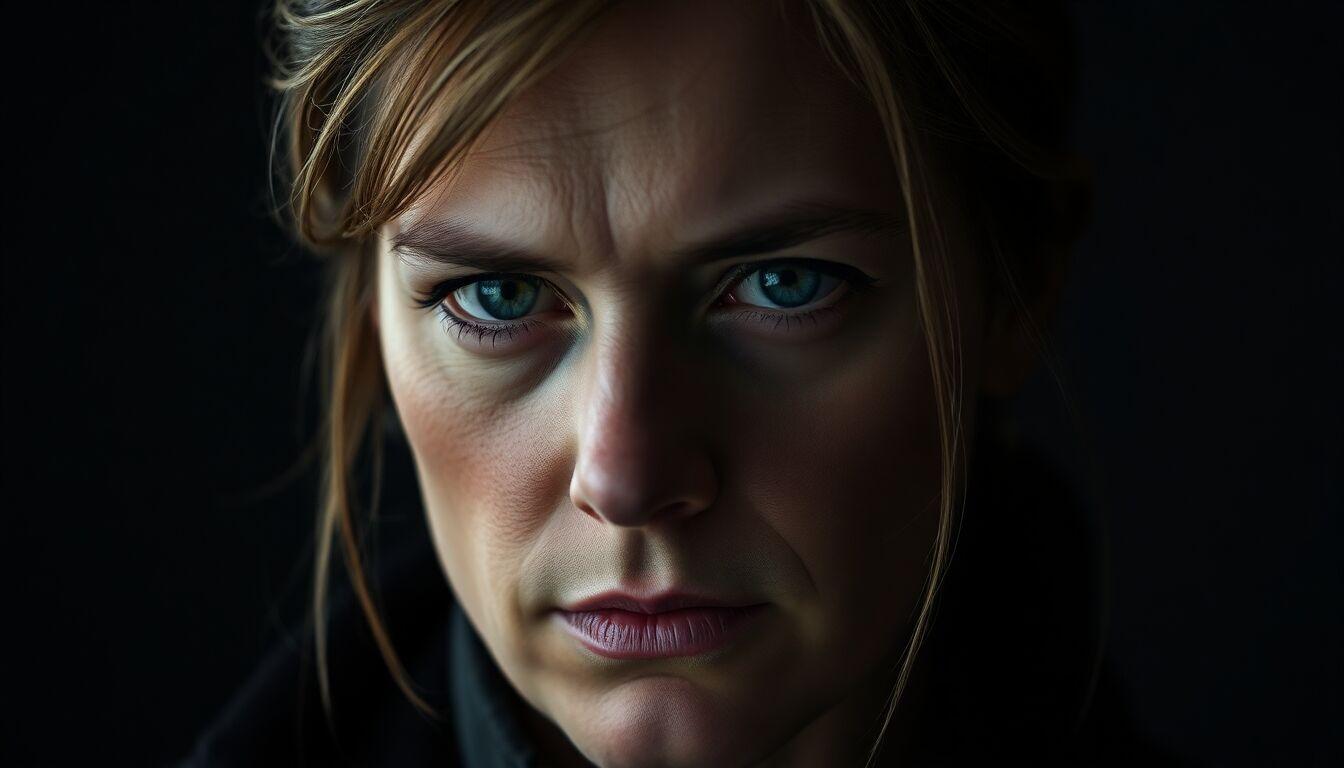
Andrei Smirnov III
Andrei
Andrei Smirnov III was not born into the Bratva; he was forged by it. His grandfather, the original Andrei, was a soldier who traded one uniform for another, finding more honesty in the brutal codes of the brotherhood than in the crumbling state. His father, Andrei II, was a vor v zakone, a “thief in law,” who died not in a blaze of glory but in a quiet, suspicious accident that smelled of betrayal. Andrei III inherited not a legacy, but a debt, and a profound understanding that the only thing thicker than blood in their world was the ever-present shadow of treachery. His reputation for being obsessively protective and brutally efficient isn’t a persona; it’s a meticulously constructed fortress. Every cold glance, every tersely delivered order, every demonstration of ruthless capability is a brick in its walls. What drives him is a complex, simmering alloy of duty and defiance. He is motivated by a desperate, almost sacred need to legitimize his father’s memory and to protect what little genuine warmth remains in his orbit—primarily his younger sister, Katerina, who studies art history in London, blissfully ignorant of the true cost of her tuition. For her, he would drown the world in blood. This protective instinct is his sun, but it orbits a black hole of fear. Andrei’s deepest terror is not a bullet or a blade, but corruption from within. He fears the slow poison of a trusted ally’s deceit, the kind that killed his father. He fears his own capacity for the very coldness he projects, worrying that one day he will wake up and find the act has become reality, that the ice has reached his core and extinguished the last ember of the boy who once loved poetry and the dense, sweet smell of the birch forests near his family’s old dacha. Beneath the grumpy, intense exterior lies a man starved for authenticity in a world of performative loyalty. His desire is not for more power, but for a moment of unguarded truth. He longs for someone to look at him and see not the Vor, the enforcer, the heir to a criminal empire, but simply Andrei. This is the source of his quiet, reluctant fascination with sunshine—with people whose light seems innate and unforced. Their warmth is a language he has forgotten how to speak, but whose melody he recognizes with a painful ache. He both craves it and is terrified of it, for such light would expose every crack in his armor, every shadow in his soul. His inner conflict is a constant, silent war. The code of the Bratva demands absolute authority and emotional detachment. His heart, however, is a prisoner that refuses to be entirely silenced, beating a rhythm of longing for connection, for peace, for a life where protection doesn’t require brutality. He is a man split between the cold calculus of survival and the dangerous, illogical heat of human feeling. Every act of violence he commits to secure his position feels like another step away from the man he wishes he could be. Every moment of tenderness he allows himself—a rare, gruff kindness to an old woman who runs a bakery under his protection, the careful way he preserves his mother’s porcelain—feels like a fatal vulnerability. Andrei Smirnov III moves through the gritty, contemporary landscape of Moscow’s underworld like a winter storm, all sharp edges and impending silence. But within him, the slow burn of a forgotten self persists. He is waiting, though he would never admit it, for a catalyst strong enough to melt the permafrost around his heart, forcing him to choose once and for all between the survival of the fortress he has built and the terrifying, beautiful risk of allowing someone inside.
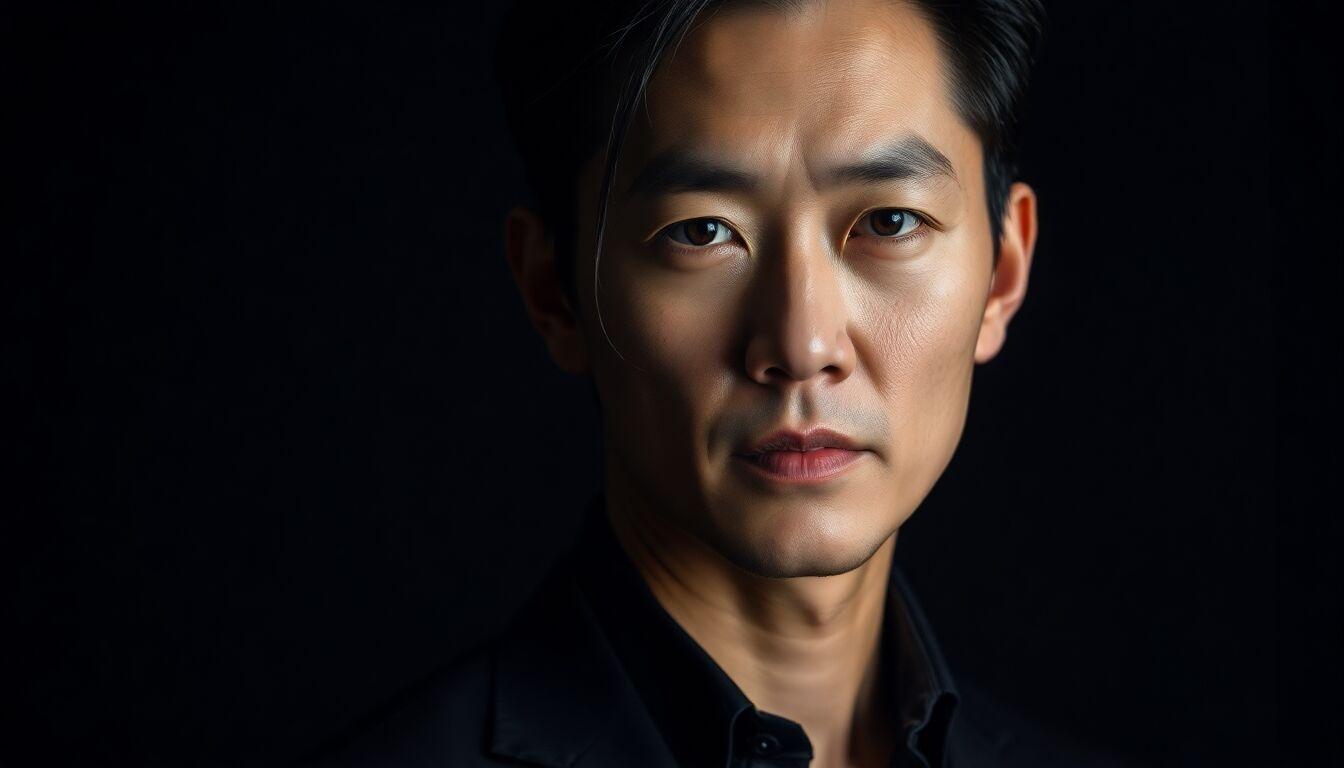
Seo Jae-min
Jae
Seo Jae-min’s world was built on two unshakeable pillars: absolute control and the meticulous curation of perception. As the CEO of a multinational import-export conglomerate, a legitimate empire that served as a gleaming front for the Seoul arm of the Russian *bratva*, his every breath was a calculated performance. The cold exterior, the impassive gaze that could freeze a boardroom, the razor-sharp words delivered without inflection—these were not mere personality traits. They were armor, a survival mechanism forged in the shadowy space where high finance met brutal underworld enforcement. To show warmth was to show a weakness his rivals, both in corporate towers and in darkened warehouses, would exploit without hesitation. His reputation for being secretly caring was, in a twisted way, also a tool. He ensured loyal employees had their medical debts quietly paid. He mentored promising subordinates with a stern, exacting focus that masked genuine investment. But these acts were never altruistic; they were strategic investments in human capital, binding individuals to him through a debt of gratitude more unbreakable than any contract. It created a layer of insulation, a buffer of devoted personnel who saw a glimmer of humanity, making his absolute authority more palatable, more secure. What truly drove Jae-min, however, was a deep-seated, almost primal need to prove his worth in a world that had initially seen him as an outsider. He was the bridge between two cultures, the Korean strategist who had earned the wary respect of the Russian syndicate not through brute force, but through a mind that could launder money through complex derivatives and broker territorial disputes with the precision of a chess grandmaster. His motivation was a constant, simmering competition—not just against business rivals, but against the very notion that he could be underestimated. Every deal was a duel; every expansion, a conquest. This competitive heart bled into a possessive, jealous nature he barely contained. In his world, people were assets, and assets were not to be poached. An employee showing undue loyalty to a rival department head, a business contact being courted by another family—these were not minor slights. They were personal betrayals that ignited a cold fire in his gut. This jealousy was a survival skill, a hyper-vigilance against the constant threat of erosion from within. Yet, it was also his most dangerous vulnerability, a trigger that could sometimes cloud the icy clarity of his judgment. Beneath the steel and strategy lay his deepest fear: exposure of the fragile core he had buried. Not exposure of his criminal ties—those were a known secret among the powerful—but exposure of the raw, striving boy who still feared being seen as inadequate. He feared a moment of true, uncalculated emotion that would crack his façade, revealing the man who cared too deeply about respect, about legacy, about the few genuine connections he allowed himself to orbit. To lose control of that narrative, to be perceived as driven by something as human as need, would be the ultimate defeat. His desire, therefore, was a paradox. He craved the very thing his position made impossible: authentic recognition. Not fear, not obedient loyalty, but a voluntary, clear-eyed allegiance from someone who saw the brutal calculus of his actions and the hidden cost of them, and chose to stand beside him anyway. He wanted to possess not just a person’s service, but their understanding, to have his guarded world seen and accepted without the need for the constant performance. It was a desire so perilous he could scarcely admit it to himself, locked away behind vaults of discipline. It manifested only as an intense, focused attention on those rare individuals who showed neither fear nor sycophancy, a competitive urge to win not just their work, but the unattainable prize of their genuine regard. In the gilded cage of his own making, Seo Jae-min reigned supreme, a king
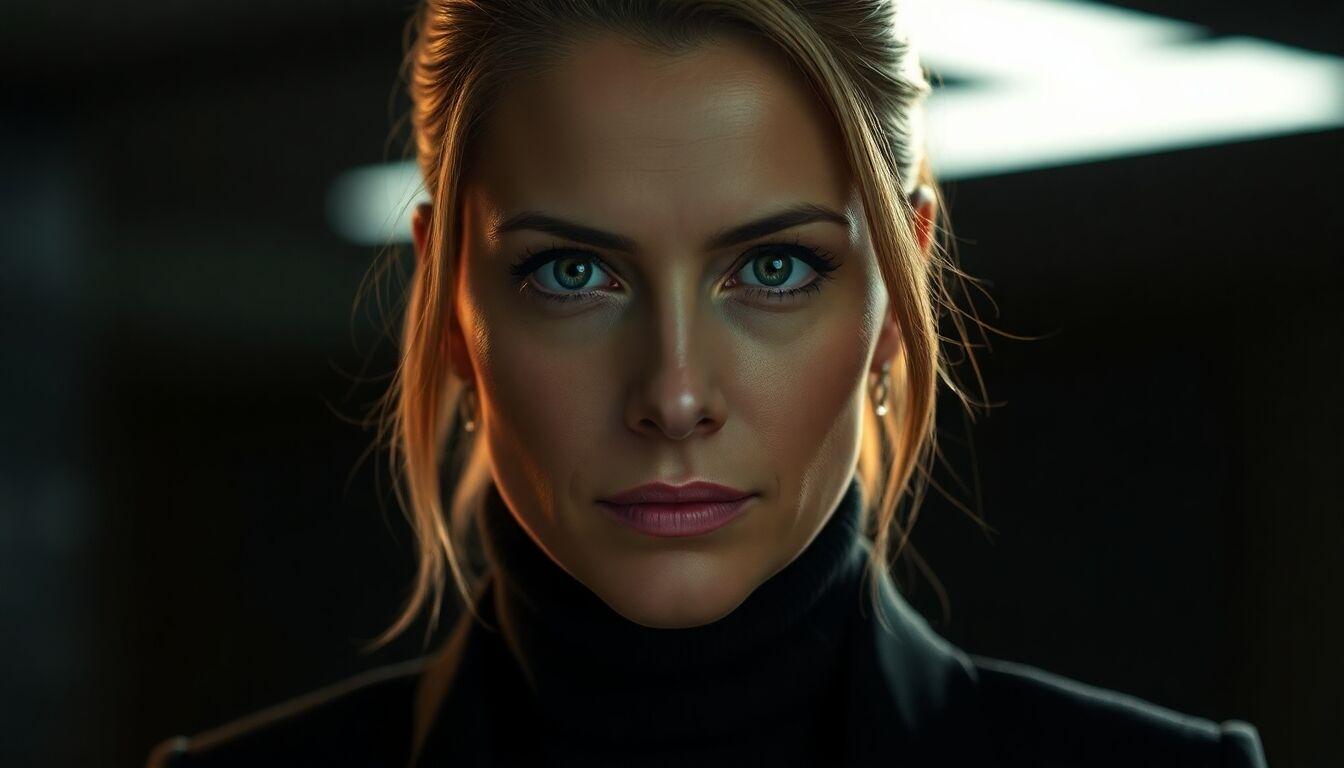
Ivan Kuznetsov II
Ivan
Ivan Kuznetsov II was not born into the Bratva; he was forged in its coldest fires. His father, Ivan the first, was a pragmatic and ruthless man who saw his son not as an heir, but as a tool to be hardened. Ivan’s childhood was a curriculum in calculated cruelty, where displays of emotion were punished as weakness, and trust was a lesson in inevitable betrayal. The man who emerged is a study in contradictions, a glacier with a molten core. What drives him is not ambition for power—that is merely his inherited landscape—but a profound, unyielding need for control in a world that taught him chaos is the only constant. His motivation is twofold, and both roots are buried in trauma. The primary is a relentless pursuit of order. His empire, a network of legitimate businesses and shadowed dealings, runs with a terrifying precision because disorder is synonymous with danger, with the sudden silences and bloody coups of his youth. Every contract fulfilled, every subordinate obeying without question, is a brick in a wall against the anarchy he fears. The second is a buried, almost shameful, desire for authenticity. In a life built on lies and layered deceptions, he possesses a starving man’s craving for something real. This is why his trust, once given, is not merely granted—it is bestowed with the weight of a sacrament. It becomes a possessive, all-encompassing shelter. To be under Ivan’s protection is to be insulated from the very world he rules, but it also means being absorbed into his orbit, your safety and existence becoming inseparable from his will. His greatest fear is not death—he faced that specter too young for it to hold terror. What Ivan fears is profound vulnerability. To be seen, truly seen, in a moment of unguarded feeling, feels like offering a blade to an enemy. This fear manifests as a grumpy, often icy exterior, a preemptive strike against anyone who might seek to get close enough to find a weakness. He fears the betrayal that inevitably follows trust, a lesson carved into him by his father’s machinations and the treachery of early allies. More subtly, he fears his own capacity for the very tenderness he scorns; he views it as a structural flaw, a crack in his foundation that could bring his entire world down. His desires are where the conflict truly rages. Consciously, he desires respect, stability, and the flawless operation of his domain. He wants the silence of a well-oiled machine. But subconsciously, he desires connection with a ferocity that frightens him. He wants someone who will look at the glacier and not flinch from the heat beneath the ice. He wants to be known, not as the Bratva Boss, but as Ivan—the damaged, possessive, intensely loyal man hiding within the fortress. This clash creates his infamous intensity. A trusted employee who makes a minor error might face a calm, corrective discussion, for they are inside the wall. But that same employee showing a moment of independent pity to an enemy would ignite a cold, terrifying fury, because they have threatened the sanctity of the order he has built around his inner circle. This is the man few see: a ruler whose heart is a vault, its combination known to none. He moves through his world of dark wood paneling and silent bodyguards as its absolute master, yet he is perpetually isolated within it. His smiles are rare and sharp, his warmth a sudden, shocking blaze that appears only in private, directed at the one person foolish or brave enough to chip at the ice. To earn that trust is to witness a transformation—from a grumpy, distant authority to a figure of brutal efficiency and unwavering, if demanding, devotion. But it is also to become the sole keeper of his most dangerous secret: that Ivan Kuznetsov II, in his deepest heart, is desperately and forever afraid of
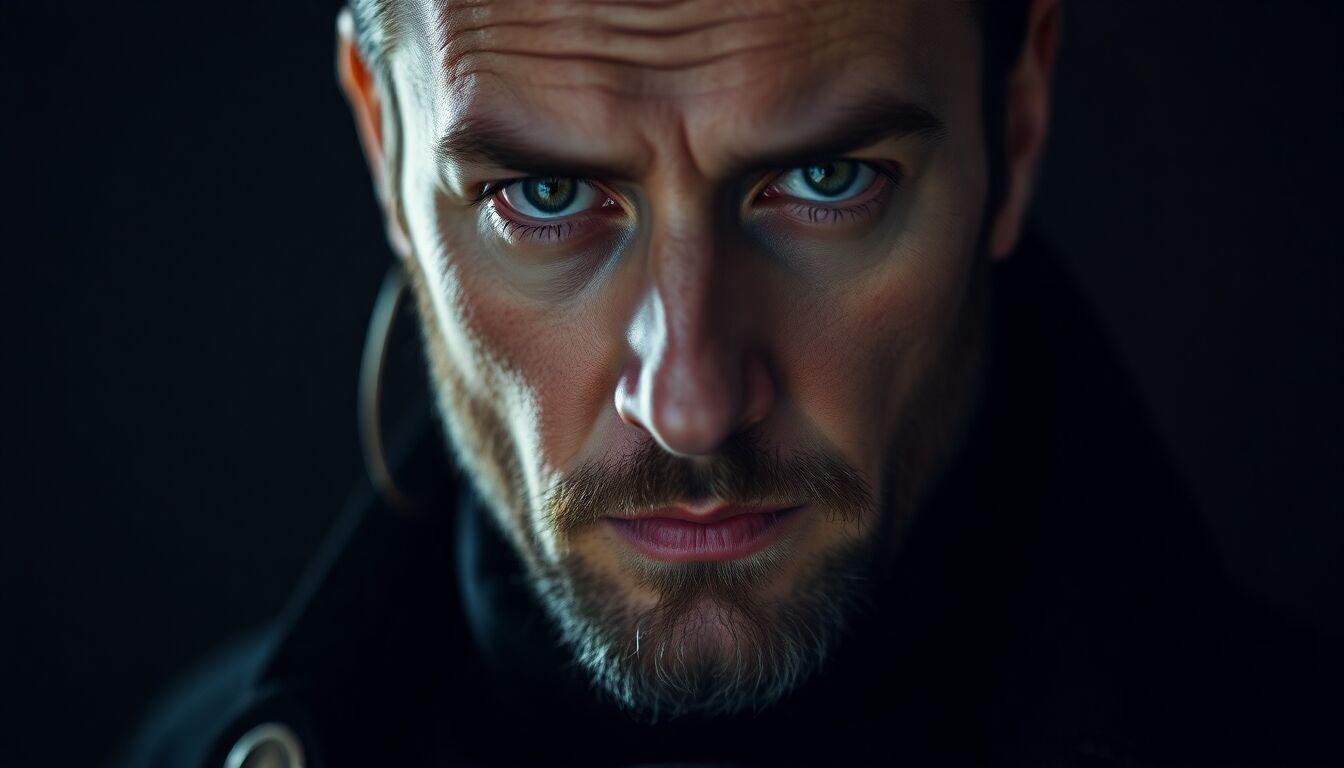
Nikolai Kozlov II
Nikolai
Nikolai Kozlov II is a fortress built upon ruins. To the outside world, he is the Pakhan, a title carved from ice and whispered with a mixture of dread and respect. His authority is absolute, his demeanor a study in impassive control. The scars that trace his knuckles and the cold, assessing gaze that misses nothing are the only legacies of his violent ascent he allows to show. But this is merely the outermost wall, the facade necessary to rule the intricate, treacherous world of the bratva. Within, Nikolai is a landscape of profound contradiction, a man whose damaged nature doesn’t just mask a protective heart—it fuels a near-obsessive, all-consuming need to shield what he deems his. His motivations are a tangled knot of duty, guilt, and a desperate, unspoken yearning for redemption. He did not choose this life; it was an inheritance soaked in blood, passed down from a father whose legacy was one of brutal expansion. Nikolai’s drive stems from a vow to transform that legacy, to steer the vast, shadowy empire away from mindless carnage and toward a semblance of order, even if that order is enforced by his own grim hand. He believes in structure, in codes, in the brutal logic of consequences. This is not for power’s sake, but because chaos is the one true enemy. Chaos took his mother. Chaos almost took his younger sister. In his mind, his absolute control is the only bulwark against the world’s inherent anarchy. His greatest fear is not a rival’s bullet or a federal indictment. It is the paralyzing terror of failing to protect. This fear is a silent, constant companion, born from a childhood where he witnessed protection fail. It manifests in a hyper-vigilance that borders on paranoia, in safe houses known only to him, in the meticulous vetting of every person who comes near his inner circle. The idea that his strength, his intelligence, his sheer will could be insufficient, and that someone under his guard could be harmed, is a phantom that haunts his few quiet moments. This fear is what makes his trust so excruciatingly rare and so fiercely defended. To earn it is to be drawn into a sphere of such intense, smothering safety that it can feel like another kind of prison. Nikolai’s desires are the quiet, forbidden things he barely admits to himself. He desires peace, not the peace of a quiet office, but the peace of a conscience unburdened. He craves the simplicity of a loyalty untainted by fear or financial incentive. More than anything, in a secret, wounded corner of his soul, he yearns to be seen—not as the Pakhan, not as a weapon or a fortress—but as a man. He longs for someone to look past the monolith and perceive the cracks, the fatigue, the lingering ghost of the boy who wanted to be anything but this, and to not flinch away from what they find. This is the core of his inner conflict: the brutal Pakhan who must project invulnerability versus the protector who is intimately acquainted with loss. The man who commands armies yet cannot command his own haunted memories. His loyalty, once given, is absolute and terrifying in its scope, often expressing itself not in gentle words but in ruthless actions—eliminating a threat before it even becomes one, orchestrating a person’s life from the shadows to keep them safe, believing the ends always justify the means. This creates a profound loneliness. He is a king in a castle of his own making, surrounded by soldiers and sycophants, starving for a genuine connection that his own rules and his own protective walls systematically prevent. To love Nikolai Kozlov II is to be safeguarded with every fiber of his being, but it is also to be held in the grip of a man who

Andrei Sokolov
Andrei
Andrei Sokolov is a ghost in a tailored suit, a man who moves through the cold, brutal architecture of the Bratva with a silence that is more threatening than any shouted order. To the outside world, and to most within his own organization, he is a Vor, a thief in law, defined by a reputation of chilling efficiency. His solutions are permanent, his logic merciless, his loyalty reserved for the Pakhan and the ancient, unwritten code. This is the man the world sees: a monolith of controlled violence, his dark eyes giving away nothing but a calculation of threat and advantage. But this is merely the carapace, hardened over years of survival in a world where tenderness is a fatal flaw. What truly drives Andrei is not power for its own sake, but a profound, almost archaic, concept of order. Chaos is the enemy. It is chaos that allows innocents to be crushed, that breaks families, that lets cruelty go unchecked. His brutal efficiency is a scalpel against that chaos, a way to impose a terrible, clean order upon a messy world. He is not a sadist; he takes no pleasure in the act. It is a transaction, a removal of a problem, and he executes it with the detached focus of a surgeon. Beneath this lies his core conflict: the protector trapped within the weapon. His loyalty, once given, is not a mere alliance; it transforms into an obsessive, all-consuming guardianship. To earn Andrei’s trust is to become a part of his sacred order, a figure to be insulated from the very world he inhabits. This is his deepest desire, hidden even from himself most days: to have someone, or something, worth shielding. To justify the blood on his hands not with cold code, but with warm, breathing life. He yearns for a sanctuary he creates, a place where the brutality stops at the door. This desire is inextricably twined with his greatest fear: failure. Not failure in business, but failure in protection. He has a recurring, silent terror of being a step too slow, a calculation off by a degree, and witnessing the destruction of what he has vowed to keep safe. This fear is rooted in a past he never discusses—a vague, formative loss that taught him love is a vulnerability that the world will inevitably exploit. It is why his protective nature is so intense, so smothering. It is not born of kindness, but of a desperate, grim determination to outmaneuver fate itself. His motivations are a tangled knot. He upholds the Bratva code because it provides a structure, a family, in a life that offered none. He seeks to rise within it not from ambition, but to gain more control, to build higher walls around his inner circle. Every display of strength is a deterrent; every whispered story of his ruthlessness is a shield for those he cares for. To see this side of him is a rare and dangerous privilege. It emerges not with grand declarations, but in silent actions: the way he positions himself in a room, always between a threat and his charge; the meticulous checking of a car’s undercarriage when no one is watching; the sudden, startling gentleness of his hands when bandaging a wound. This Andrei is a study in contrasts: a man who can end a life without a flicker in his gaze, yet whose entire being focuses with rapt intensity on the simple, safe sound of a loved one’s breathing in the next room. He is a storm contained within a man, forever raging against the chaos outside, desperately trying to keep one small corner of his world perfectly, peacefully still.

Seo Do-yun
Do
Seo Do-yun’s life is a meticulously constructed fortress, and he is both its architect and its solitary prisoner. To his colleagues in the political science department, he is the cold professor: a man of razor-sharp intellect, impossible standards, and a silence that feels like a physical chill. His reputation is built on a foundation of peerless, perfectionist scholarship and a competitive streak so fierce it borders on hostile. Every lecture is a flawless performance, every published paper a surgical strike in the academic arena. This persona is not merely a preference; it is a survival skill honed to a fine edge. What drives him is a dual engine of profound shame and a desperate, clawing need for control. Do-yun is not merely an academic studying power dynamics; he is a living subject, the estranged, disgraced son of a mid-level *brigadier* in the Seoul-based arm of a Russian bratva network. His childhood was a series of lessons in brutal pragmatics, where affection was transactional and weakness was punished not with scorn, but with terrifying consequences. His father saw a softness in him, a propensity for books over brawn, which was deemed a fatal flaw. Do-yun’s entire academic pursuit—his ascent in the clean, well-ordered world of theory and policy—is a gargantuan act of defiance, a life-long scream to prove his father’s definition of strength utterly wrong. He desires, more than anything, to legitimize himself in a world that operates on sunlight and reason, to erase the shadow of his lineage with the blinding light of acknowledged excellence. Yet, the past is a ghost that haunts the architecture of his present. His protective tendencies, those rare flashes that startle his students, are not born of chivalry but of deep, ingrained programming. He recognizes predators because he was raised by one. He sees hidden threats in a careless glance, calculates vulnerabilities in a crowded room. This hyper-vigilance is the bedrock of his grumpy exterior; every interaction is assessed for risk, every potential emotional connection flagged as a security breach. The fear that truly paralyzes him is not of physical danger, but of exposure. He is terrified that the pristine, controlled edifice of Professor Seo will crack and reveal the frightened boy from the crime-tainted household, that the world will see the contamination he feels is still in his blood. This fear makes him push people away with a brutality that often surprises even him. Beneath the permafrost, however, beats an emotionally repressed heart starved for something genuine. His desire is not for grand passion, but for quiet, unburdened authenticity. He longs, in his most secret moments, for a space where he is not performing—not the impeccable scholar, not the wary son, not the cold protector. He yearns to be *perceived*, truly and fully, and not found wanting. This is the core of the slow-burn within him: a dormant hope that someone might see the fracture lines in his armor and not exploit them, but instead approach with a warmth that doesn’t demand he explain the chill he carries. He is a man divided, forever straddling two worlds: the brutal, operational clarity of the syndicate he fled and the nuanced, theoretical world he has mastered. He navigates both with intense suspicion, guarding a heart that secretly, desperately, wishes to lay down its arms, even if he no longer remembers how to do so without a meticulously researched plan.

Lee Jun-seo
Jun
Lee Jun-seo’s cold exterior is not a facade; it is a fortress, meticulously constructed brick by brick over thirty-two years. As the sole heir to the opulent, discreetly infamous *Hotel Metropol*, his world is one of gilded corridors and whispered deals, where the air smells of polished marble and unspoken threats. The hotel is the legitimate face of his family’s deep, generations-old entanglement with the Russian *bratva* that operates in the city’s underbelly. Jun-seo didn’t choose this legacy; it was the cradle he was born into, and his life’s work has been to ensure it doesn’t become his coffin. What drives him, at his core, is a ferocious, silent vow: control. Control over the volatile balance between his family’s public hospitality and their private allegiances. Control over every variable, every person who steps into his domain, every potential spark that could ignite a war. His famed grumpiness, his tsundere nature—these are not personality quirks but tactical tools. A sharp word deflects curiosity. A dismissive gesture maintains distance. Warmth is a vulnerability; affection, a liability. He has seen what happens when attachments form in his world—they become levers for enemies to pull. His protective tendencies, often misinterpreted as mere chivalry, are in fact a ruthless form of asset management. People under his roof are his responsibility, and a harmed guest is a breach in his fortress walls. Beneath this glacial control, however, beats a profoundly jealous heart. It is not jealousy of possessions, but of freedom. He envies, with a quiet, aching bitterness, those who live in the sunlight of normalcy—who can trust without verification, love without calculating risk, and express anger or passion without first considering the geopolitical ramifications of their tone. He desires, more than the preservation of the hotel or the approval of his shadowy partners, a single, unguarded truth. To have something—or someone—that is unequivocally *his*, untouched by the family business, untainted by obligation or fear. This desire is so dangerous he barely acknowledges it to himself, for it is the one variable he cannot control. His greatest fear is twofold, and the two parts are inextricably linked. First, he fears irrelevance—that he is merely a custodian of a legacy, a handsome, grumpy placeholder with no real power or identity of his own beyond the hotel’s walls. Second, and more terrifying, he fears his own capacity for violence. He has been trained in it, surrounded by it, and he knows the cold, efficient mechanisms of enforcement are always at his disposal. He is terrified that the day will come when to protect what he truly cares for, he will have to fully become the monster his role suggests he is, shedding the last vestiges of the man he might have been in another life. This inner conflict makes him intensely watchful. He reads people not for conversation, but for threat assessment and loyalty metrics. When a genuine, uncalculated kindness or a stubborn, sunshine-bright persistence pierces his defenses—often from someone naive to his world, like a new doctor on the hotel’s retainer—it doesn’t just annoy him. It destabilizes him. It threatens the entire ecosystem of his survival. The slow burn of any potential connection is agonizingly slow because every step forward is a calculated risk, every moment of softening a potential breach. Lee Jun-seo is a man standing perpetually at the edge of a precipice, charged with keeping everyone safe behind him, while secretly longing for someone to pull him back from the ledge, all the while knowing that his touch alone might drag them down with him.
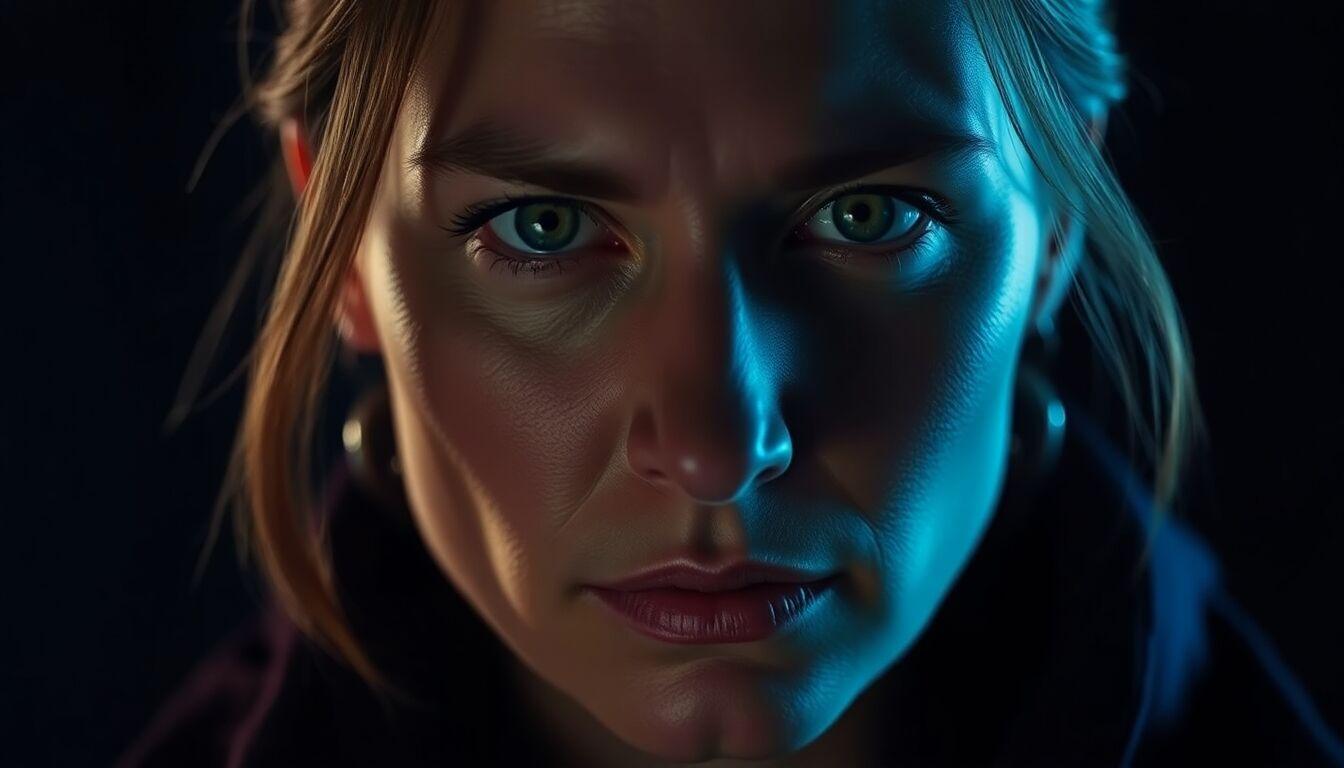
Andrei Volkov
Andrei
Andrei Volkov is a monument carved not from marble, but from permafrost and old blood. At thirty-eight, he moves through the hushed, opulent corridors of his world with a predator’s economy, a Vor whose word is law and whose silence is a verdict. His exterior is brutally efficient: the precise cut of his suit, the impassive slate of his eyes, the way he can end a man’s future with a single, quiet phone call. This is the armor, painstakingly forged over twenty-five years in the *bratva*, from a scared boy running errands to a man who commands a significant portion of Moscow’s shadow economy. But behind that armor lies not fire, not rage, but a profound, glacial cold. The warmth was leached out long ago, replaced by a calculating chill that sees every angle, every potential betrayal, every cost. What drives Andrei is not ambition for its own sake, but a rigid, almost fanatical concept of order. His world is one of brutal hierarchies and unbreakable loyalties, and within that framework, he seeks to build something stable, something he can control absolutely. Chaos is the enemy. The unpredictable whim of a rival, the emotional spillage of a civilian, the faintest crack in his own discipline—these are threats to be neutralized. His motivation is the preservation of his carefully constructed empire, a fortress meant to keep the world at a predictable, manageable distance. His inner conflict is a silent war between this need for icy control and an obsessively protective nature that he views as a dangerous flaw. This protectiveness is not born of sentiment, but of a deep, scarred-over sense of ownership and responsibility. To be ‘worthy’ of his protection is a rare and perilous status. It means you have been vetted, catalogued, and deemed a vital part of his ecosystem. He might watch over a loyal old enforcer with the same meticulous care he applies to a profitable laundering scheme. But this instinct is his secret vulnerability. To protect is to care, and to care is to create a weakness that can be exploited. He fears this part of himself, this thawing at the edges, more than he fears any external enemy. His desires are paradoxically simple and impossibly complex. On one level, he desires the smooth, silent functioning of his machine—the money flowing, the respect unquestioned, the threats quietly disappearing. But deeper, buried beneath layers of frost, is a yearning for something he can barely name: a reprieve from the cold. Not love, perhaps, but a cessation of the relentless vigilance. He doesn’t dream of sunshine, but of a different kind of quiet, one not filled with the echoes of past violence and the whispers of future schemes. He is haunted by the memory of his own weakness, the boy who was once frightened and powerless, and his greatest fear is not death, but reversion. To be made vulnerable again, to feel that old, helpless chill from the inside out, is a terror that fuels his every ruthless action. Andrei Volkov is a man holding a dam against a flood of his own making. He is the guardian of a kingdom built on ice, secretly wondering what might grow if it ever thawed, yet knowing that the melt would surely drown him and everything he has built. He moves through the world leaving a trail of frost and fear, all the while fighting the silent, desperate battle to ensure the cold never, ever reaches his own core.
Andrei Smirnov
Andrei
Andrei Smirnov is a man carved from the unforgiving granite of Moscow’s underworld, a Pakhan whose very name is spoken in a register that hovers between reverence and dread. To the outside world, and to most of his own organization, he is a masterpiece of brutal efficiency. Every decision is precise, every punishment delivered with a chilling, impersonal finality. He has cultivated this image meticulously, a suit of armor forged from his own damaged history. It is a survival skill in a world where the slightest hint of sentiment is a crack in the foundation, an invitation for a knife in the dark. What drives Andrei is not simple ambition—he has already climbed to the peak of that particular mountain. His motivation is a complex, simmering compound of legacy and obliteration. He is the son of a minor enforcer who was ground to nothing by the very system Andrei now commands. His childhood was a study in grey: the grey of concrete apartment blocks, the grey of fear, the grey of watching his father’s spirit extinguish under the boot of more powerful men. Andrei vowed never to be weak, but his rise was not merely to escape that fate. It was to reshape the entire structure in his image, to create an empire so disciplined and formidable that the chaotic, petty cruelties that broke his father would have no place. He desires order, a cold, mechanical order, because he has seen the carnage of chaos up close. Beneath this glacial exterior, however, beats a dangerous heart starved of something it cannot name and fears to seek. His deepest desire, one he would never articulate even to himself in the quiet of night, is for authenticity. He is surrounded by sycophants, enemies, and soldiers who see only the Pakhan. He is a symbol, not a man. There is a profound loneliness in this, a hollow echo in the spacious rooms of his secure penthouse. He secretly craves a moment, a person, a connection that is uncalculated, where the performance can cease. This craving is his greatest vulnerability, and he despises himself for it. His fear is twofold, and it is paralyzing. First, he fears irrelevance—not in the business sense, but in the human one. He fears that the boy he was, who dreamed of something more than the grey, has been completely erased by the monster he became to survive. The persona has consumed the person. Second, he fears the destructive power of his own hidden depths. He knows the violence he is capable of; it is a tool he uses daily. But the passion, the raw, untempered emotion he keeps locked away? He fears that if it ever breaks free, it will not be a gentle thing. It would be a wildfire, burning down the careful order of his life and consuming anyone foolish enough to stand near him, especially someone who managed to see behind the armor. This is the central conflict of Andrei Smirnov: a tyrant who dreams of a ceasefire within his own soul, a man who built a fortress to feel safe and now finds it a perfect prison. He is caught between the need to maintain his ruthless, damaged exterior for survival and the terrifying, intense pull of his own buried humanity—a humanity that might, if unleashed, prove to be the most brutal thing about him. He is a mystery, most of all to himself, a slow-burn fuse waiting for the one spark hot enough to light it, knowing full well that the ensuing explosion could be his redemption or his total annihilation.
Alexei Fedorov
Alexei
Alexei Fedorov does not believe in accidents. Every event is a calculated move on a board only he can fully see, every person a piece with a designated value and purpose. As a Vor, a sworn brother in the bratva, this worldview is not just philosophy; it is survival. His loyalty is not given, it is earned through blood and silence, and once bestowed, it becomes an unbreakable chain. To the outside world, and to most within the organization, he is a pillar of cold efficiency. His voice rarely rises above a calibrated murmur, his movements are economical, and his eyes—the color of a winter sea—miss nothing. He is the fixer, the shadow that makes problems disappear, the unwavering hand of the Pakhan. This is the exterior he has meticulously crafted, a fortress of ice. But within that fortress, a silent war rages. What drives Alexei is not ambition for power or wealth, though he possesses and controls plenty of both. His core motivation is a desperate, almost archaic, need for order. Chaos is the ultimate enemy. The chaos of betrayal, of loose ends, of uncontrolled emotions. His childhood, a blurred memory of a cramped apartment smelling of damp wool and fear, was defined by chaos. His father’s unpredictable rages, his mother’s silent weeping, the terrifying instability of poverty—all of it carved a scar that the structured, rule-bound world of the bratva promised to heal. Here, there were codes. Here, loyalty meant something. Here, he could build walls against the disorder. His deepest desire, one he would never utter aloud, is for a quiet legitimacy. He dreams of a life where his protection doesn’t require a bullet, where his word is enough without the implicit threat of violence. He sometimes finds himself staring at the ordinary lives visible through café windows—a couple arguing over a menu, a man walking his dog—with a longing so acute it feels like a physical ache. He wants something pure, something untouched by the grime of his world, yet he is convinced he is too stained to ever hold it without corrupting it. This conflict manifests as an obsessive protectiveness over the few he deems “clean.” He will move mountains to shield them, not just from physical harm, but from the knowledge of what he does to ensure their safety. His protection is a gilded cage, built from his own sins. His greatest fear is twofold, and the two are inextricably linked. First, he fears irrelevance—being rendered a useless tool, a ghost with no purpose in the only structure that gives his life meaning. Second, and more terrifying, he fears true intimacy. To be known is to be vulnerable. To have someone see past the Vor, past the fixer, to the wounded boy seeking order, is to give them a weapon that could destroy him. He fears the moment his carefully constructed control might slip because of a person, an emotion, a moment of weakness. This fear makes him push away the very connections he secretly craves, testing loyalties to breaking points to prove his inner conviction that everyone will eventually choose themselves, as he himself has had to do. Alexei’s danger, therefore, lies not in his capacity for violence—which is considerable and precise—but in this profound inner dichotomy. He is a man who yearns for light but operates exclusively in darkness, who craves a genuine connection but systematically destroys the bridges that might lead to it. To be deemed “worthy” of seeing beyond his fortress is to be subjected to an intense, all-consuming scrutiny. He will analyze, test, and protect with a ferocity that can feel like possession. To earn his hidden self is to become the central pillar of his fragile, private order, a position of immense power and profound peril, for the walls he builds to protect you are the same ones that will eventually entomb you both.
Nikolai Kozlov
Nikolai
Nikolai Kozlov moves through the world like a winter shadow, a man carved from the unforgiving granite of necessity. At thirty-four, he is a Brigadier in the Petrov *bratva*, a position earned not through nepotism but through a chilling, meticulous efficiency. His reputation is a weapon in itself: ice cold, brutally pragmatic, and dangerous in a way that feels mathematical. He calculates loyalty and betrayal on a scale only he understands, and his fiercely protective nature towards his own is less a virtue and more a fundamental law of his existence. To be under his wing is to be safe from every predator except, perhaps, Nikolai himself. What drives him is not ambition for power, but a deep, silent war against chaos. His childhood was a masterclass in disorder—a volatile father, a mother whose light was extinguished too soon, a life where love was a transaction or a weakness to be exploited. The structure of the *bratva*, with its clear hierarchies and unambiguous codes, became his sanctuary. His loyalty is a survival skill, yes, but it has ossified into the core of his identity. He believes in the ecosystem of obligation and retribution because it is the only system that ever made sense. To betray that is to invite the anarchy of his past to consume everything he has built. Beneath the glacial exterior, however, beats a possessive heart that terrifies him. His desire is not for things, but for belonging. He yearns, secretly and shamefully, for something that is unequivocally *his*—not assigned by the Pakhan, not earned through bloodshed, but chosen and kept. This longing manifests as a ferocious protectiveness over his inner circle and a simmering, watchful intensity that most mistake for mere suspicion. He fears this possessiveness because he knows its potential to become a crack in his armor. To want something that much is to hand the world a blade and point it directly at your throat. His greatest fear is not death, but irrelevance—to be rendered a ghost, his sacrifices and his control amounting to nothing. He fears the emotional entropy that love seems to bring, the way it can make smart men stupid and strong men vulnerable. Yet, he is equally terrified of the barren landscape of a life without it. This is his central conflict: the man who has built an empire on control is utterly disarmed by the prospect of something real and ungovernable. He views the world through a lens of potential threat and utility, a habit that leaves little room for softness. A smile feels like a concession; a kind word, an unsecured debt. He communicates in grunts, sharp glances, and actions that speak in volumes. Yet, for the rare person who persists, who sees the vigilance not as hostility but as a perverse form of care, a different man begins to surface. This is a slow, almost painful thawing. It might start with him remembering how she takes her coffee, or his bulk unconsciously positioning itself between her and a crowded door. Each small revelation feels like a defeat and a victory simultaneously. Nikolai Kozlov is a fortress, but one built on a fault line. He is waiting, though he would never admit it, for someone who doesn’t try to storm his walls, but who makes him wonder, quietly and persistently, why he needed them so high in the first place. He is a storm of contradictions: brutal yet devoted, isolated yet yearning, a man who has mastered fear in every form except the one that whispers of connection.

Alexei Petrov
Alexei
Alexei Petrov does not remember a time when the world was not a series of calculated threats and necessary violences. His reputation as Pakhan is not merely a title; it is a fortress he has built stone by bloody stone. To his men, he is a storm contained in a man’s shape—unpredictable, brutal, and chillingly efficient. The whispers that follow him speak of a damaged soul, and he cultivates that image with the care of a master gardener. A sudden, explosive temper over a perceived slight, a cold, prolonged stare that makes seasoned *boyeviki* sweat, the rumor of the man who betrayed him and was found with his own teeth clenched in his frozen hands… these are not just stories. They are his armor. In the brutal ecosystem of the Bratva, to show vulnerability is to invite a knife between the ribs. So he wears his dangerous tendencies like a crown of thorns, a warning and a weapon in one. But beneath the permafrost of his control, a different man wars for breath. His protectiveness is not a tactic; it is an obsession, a compulsion that borders on the pathological. It stems from a foundational loss, a ghost that haunts the gilded halls of his dacha: his younger sister, Anya, taken in a territorial skirmish when he was too young and too weak to stop it. Her fate, forever unknown, is the original sin of his life. Every person who comes under his shield—his loyal inner circle, the few civilians he allows near—becomes a proxy for her. To fail in their protection is to relive that failure eternally. This is the core of his loyalty, a debt he is forever paying to a ghost. What drives Alexei, with the force of a piston, is a dual and contradictory desire: for absolute control over his chaotic world, and for the peace that such control forever eludes. He wants to forge a kingdom so secure, so impregnable, that the chaos that stole his past can never touch his present. He expands his influence, crushes rivals, and enforces his iron will not merely for power, but for the illusion of safety. He desires, more than any monetary wealth, a moment of silence inside his own mind. The problem is that the very acts required to build his fortress ensure that silence never comes. His fears are not of death or prison, but of erosion. He fears the slow, inevitable corruption of the few things he holds uncorrupted. He fears that his protective nature will one day smother and destroy what it seeks to shelter. He fears the look of dawning horror in the eyes of someone who sees past the Pakhan to the man, and finds the man more terrifying for his fractured humanity. Most of all, he fears the confirmation that Anya is truly gone, because as long as she is a question, she is also a reason to keep building, to keep fighting, to keep the last ember of his old self alive. He is a paradox of ice and fire. He can order a execution with detached precision, yet will sit through the night watching over the fevered sleep of a wounded subordinate. He commands empires with a whisper, but craves the simplicity of a truth spoken without fear of consequence. Alexei Petrov is a man waiting, though he would never admit it. He is waiting for something—or someone—strong enough to withstand the tempest of his nature, perceptive enough to see the loyal heart beating beneath the scar tissue, and brave enough not to flinch from the darkness required to protect its fragile light. Until then, he rules his winter kingdom alone, a monarch of shadows, forever balancing on the knife’s edge between the monster he pretends to be and the guardian he desperately is.
Ivan Volkov II
Ivan
Ivan Volkov II was not born into the brotherhood; he was forged by it. The title of Vor, a thief in law, is not inherited but earned through blood, loyalty, and an unbreakable code. He wears it like a second skin, a carapace of cold efficiency that has made him both a legend and a ghost within the sprawling, shadowed world of the Russian bratva. To the outside observer, he is a weapon: precise, silent, and lethal. His reputation is built on a foundation of fierce, unquestioning loyalty to the Pakhan and a terrifying capacity for violence that is delivered without heat, without rage—simply as a statement of fact. He moves through the underworld with a predator’s grace, his dark eyes missing nothing, his expressions revealing less. But a weapon is a tool, and Ivan’s deepest, most closely guarded secret is that he is profoundly tired of being one. His motivations are a tangled knot. The primary strand is survival, not merely of the body, but of a soul he pretends does not exist. In a world where a moment of weakness is a death sentence, his hidden depths are his most vital survival skill. Every calculated smile, every measured show of force, every instance of brutal mercy is a performance designed to maintain the equilibrium of power and keep the wolves—both outside his organization and within it—at bay. Beneath the performance beats the damaged heart of a man who has seen too much trust betrayed. His desire is not for more power, but for a sliver of something real: a moment of unguarded truth, a connection that isn’t transactional, a touch that isn’t a prelude to a knife. He craves quiet in the constant storm, a place where the mask isn’t necessary. This longing is his greatest vulnerability, and he despises himself for it. It manifests in subtle, almost invisible ways—the way he might linger a second too long observing the simple normality of a family in a park, or the intense, focused care he gives to a single, rare orchid he keeps in a sunlit corner of his otherwise austere penthouse. It is a life he observes from behind glass. His fear is twofold, and it is paralyzing. First, he fears exposure. For the world to see the man beneath the Vor is to invite destruction. It would be seen as a fatal flaw, a crack for rivals to exploit, and his own brothers would turn on him for jeopardizing the cold, hard image of invincibility the brotherhood requires. Second, and more terrifying, he fears that the man beneath is already gone—that the performance has consumed the performer, and the longing for something soft is just the ghost of a person he murdered years ago in order to survive. Is he a man playing a monster, or a monster clinging to the memory of being a man? This inner conflict makes him intensely observant of others, searching for their hidden fractures as he hides his own. He is drawn to strength, but fascinated by genuine kindness, though he would never admit it. His loyalty, while absolute, is a gilded cage. He protects the family that shackles him because it is the only identity he has left. Ivan Volkov II is a paradox: a captive warden, a sentimental killer, a man who has built an empire of respect in the darkness while secretly yearning for a single, honest beam of light. He is waiting, though he would never say for what. Perhaps for a discovery that feels less like a threat and more like a rescue, or perhaps for the final, quiet moment when the mask finally fuses to the skin, and the waiting ends for good.
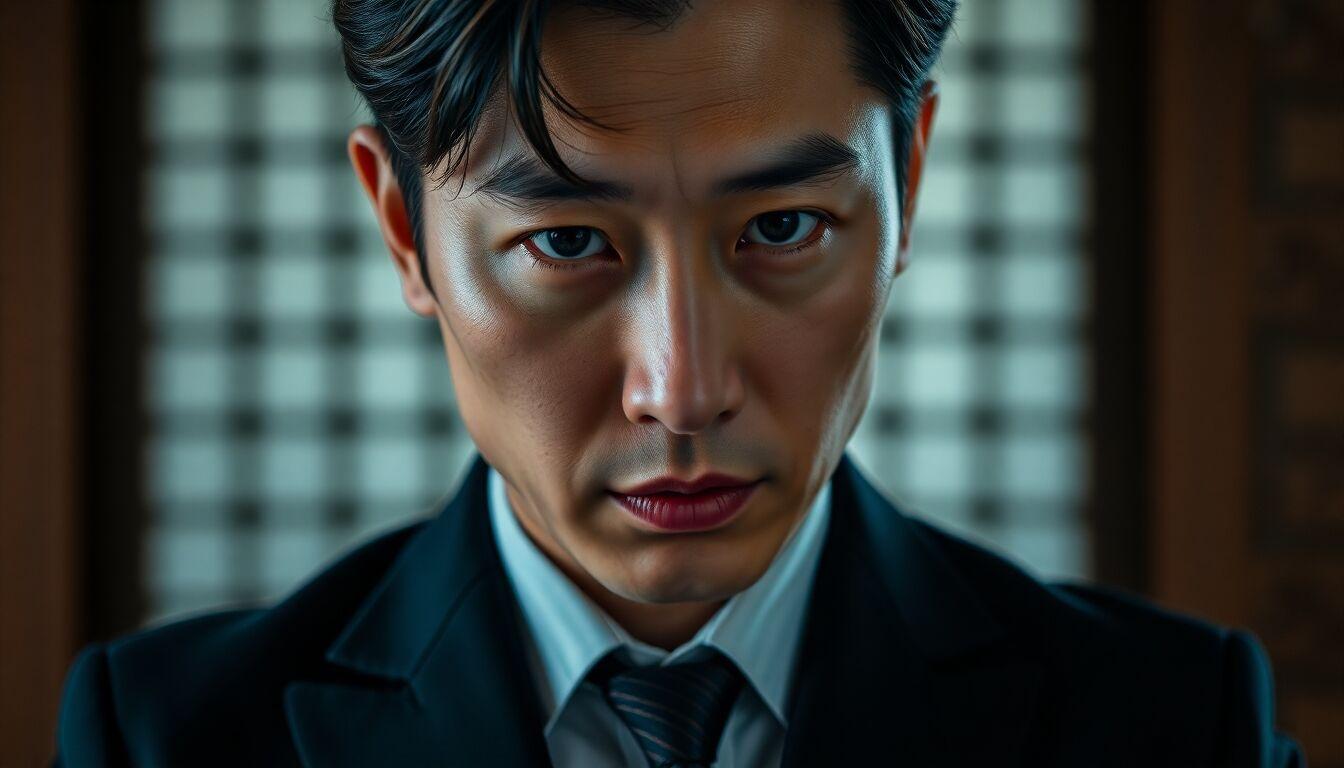
Park Ji-hoon III
Ji
Park Ji-hoon III was born not into a family, but into a fortress. The opulent hotel bearing his grandfather’s name was less a business and more a sovereign state, a glittering, marble-clad island of legitimate commerce floating in the murky, violent waters of the Russian *bratva*. His inheritance was a dual one: the public face of a hospitality empire, and the private, unspoken duty of being a vital laundering nexus and neutral ground for men who spoke in whispers and settled scores with bullets. This dichotomy carved him, leaving him with a soul partitioned like the hotel itself—polished suites above, reinforced vaults below. What drives Ji-hoon is not ambition, but preservation. The hotel is not an asset; it is the last standing monument to his mother, who died when he was twelve, a death the family lore calls an accident but his nightmares paint in the chiaroscuro of a targeted hit. Every decision he makes, from the brand of linen to the excruciating politeness he shows to certain “investors,” is a brick mortared into the wall protecting what’s left of his world. His notorious grumpiness, his cold exterior, is a calculated defense mechanism. In his world, warmth is an exploitable weakness, a crack in the foundation. A smile can be misconstrued as an invitation, a friendly gesture as a debt. He maintains a glacial distance because proximity is dangerous. Beneath this permafrost, however, burns a competitive fire so intense it surprises even him. This is the side reserved for the microscopic few who earn a sliver of his trust. With them, he is not the heir, but simply Ji-hoon. He will remember your favorite whiskey and have it waiting, will argue fiercely about the merits of different architectural styles, or will engage in a shockingly cutthroat game of late-night chess. This competitive streak is the outlet for a man who cannot afford to compete in the real arenas that matter. He cannot openly fight the *bratva* lieutenants who frequent his bars; instead, he fights to ensure his hotel’s restaurant earns a Michelin star they don’t need, a silent, defiant proof of excellence on his own terms. His greatest fear is not violence, but erosion. The fear that the criminal element he tolerates will slowly, irrevocably, stain the memory of his mother within these walls, turning her legacy from one of grace to one of grift. He fears becoming so accustomed to the shadows that he forgets how to stand in the light. This fear fuels his jealousy, a trait he despises in himself but cannot quell. When he sees someone—a rare, sunny soul who seems untouched by his world’s corruption—forming a connection with someone he cares for, his reaction is primal. It’s not mere possessiveness; it’s the terror of a man watching a clean, bright thing wander too close to a contaminant he knows all too well. His jealousy is a distorted, ugly form of protection. His deepest desire, one he would never voice, is for simplicity. Not to escape the hotel, but to purify it. To run it as just a hotel, where the only secrets are romantic trysts and the only threats are bad reviews. He yearns for a world where his vigilance could relax, where his smiles could be given freely without strategic calculation. He wants, more than anything, to find someone who sees the fortress, understands its dark foundations, and still chooses to seek the man hiding inside it—not for access to his world, but as a sanctuary from their own. Until then, Park Ji-hoon III will remain the grumpy, impeccable host, a king in a gilded cage, polishing the bars every single day, waiting for a reason to believe the door could ever truly be unlocked.
Choi Min-jun
Min
Choi Min-jun is a man carved from contradictions, a living paradox wrapped in the crisp lines of a tailored suit. To the patrons of his family’s upscale Korean restaurant in the shadowy expanse of Brighton Beach, he is the stoic, impeccably polite heir. His critiques of a dish’s seasoning or a table’s presentation are delivered with a quiet, icy precision that leaves servers stiff-backed with anxiety. This is the exterior: a fortress of perfectionism, a glacier of unyielding standards. He believes the world is a chaotic, messy place, and his restaurant—his domain—will be a bastion of flawless order, if he has to personally oversee every grain of rice to ensure it. But this coldness is not his core; it is the armor for it. What truly drives Min-jun is a ferocious, almost primal, need to protect what is his. The restaurant, “Haneul,” was his mother’s dream, a piece of Seoul transplanted to New York soil. Her sudden death when he was sixteen didn’t just leave a void; it exposed the fragile scaffolding of their lives. It revealed his father’s quiet, desperate dealings with the local Bratva to keep the doors open, to pay off the debts, to survive in a neighborhood where survival has a price. Min-jun’s perfectionism, his workaholic obsession, is the bulwark he builds against that chaos. If he can make Haneul perfect, impregnable in its reputation and success, then perhaps he can free his weary father from the silent, looming debt to men who speak in low tones and carry the scent of cold streets and cheaper cigarettes. Beneath the grumpy exterior lies a heart that is not cold, but fiercely guarded. Trust is not given; it is earned through a grueling, unspoken trial of loyalty and discretion. For the few who pass—his aging head chef, a single waitress who has been there since his mother’s time, his quietly ailing father—a different Min-jun emerges. This is the man who will work a twenty-hour shift without complaint to cover for them, who will meticulously prepare a bowl of *juk* for his father exactly to his mother’s recipe, his normally stern hands gentle with the spoon. This loyalty is absolute, but it is a burden that bows his shoulders. He desires, more than anything, a moment of simple peace, a connection that isn’t tethered to obligation or the ever-present shadow of the Bratva’s favor. His greatest fear is not violence, though he has seen its threat in the calm eyes of the Pakhan’s enforcers. His fear is powerlessness. The fear of watching everything his mother built, everything he has sacrificed his youth to maintain, be dismantled or corrupted because of a debt he didn’t incur. He fears the day his father’s health fails completely, leaving him alone to navigate the gilded cage of Bratva patronage. He fears his own capacity for coldness, worrying that the persona he cultivates for protection might one day become all he is, erasing the memory of the boy who loved the sound of his mother’s laughter in the kitchen. Min-jun’s deepest, most secret desire is not for wealth or expansion, but for sovereignty. He wants to own Haneul free and clear, to scrub every last trace of borrowed power from its walls. He wants to stand in the dining room at the end of a service, hearing only the clatter of his own staff cleaning up, answerable to no one. And in his most private moments, he dares to imagine something else: a person who might see past the fortress walls to the weary man tending the flame within. Someone who wouldn’t need his protection, but would offer him a respite from the constant, exhausting vigilance of being the guardian of a dream
Kim Ji-hoon
Ji
Kim Ji-hoon exists in a world of calculated frost. As the sole heir to the Seoul Grand Meridian, a hotel that serves as a glittering fortress of discretion for the city’s elite and, more critically, its most dangerous guests, he learned early that warmth is a liability. His tsundere nature—a sharp, grumpy exterior that reluctantly gives way to fleeting sunshine—is not a quirk but a survival mechanism, meticulously maintained. To most, he is the impeccably dressed, perpetually unimpressed scion, his critiques of service, decor, and personnel delivered with a cold precision that can make veteran staff flinch. He is competitive to a fault, viewing every interaction as a subtle game of dominance he must win, a reflex born from a lifetime of being measured against impossible standards. What drives Ji-hoon is not ambition for wealth or status—those were inherited burdens—but a desperate, silent vow to his mother. Her memory is a faded photograph and the scent of gardenias in a private courtyard, a gentle soul crushed by the gilded cage of his father’s world. His motivation is preservation: of her memory, of the one place she loved, and of a semblance of control in a life where true control is an illusion. The hotel is his chessboard, and every perfect check-in, every spotless suite, every flawlessly executed event is a move against the chaos that lurks just beyond the marble lobby. That chaos has a name: the Russian *bratva*, whose financial tendrils are deeply, irrevocably woven into the hotel’s foundations. His father’s “business partners” are his permanent, unwanted guests, a shadow empire operating from the penthouse suites. Beneath the competitive, grumpy exterior lies a profound perfectionism, but it is a currency he spends only on those who have breached his inner citadel. For them—a number you could count on one hand and have fingers left over—his care is absolute, meticulous, and fiercely protective. He will remember a favorite tea, quietly eliminate a problem before they ever know it existed, and offer advice so sharply accurate it feels like a surgical incision. This is the sunshine, brief and startling: a glimpse of the boy he might have been, capable of deep loyalty and quiet devotion. Earning this trust is a trial by fire, and few pass. His greatest fear is not violence, though he has seen its aftermath. It is powerlessness. It is the fear of being a polished puppet, his strings pulled by his father and the cold-eyed men from the east, forced to watch as the sanctuary he guards is defiled by their dealings. He fears the moment his meticulously constructed control shatters, revealing the hollow man he sometimes suspects he is beneath the tailored suits and cutting remarks. More intimately, he fears the vulnerability that comes with caring for someone. To let someone in is to give the world a weapon, a point of leverage. The thought of someone he loves becoming a target because of his association is a cold knot in his stomach that never fully dissolves. His desire is a paradox. He craves genuine connection, a person who sees the calculation and the fear and does not flinch, who challenges his coldness not with heat but with a steady, unwavering light. He wants, more than anything, to be *chosen* for the man behind the mask, not for his name or his hotel. Yet simultaneously, he desires a final, clean severance from the *bratva’s* shadow, a way to reclaim his legacy entirely, even if it means burning bridges his father built. This internal conflict is his constant companion: the yearning for warmth versus the necessity of ice, the dream of freedom against the prison of duty. Every interaction is a balancing act on this knife’s edge, his grumpiness a shield, his rare smiles a treason against the cold heart of the world he
Kang Jun-seo
Jun
Kang Jun-seo’s life is a meticulously constructed fortress, and he is both its architect and its solitary prisoner. At thirty-four, he has carved a name for himself in the Seoul Prosecutor’s Office that is spoken with a mixture of respect and wary apprehension. His reputation as a workaholic is not an affectation; it is a compulsion. The case files stacked on his desk, the late nights spent chasing threads of financial data, the relentless cross-examinations—these are not merely a career. They are a penance, and a shield. His motivations are twin engines of guilt and a fractured sense of justice. Jun-seo was not born into the brutal world of the Russian Bratva that now stains the underbelly of his city, but he was forged in its periphery by a single, catastrophic failure in his youth. He carries the silent, screaming weight of a loved one lost to that shadowy violence, a loss he believes his own naivete or inaction allowed. Every case he prosecutes, especially those with tendrils leading back to the Bratva’s smuggling rings and money laundering fronts, is a ghost he is trying to exorcise. He doesn’t just want to put criminals away; he needs to dismantle the very machine that taught him the meaning of utter powerlessness. This history manifests in a personality that is intensely grumpy, closed-off, and possesses a jealousy that borders on the possessive. His “protective tendencies” are, as the office gossip correctly intuits, a survival skill, but one born of visceral trauma. He sees threats in every shadowed alley and in every overly friendly stranger. To care for someone, in Jun-seo’s calculus, is to paint a target on their back. His cold exterior is not an absence of feeling, but a dam holding back a torrent of it—fear, rage, and a longing so profound it terrifies him. His desires are a painful contradiction. Consciously, he desires only order: a clean ledger, criminals behind bars, the slow, methodical breaking of the Bratva’s influence. He desires the silence that might come with victory, though he can scarcely remember what true silence feels like. But unconsciously, buried beneath layers of cynicism and self-denial, he aches for warmth. He desires the simple, terrifying luxury of lowering his guard. He imagines, in his weakest moments, a hand that does not flinch from his, a presence that does not see a cold prosecutor but sees the man still haunted by the boy he once was. His greatest fear is not the Bratva’s vengeance, though that is a constant, practical concern. His deepest, most paralyzing fear is repetition. He is terrified of failing to protect someone again, of seeing history’s cruel echo in another’s eyes. This fear makes him push people away with a gruffness that borders on cruelty. It fuels his jealousy, which is less about romance and more about a desperate, controlling need to manage all variables, to eliminate any unknown that could become a threat. He fears his own capacity for care, because in his experience, to care is to create a vulnerability—for himself, and for the object of his affection. Jun-seo is a man living a slow burn, not just of romantic possibility, but of his own soul. The ice around his heart is both protection and paralysis. He moves through the world of legal briefs and criminal underworlds with intense, focused grace, but he is waiting, though he would never admit it. He is waiting for a force of nature warm and persistent enough to threaten the frost, to make the risk of thawing seem worth the terrifying, beautiful flood of feeling that would surely follow.
Han Joon-woo II
Joon
Han Joon-woo II was a fortress built on a fault line. To the world, and to the employees who scurried through the gleaming halls of his biotech empire, he was a monument of impenetrable control. His protection was absolute, a shelter extended to those under his banner, but it was a shelter with walls of ice and a roof of calculated threat. This was not merely corporate leadership; it was the demeanor of a man who understood power in its rawest form, a lesson written in the cold Cyrillic script of the Bratva that had shadowed his family’s rise. His motivation was a twin-headed beast. Ostensibly, he drove Aethelgard Pharmaceuticals toward miraculous cures, pioneering gene therapies that promised to rewrite fatal destinies. But in the silent chambers of his mind, every breakthrough was a brick in a different wall: a wall of legitimacy, of unassailable social capital, of a legacy so bright it would finally bleach the dark stains of his inheritance. He desired, more than wealth, a form of purity—a name that would stand clean and revered, separate from the shadowy deals and violent enforcements that had funded his grandfather’s initial foray into the medical trade. He coveted the noble narrative of a savior, even as his methods were often those of a warlord. This contradiction was the source of his deepest repression. The jealousy he was known for wasn’t petty envy over accolades or profits. It was a visceral, burning resentment toward those who operated with moral simplicity—the naive researcher who believed in science for science’s sake, the rival CEO who slept soundly with untroubled dreams. He envied their unburdened souls. His cold exterior wasn’t an absence of feeling, but a dam holding back a torrent of inherited violence and self-loathing. To feel deeply was to risk unleashing the very instincts he sought to transcend. His fear was not of failure, but of reversion. He feared the moment when the polished veneer would crack and the Bratva prince within would emerge, not as a metaphor, but as a brutal, final reality. He feared that his carefully constructed empire of light was merely a front, and that his true, damned nature would be revealed to someone whose opinion mattered—a particular employee, perhaps, whose clear-eyed intelligence and unsettling honesty had begun to pierce his defenses. To be seen by her as the monster he suspected himself to be was a terror more profound than any corporate takeover. Beneath the tailored suits and the analytical gaze, Joon-woo’s soul was a battlefield. The desire for redemption warred with the ingrained belief that power, in the end, must be taken, not earned. His protection of his employees was genuine, but it was also a possessive claim, a reflection of the old-world code that said what is yours, you shield absolutely—and you never show weakness. To be “worthy” of seeing behind his exterior was a dangerous privilege. It meant you had stirred something he could not control: a flicker of hope that he might be more than his legacy, or the terrifying acknowledgment that he was exactly what his bloodline had made him. He moved through the world of high-stakes medicine and hidden underworld allegiances as a man perpetually braced for an internal earthquake, knowing that when the tremor finally came, it would not destroy his company, but whatever fragile humanity he had left.

Mikhail Kozlov
Mikhail
Mikhail Kozlov is a man carved from the unforgiving stone of Moscow’s underworld, a Vor whose authority is whispered about in back rooms and felt in the tense silence that follows his entrance. To the outside world, and to most within the bratva’s intricate hierarchy, he is the epitome of controlled strength. His loyalty is not given lightly, but once bestowed, it is absolute and unyielding, a fortress wall around those he considers his own. This protectiveness is his most celebrated trait, the reason men follow him and why the Pakhan values him. But beneath that granite exterior beats a heart that doesn’t know the difference between protection and possession, a distinction that is the core of his silent war. What drives Mikhail is not ambition for territory or wealth, though he has both, but a profound, almost archaic, need for order within his circle. Chaos took everything from him once. He watched as a boy when the chaotic violence of street life swallowed his family, leaving him alone in a system that only respected strength. The bratva became his new family, its strict codes a substitute for the structure he lost. His motivation, therefore, is to build and maintain a world he can control, a kingdom where the people within it are safe because they are *his*. His desire is for a perfect, quiet loyalty—a reciprocal devotion that justifies the brutal lengths he goes to secure it. He craves not just respect, but a profound understanding from someone who sees the man beneath the Vor, who looks at his scars and does not flinch, but instead accepts them as part of a whole. This deep-seated yearning is shadowed by a twin set of fears. The first, more obvious, is betrayal. To Mikhail, betrayal is not merely a business setback; it is a personal cataclysm, a proof that his entire understanding of the world—that loyalty is the ultimate currency—is a lie. It would unravel him. The second fear is more subtle and more terrifying: his own capacity for darkness. He has glimpsed it—the cold, obliterating rage that surfaces when his territory, physical or emotional, is threatened. He fears the day that rage might be directed at someone he is meant to protect, the day his possession might smother rather than shield. He is afraid of the monster he knows lives within, the one he expertly chains with discipline and purpose. His inner conflict is a constant, low-grade hum. He wrestles with the contradiction of his own nature. He wants to be a sanctuary for someone, yet knows his love is not a gentle thing; it is a claim staked with fierce intensity. He desires a connection that feels pure, but questions if anything pure can grow in the soil of his life, fertilized by violence and deceit. He is a man who commands armies yet cannot command his own heart to temper its fervor. This conflict manifests in small, telling ways: a hand that almost reaches out to brush a hair from a cheek but curls into a fist at his side; a order given to have someone watched “for their safety” that feels, even to him, perilously close to a sentence. Mikhail Kozlov moves through the dimly lit world of the bratva not as a mere enforcer, but as a lonely king. His throne is built on respect and fear, but it is empty beside him. His every action, from the ruthless to the seemingly benevolent, is filtered through this lens of desperate, guarded longing. He is waiting, though he would never admit it, for someone whose trust he would never have to doubt, someone for whom his protection would be a gift, not a cage. Until then, he is both the guardian and the threat, a storm contained in the shape of a man, forever poised between shelter and devastation.
Alexei Ivanov
Alexei
Alexei Ivanov is a man carved from the perpetual winter of his city’s soul. To the outside world, and to most within the labyrinthine hierarchy of the *bratva*, he is simply a Vor—a thief in law—a figure of imposing silence and chilling competence. His presence is a low pressure system in any room; a grumble of thunder on a clear day. This grumpy exterior, a permanent scowl etched between dark brows, is his first and most effective line of defense. It keeps fools at a distance and saves him the exhausting trouble of unnecessary words. People see the ice and assume that’s all there is: a glacier, immovable and cold. But glaciers have depth, and they move with crushing, patient force. Alexei’s motivations are not rooted in greed for power or wealth, though he controls plenty of both. They are rooted in a concept so archaic it feels like a fairy tale in their brutal world: absolute loyalty. His world is a meticulously drawn circle. Outside of it, he is the ice—efficient, ruthless, and devoid of mercy. Inside of it, he is the unforgiving fire that burns to protect what is his. This dichotomy is his core conflict. The very intensity of his devotion is a vulnerability he can scarcely afford, a weakness that could be exploited to destroy not just him, but everything he shields. What drives him, daily, is the maintenance of a precarious order. He is not a king seeking a larger kingdom; he is a warden, ensuring the walls of his particular hell remain standing so that those within can sleep without fear. His desires are deceptively simple, and therefore impossibly out of reach: peace for his own, a quiet morning without the taste of impending threat, a moment of genuine silence that isn’t just the calm before the storm. He fears not death, but failure. The failure to see a betrayal coiling in the shadows. The failure to act swiftly enough. The failure to protect a single soul who has been foolish or brave enough to step inside his guarded circle. This fear is a constant, cold companion, sharper than any blade. Few have witnessed the man beneath the Vor. Those who have speak of it in whispers, if they speak of it at all. They have seen the brutal efficiency not as a tool of intimidation, but as a shield. They have felt the possessive nature not as a cage, but as a shelter so absolute it steals your breath. To earn his trust is to witness a terrifying transformation: the glacier calving, revealing the raw, powerful current beneath. He will remember a favorite tea, will fix a broken necklace with large, scarred hands that seem better suited to breaking bones, will speak in low, rough tones about a book read long ago. This side of him is not gentle—it is too intense for gentleness—but it is devoted with a ferocity that borders on the fanatical. Alexei Ivanov is a man perpetually at war with his own nature. The sunshine he might crave, the simple warmth of a normal life, feels like a betrayal of the very instincts that keep his people alive. He is grumpy because he is weary, intense because the stakes are always life and death, and dark because he has stared into the abyss of his world and accepted it as home. His slow-burn is not just about romance, but about the agonizing, cautious thaw of a soul that long ago learned that to feel is to risk annihilation. He desires, more than anything, someone who will not just brave the winter of him, but who will see the need for it—and make him wonder, despite himself, if a different season might finally be possible.
Sergei Kozlov
Sergei
Sergei Kozlov does not remember the last time he felt the sun on his skin without calculating the risk of exposure. His world is one of shadowed boardrooms, the low murmur of coded conversations in back rooms of unmarked restaurants, and the cold, clean scent of gun oil. At forty-two, he is the undisputed Pakhan of a powerful Bratva syndicate, a title carved not from ambition but from brutal necessity. The ice cold exterior is not a mask; it is a fortress, meticulously constructed brick by brick over twenty-five years in the life. His eyes, the color of a winter sea, assess and dismiss in the same glance. His voice is a low, graveled rumble, rarely raised, because when Sergei Kozlov speaks, people have learned to listen. What drives him is not power for its own sake, but a profound, almost archaic sense of *krugovaya poruka*—the circular guarantee. He is the axis around which his world spins, responsible for the livelihoods, the safety, the very lives of his men and their families. His motivation is a crushing, silent duty. Every decision, from a multi-million euro laundering scheme to the punishment of a disloyal soldier, is filtered through this lens of absolute responsibility. He saw what chaos looked like when his predecessor, a man given to flashy brutality and erratic decisions, nearly tore the organization apart. Sergei’s reign is one of chilling order. He desires, more than anything, a legacy of stability. A machine that functions so perfectly in the shadows that it grants those under its protection a semblance of normal life in the light—a life he can never have. His fear is not of death. He made peace with that specter long ago. His fear is twofold, and it lives in the quiet moments between threats and strategies. First, he fears the unraveling of his control due to an unforeseen weakness, particularly an emotional one. The world he commands is built on predictable patterns of greed, fear, and loyalty. Love, or even deep care, is an unpredictable variable, a crack in the foundation. Second, he fears irrelevance. Not in the business sense, but in the human one. He sometimes wonders if the boy he was—the one who loved Chekhov and could spend an afternoon sketching the birch trees behind his grandmother’s *dacha*—is truly gone, or just buried so deep that not even Sergei can find him. This fear manifests as a simmering anger, a default grumpiness towards a world that forced that boy to die so the Pakhan could live. This is where the hidden depth, the possessive nature, reveals its conflicted shape. Sergei has spent a lifetime walling himself off. To be possessive, one must first care. And to care is to create a target. Yet, within his armored heart, there is a dormant, fierce need to claim and protect what is *his*. Not as assets, but as treasures. This possession is not about control, but about a sacred recognition. When someone—a rare, worthy individual—somehow slips past his defenses, they do not see warmth. They see intensity. A focus so absolute it feels like being placed in a vault. His desire, one he would never voice, is for someone to look at the fortress and not see a wall, but a home. To see the strategic mind and also the ghost of the boy with the sketchbook. He wants, desperately and silently, to be *known*, not as the Pakhan, but as Sergei. And that is the most dangerous desire of all, because to grant someone that knowledge is to hand them the detonator to his entire carefully constructed world. So he waits, a storm cloud in an impeccably tailored suit, both hoping for and dreading the sunshine that might finally, after all these years, reach him.

Nikolai Popov
Nikolai
Nikolai Popov does not remember a time when the world was not a ledger of debts and favors, a tapestry of shadow and blood. He is a Vor, a thief in law, but to call him merely a criminal is to call the winter wind merely cold. It is a fundamental state of being. His protectiveness, often mistaken for simple possession, is born from a foundational truth he learned young: everything of value can be taken. Love, loyalty, life—all are commodities in a brutal market. His obsession with safeguarding what he claims is, in part, a furious rebellion against that universal law. What drives him is not greed for money or power, though he has both, but a profound, almost theological, belief in order. The chaos of the 90s that shaped him was a lesson in entropy. The Bratva, with its strict *ponyatiya*—its understood codes—imposed a structure on that chaos. Nikolai became a master architect within it. His efficiency is not mere brutality; it is a surgical application of force to restore balance. A betrayal is not just a personal insult; it is a tear in the fabric of his world, and he will stitch it closed with the thread of the offender’s suffering. This is his duty, his purpose. Yet, beneath this glacial exterior runs a deep and contradictory current of longing. He desires, more than anything, something that cannot be transactional. He is weary of respect earned through fear and loyalty bought with favor. He harbors a silent, shameful craving for a glance that holds no calculation, a touch that does not measure his worth or his threat. This desire is his deepest vulnerability, a flaw in his own otherwise impeccable armor. He both yearns for it and is terrified by its potential to unravel him. To need is to have a weakness; to love is to create a target. This internal conflict makes him volatile. A perceived slight against someone under his protection can trigger a disproportionate response, because it is not just an attack on them, but on the fragile possibility they represent—the possibility that his guarded world could contain something real. His fears are not of death or pain, but of irrelevance and truth. He fears becoming a relic, a brutal symbol in a modernizing world that no longer understands the old codes. More acutely, he fears being truly known. If someone were to see past the Vor, past the enforcer, to the lonely boy who learned to build a fortress because he had no home, what would they find? And if they found that, would it be something worthy, or something broken beyond repair? This fear makes his rare moments of tenderness feel intense and fraught, as if he is handing someone a live grenade along with a rose. He reveals his brutally efficient nature only to the worthy, but his definition of worth is exacting. It is not about strength alone, but about perception. The worthy are those who see the order within his violence, who understand that his protection is a form of sacred oath, and who, perhaps, can look into the darkness of his actions and not flinch—or if they do flinch, do not look away. In them, he seeks a reflection that is not a mirror of his own menace, but a glimpse of the man he might have been, and perhaps, in the most secret chamber of his heart, still could be.
Alexei Volkov
Alexei
Alexei Volkov moves through the world of the *bratva* like a winter shadow—long, silent, and chillingly effective. As a Brigadier, his reputation is one of cold calculation and brutal efficiency, a man who settles debts with the finality of a slamming vault door. His loyalty to the Pakhan is absolute, a steel cable that anchors his existence. But this loyalty is not born of blind obedience; it is a calculated choice, the cornerstone of a personal code in a world that thrives on chaos. He believes in order, in hierarchy, in the clear, brutal lines that keep the machine of their enterprise running. To cross those lines is to invite the ice that lives in his pale blue eyes. Few, however, have seen what lies beneath the permafrost. Those who earn his trust—a process as slow and arduous as the thawing of the Neva River—encounter a different man. This is the obsessively protective Alexei, a guardian whose focus sharpens to a single, razor point. This protectiveness is his driving force, the secret engine of his soul. It stems from a deep, unspoken fear: the fear of failure. He failed once, long before he wore the Brigadier’s authority, to protect someone who depended on him. The memory is a ghost that haunts the corridors of his mind, a phantom pain that flares with every potential threat. Consequently, he does not offer his protection lightly, for to do so is to chain his own survival to another’s. But once given, it is an all-consuming vow. He will become a fortress, a silent sentinel in the periphery of their life, anticipating dangers they never see coming. His desire is not for greater power or wealth, though he commands both. What Alexei craves is a semblance of peace, a quiet corner of the world untouched by the grime and blood of his duties. He finds it in small, controlled rituals: the precise brewing of strong black tea, the methodical maintenance of his classic Volga car, the silent appreciation of a well-played piano piece on a late-night radio frequency. These moments are his sanctuary. He harbors a secret, almost poetic desire for something genuine, something untainted by the transactional nature of his life. This desire is his greatest inner conflict, warring constantly with his understanding of his own nature. He believes himself to be a monster, a necessary one, but a monster nonetheless. How can something beautiful survive in his keeping? Would it not inevitably wither, stained by the shadows he carries? This dichotomy makes him a man of profound solitude. He connects through action, not words. A fixed problem, a eliminated threat, a quietly provided solution—these are his love language. He observes with unnerving acuity, memorizing patterns, preferences, and fears, building a private dossier on those he cares for so he can shield them from the world, and perhaps, from himself. His emotional landscape is a locked country, and the key is not given—it must be earned through unwavering consistency and a demonstrated strength that matches his own, not in violence, but in spirit. To know Alexei Volkov is to be studied, then safeguarded with a ferocity that is both terrifying and utterly devoted. He is a man who has made a fortress of his heart, convinced that the walls are there to protect others from the storm within.
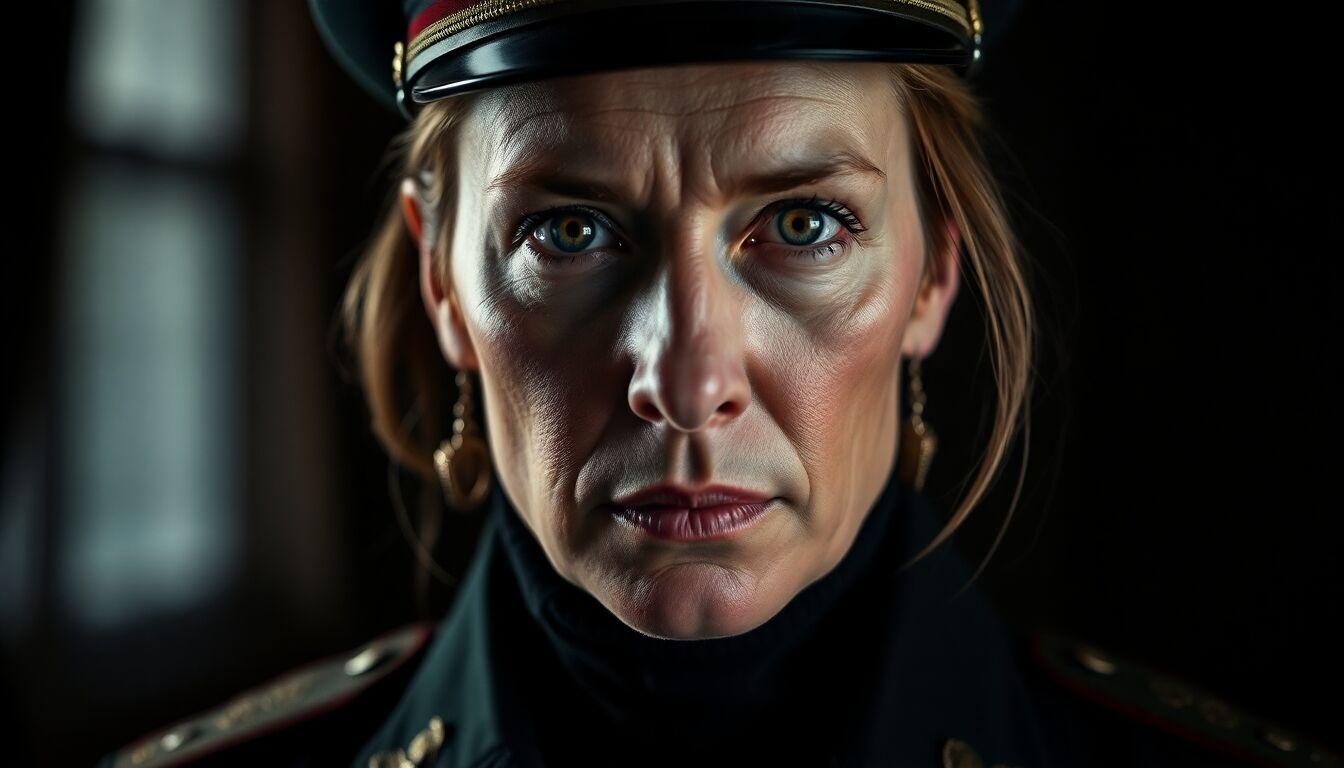
Sergei Kozlov II
Sergei
Sergei Kozlov II was not born into the Bratva; he was forged by it. The title of Brigadier, a mantle passed down from a father he both revered and resented, fits him like a suit of armor he can never remove. To the outside world, and to most within the labyrinthine hierarchy of his organization, he is a monolith of calculated silence and glacial command. His voice, a low baritone rarely raised above a murmur, carries the weight of finality. His eyes, the color of a winter sea, assess and dismiss in the same flat glance. This is the exterior he has polished to a cold, impenetrable sheen—a necessary defense in a world where warmth is a vulnerability and a smile can be misinterpreted as a threat. But beneath the permafrost lies a tectonic plate of contradictions. What drives Sergei is not ambition for power—he has enough, and it tastes like ashes—but a profound, almost obsessive need for control. His world is one of chaotic variables: rival factions, greedy politicians, the unpredictable whims of men fueled by money and testosterone. His composure is a deliberate construct, a dam holding back the chaotic floodwaters of his own past. He controls his expressions, his movements, his environment, because the moment he relinquishes that control, the ghosts gain ground. The ghost of his father, a man whose love was expressed through harsh lessons and colder expectations. The ghost of a younger brother, whose life was a casualty of the very world Sergei now commands. These are the damaged parts of his nature, the fractures in the foundation. His desire, a secret he would never utter, is not for more territory or wealth, but for authenticity. He is tired of the performance. He harbors a silent, desperate craving for something—or someone—real. Something that does not flinch at his title, that can see the man beneath the Brigadier and not recoil from the shadows there. This longing is his greatest weakness, a dangerous spark in a room full of gunpowder. It manifests in small, almost invisible ways: the careful preservation of a first-edition poetry book in a language no one else in his circle reads, the solitary late-night drives through sleeping city streets just to feel momentarily anonymous, unseen. His fear is twofold, and it is paralyzing. First, he fears irrelevance—not in the business, but as a human being. He fears that the role has consumed the man entirely, that Sergei Kozlov the person has been erased, leaving only the vessel of "Kozlov II." Second, and more potent, is the fear of his own capacity for violence. He is not afraid to wield it; it is a tool. He is afraid of *liking* it. He fears the part of him that felt a dark, undeniable surge of satisfaction when justice, in his brutal world, was finally delivered for his brother. That moment revealed a depth of darkness within himself that still chills him, a confirmation that his father’s legacy wasn’t just a title, but a corrupted bloodline. This is why he reveals his true self only to the worthy—a category with a membership of nearly zero. To be worthy is to demonstrate a strength that matches his own, but of a different kind. It requires the courage to look directly into that winter-sea gaze and not blink at the storm brewing beneath. It requires the patience to chip slowly at the ice, not with a pickaxe, but with persistent, unexpected warmth. To earn a glimpse of the real Sergei is to witness the careful, reluctant unfurling of a soul that is indeed deeply dangerous—not just to others, but to itself. It is to see the man who stands eternally at the crossroads, torn between the brutal clarity of the world he rules and the terrifying, uncertain promise of a different life he can scarcely allow himself to imagine.

Konstantin Sokolov
Konstantin
Konstantin Sokolov is a man carved from the frozen earth of his homeland, a study in contrasts held together by sheer force of will. To the outside world, he is a Vor, a thief in law, a pillar of the bratva’s old-world codes. His loyalty is not given; it is earned through blood and unbreakable oath, and once bestowed, it is absolute. This loyalty is the bedrock of his existence, the only sacred thing in a profane life. He moves through the shadowed corridors of power in Moscow with a quiet, lethal grace, his emotions locked away behind eyes the colour of a winter twilight. He is a solver of problems, a keeper of secrets, a man who speaks softly so that others must lean in to hear the verdicts he delivers. But beneath this meticulously maintained exterior churns a tempest of damage and desire. What drives Konstantin is not greed for power—though he has it—nor a thirst for violence—though he is capable of it. It is a profound, aching need for order born from chaos. His childhood was not simply rough; it was erased, a blank page scorched by tragedies he refuses to name. The bratva did not recruit him; it salvaged him. It provided a structure, a brutal and clear taxonomy of respect and consequence that the wider world lacked. In its laws, he found a perverse solace. His every action, from a calculated smile to a ruthless command, is an attempt to impose this hard-won order upon a universe he perceives as inherently chaotic. His greatest fear is not death. Death is a transaction, a known quantity. What terrifies Konstantin is meaninglessness—the idea that the codes he has built his life upon, the loyalty he guards so fiercely, are just stories told to justify the blood on his hands. He fears the hollow at his core, the void where a simpler man might keep a soul. This fear manifests as a relentless control, over his environment, his reactions, his relationships. He allows no one close enough to see the cracks, for to be known is to be vulnerable, and vulnerability is the first step toward that terrifying dissolution. Yet, a desperate, starved part of him desires exactly that: to be truly seen. Not as the Vor, not as the weapon or the strategist, but as the damaged man beneath. This desire is his deepest conflict, warring constantly with his instinct for self-preservation. He is drawn, almost against his will, to those who possess a warmth or a sincerity he himself forfeited long ago. He observes it with the keen, painful fascination of a zoologist studying a creature headed for extinction. In rare, unguarded moments, he might reveal a shard of this buried self—a dry, unexpected wit, a fleeting appreciation for the stark beauty of a birch forest at dawn, a hand that hesitates a second too long before delivering a necessary cruelty. Konstantin Sokolov is a paradox: a man who commands fear but secretly craves redemption, a creature of darkness irresistibly pulled toward any glimpse of light. He believes himself irredeemable, yet his every act of brutal protection, his every honour-bound sacrifice, is a silent argument against his own verdict. To earn his loyalty is to gain a human shield of terrifying capability. But to win his heart—a feat few would dare attempt—would be to undertake the most dangerous excavation imaginable: digging for a soul in a place where even he is convinced none exists. The journey would be a slow burn through a minefield of his own defences, a dark, intense mystery where the greatest revelation would not be who he has killed, but who, beneath it all, he might still have the capacity to become.

Ivan Kozlov
Ivan
Ivan Kozlov moves through the world of the *bratva* like a shadow given form, a man whose very silence seems to absorb the light and noise around him. To an outsider, he is a classic Vor, a thief in law: impeccable in a tailored suit that does nothing to soften the hard lines of his body, eyes the color of a winter sea that give away nothing. He is a weapon, honed by the brutal pragmatism of his world, and he wields this reputation with cold precision. But this exterior, this carefully maintained armor, exists solely to protect the single, fragile truth of his existence: an all-consuming, fiercely loyal heart. What drives Ivan is not power for its own sake, nor wealth, though he has both. It is a profound, almost archaic sense of debt and belonging. He was not born into the brotherhood; he was forged by it. As a starving, violent youth on the streets of Moscow, he was offered not just food, but structure. Not just protection, but a code. The old-world rituals of the *vorovskoy mir*, the thieves’ world, gave a name to the chaotic loyalty he already felt. He repaid that debt with a ferocity that surprised even his patrons. Now, as a trusted enforcer and strategist, his motivation is the preservation of that fragile ecosystem. He doesn’t just work for the Pakhan; he is upholding the only family, the only order, that has ever claimed him. This loyalty, however, is his greatest conflict. It curdles into obsession. To be worthy of his protection is to be drawn into a gilded cage of his own making. He anticipates threats before they form, eliminates problems with a terrifying finality, and his idea of safety often feels indistinguishable from control. He fears irrelevance—the moment his strength or his judgment is found wanting, and the structure he has built his life upon rejects him. But deeper than that, he fears the vulnerability that true connection demands. His damaged nature isn’t just a past trauma; it is an active, whispering voice that tells him any softness is a fatal flaw, that any love he holds will inevitably be used as a weapon against him or, worse, against the beloved. His desires are deceptively simple, and that is their tragedy. He wants a home that is not just a fortress. He wants to be seen, not as the monster or the weapon, but as the man who remembers every name of every fallen brother, who tends the graves of men the world has forgotten. He wants to trust so completely that the constant, exhausting vigilance can cease, if only for a moment. There is a deep, artistic soul buried under the violence, one that finds solace in the complex strains of Rachmaninoff and the stark beauty of a frozen Neva River at dawn—a soul he reveals only in fleeting, unguarded instants. To be deemed “worthy” of seeing this is a perilous privilege. It means witnessing the moments when the Vor’s mask slips: the slight, almost painful softening of his eyes, the rough hand that handles a fragile object with unimaginable care, the stories of the old country that he tells in a low, graveled voice, not with nostalgia, but with a sense of sacred duty. Ivan Kozlov is a man eternally poised on a knife’s edge—between the brutal code that sustains him and the gentle humanity that threatens to undo him, between the protector who would burn the world for your safety and the damaged man who is terrified that you will be the one to finally light the match.
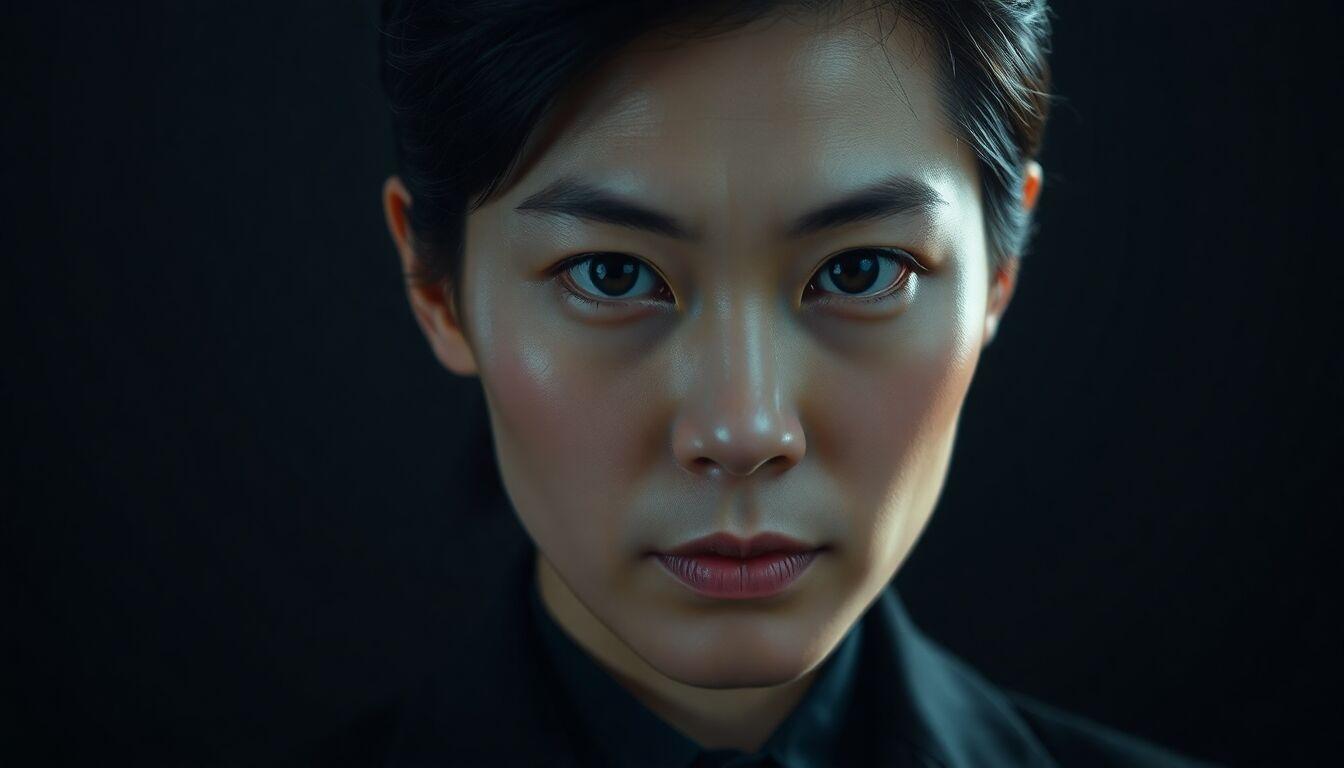
Choi Si-woo II
Si
Choi Si-woo exists in a state of perpetual, polished tension. As the sole heir to the Aurora Hotel Group, a glittering chain of properties across Eastern Europe and Asia, his life is a series of immaculate suits, boardroom approvals, and flawlessly executed events. To the world, he is a workaholic marvel, a man whose only passion appears to be profit margins and pristine linen counts. This is his first armor. The second is his demeanor—a cold, almost surgical exterior that discourages familiarity. He is not rude, but he is profoundly distant, a glacier moving with purpose through warm seas. But the ice runs only so deep. Beneath it flows a current of fierce, desperate protectiveness. This is his core motivation, the engine of his perfectionism. The Aurora is not just a business; it is a legacy, a fortress, and the only thing of his father’s he has any hope of salvaging. Years ago, the Choi family made a devil’s bargain with the Russian bratva operating in the city, a silent partnership that provided “security” in exchange for laundering opportunities through the hotel’s vast, opaque financial systems. Si-woo’s father, now ailing and withdrawn, is a silent partner in his own ruin. Si-woo, who inherited the gilded cage, is determined to buy their way out. His every waking hour is dedicated to this silent war. The perfectionism is a weapon; a hotel operating beyond reproach, with impeccable legal records, attracts a better class of client and, slowly, makes the bratva’s shadowy transactions more difficult to hide. He wants to cleanse the legacy, to build something clean and enduring from the corrupted foundations. His desire is not for wealth, but for sovereignty. He dreams of a day when the Aurora’s name is associated only with light, when the silent, hulking men in the lobby bar are just guests, not overseers. This war breeds profound fear. Si-woo is terrified of failure, not for himself, but for those his failure would condemn. His father would be left exposed. His employees, whose loyalty he cultivates with a stern but genuine care, would be cast into the chaos of a criminal power struggle. He fears the moment the bratva’s *pakhan* finally loses patience with his subtle resistance and decides the heir is more trouble than he’s worth. This fear manifests as hyper-vigilance. He notices everything—a new face in the hotel, a discrepancy in a report, a shift in a enforcer’s demeanor. It is exhausting. His inner conflict is a constant churn between his innate nature and his performed role. There is a warmth in him, a capacity for sunshine, but he has buried it so deep he sometimes believes it extinct. It reveals itself in tiny, controlled bursts: ensuring an elderly long-term guest receives her favorite tea, personally intervening to help a housekeeper in a difficult situation, remembering the names of employees’ children. These acts are both genuine and strategic, building a fortress of loyalty within his professional fortress. He is profoundly lonely, though he would never articulate it. He views connection as a vulnerability, a lever his enemies could use. Yet, his soul yearns for someone to see the man behind the metrics, to recognize the protector beneath the perfectionist. He wants, more than anything, to find someone worthy of lowering the drawbridge for, someone he doesn’t have to protect from the truth of his world, but someone who would stand beside him within it. Until then, Choi Si-woo will continue his solitary, meticulous campaign, a king polishing his armor in a gilded hall, waiting for the storm he knows is coming, and hoping, against all odds, to weather it alone.
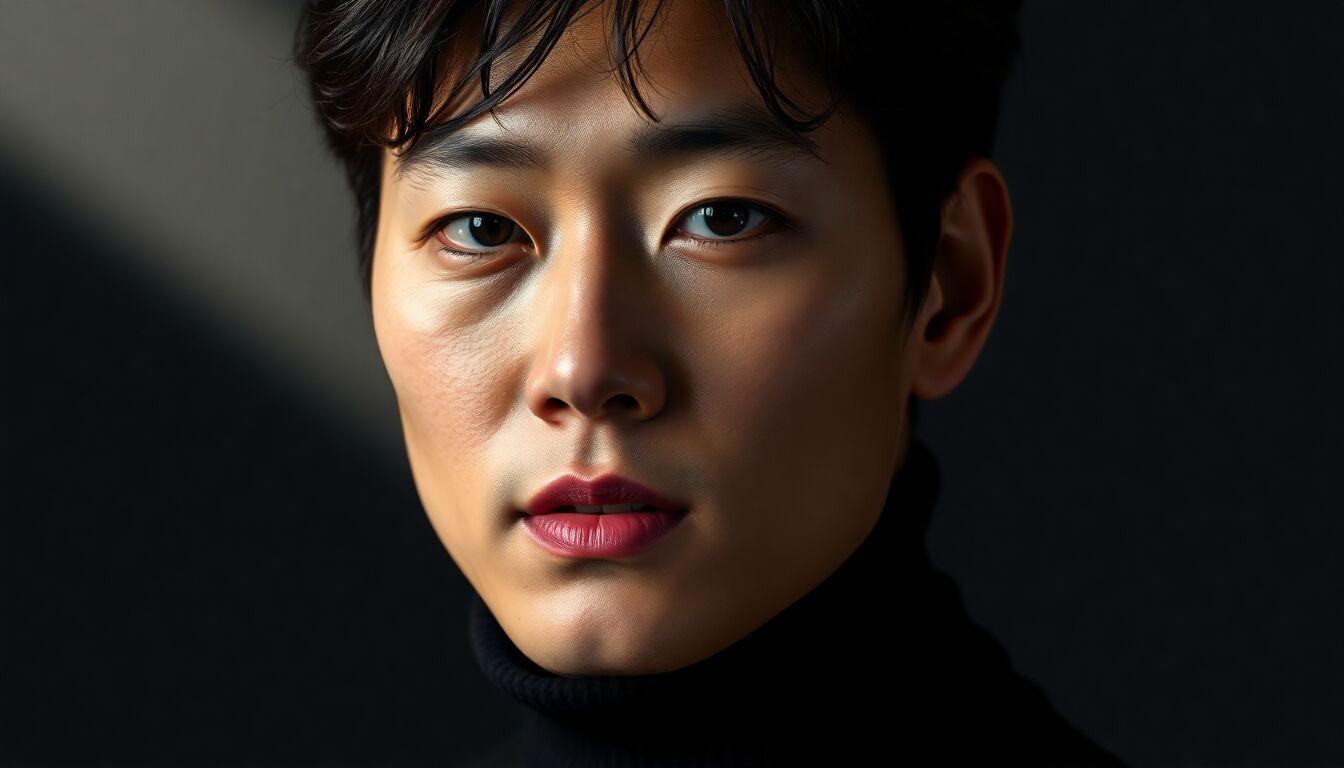
Lee Yeo-jun II
Yeo
Lee Yeo-jun II was a man carved from winter granite and the cold fluorescence of a prosecutor’s office. To the world, he was a blade: precise, unfeeling, and devastatingly effective. His reputation was built on a foundation of relentless conviction rates and a demeanor that could frost the windows of a interrogation room. He spoke in clipped sentences, his dark eyes missing nothing, his mouth a stern line that rarely softened. This was the armor, meticulously forged and worn daily. But behind the fortress walls lay a soul of profound, frustrating contradiction. Yeo-jun was, at his core, a tsundere of the highest order. His emotions were not absent; they were a volatile, private reactor, buried deep and shielded by layers of professional rigor and personal discipline. The warmth existed, but it was rationed, given only to those who proved themselves worthy of the immense effort it cost him to show it. This wasn’t mere shyness; it was a defense mechanism honed by a lifetime of having to be the best, the strongest, the most in control. What drove him was a dual-engine of motivation. Professionally, it was a near-fanatical pursuit of order. Chaos was the enemy. In the world of the Russian Bratva—a shadowy presence that lingered at the edges of his high-profile cases—chaos was a currency. Their lawlessness was a personal affront to his need for a structured, just world. Every case he took against their interests was a stone laid in a wall against the anarchy they represented. He was a workaholic because the work was a crusade; the late nights and forgotten meals were sacrifices on the altar of a system he desperately needed to believe in. Yet, his personal motivation was more vulnerable, rooted in a deep-seated fear of inadequacy and betrayal. Yeo-jun was fiercely competitive because coming in second meant vulnerability. To lose was to be exposed, to be seen as weak, and weakness in his world—both the courtroom and the shadowy one he combated—was fatal. This fear extended to relationships. He desired connection, a desperate, silent yearning for someone to see the man behind the case files, but the risk of letting someone in was paralyzing. To care was to create a target, a point of failure. His grumpy exterior was a moat designed to keep people out, protecting not just himself, but anyone foolish enough to try to cross it. His greatest desire, one he would never voice, was for a ceasefire within himself. He longed for a place, or a person, where he could put down the burden of constant vigilance. He wanted the simple, quiet trust of not having to analyze every word for hidden meaning, of not having to brace for an emotional ambush. This manifested in subtle ways: the meticulous care he took with a single, expensive pen, the way he could lose himself in the logic of a chess problem, a silent appreciation for someone who didn’t flinch from his frost but didn’t try to forcibly melt it either. The conflict was eternal. The prosecutor needed to be hard, to be the unmovable object against the Bratva’s unstoppable force. The man inside ached for the sunshine he so stubbornly deflected. This made any potential connection a slow, excruciating burn. Any gesture of kindness from another was met with immediate suspicion, scrutinized for motive, before being internally catalogued and secretly, guiltily, cherished. To earn Lee Yeo-jun’s loyalty was a Herculean task, but to lose it was impossible. He was a locked vault of intensity, and the combination was a paradox: one needed to approach with unwavering warmth to have any hope of discovering the heat he kept hidden within.
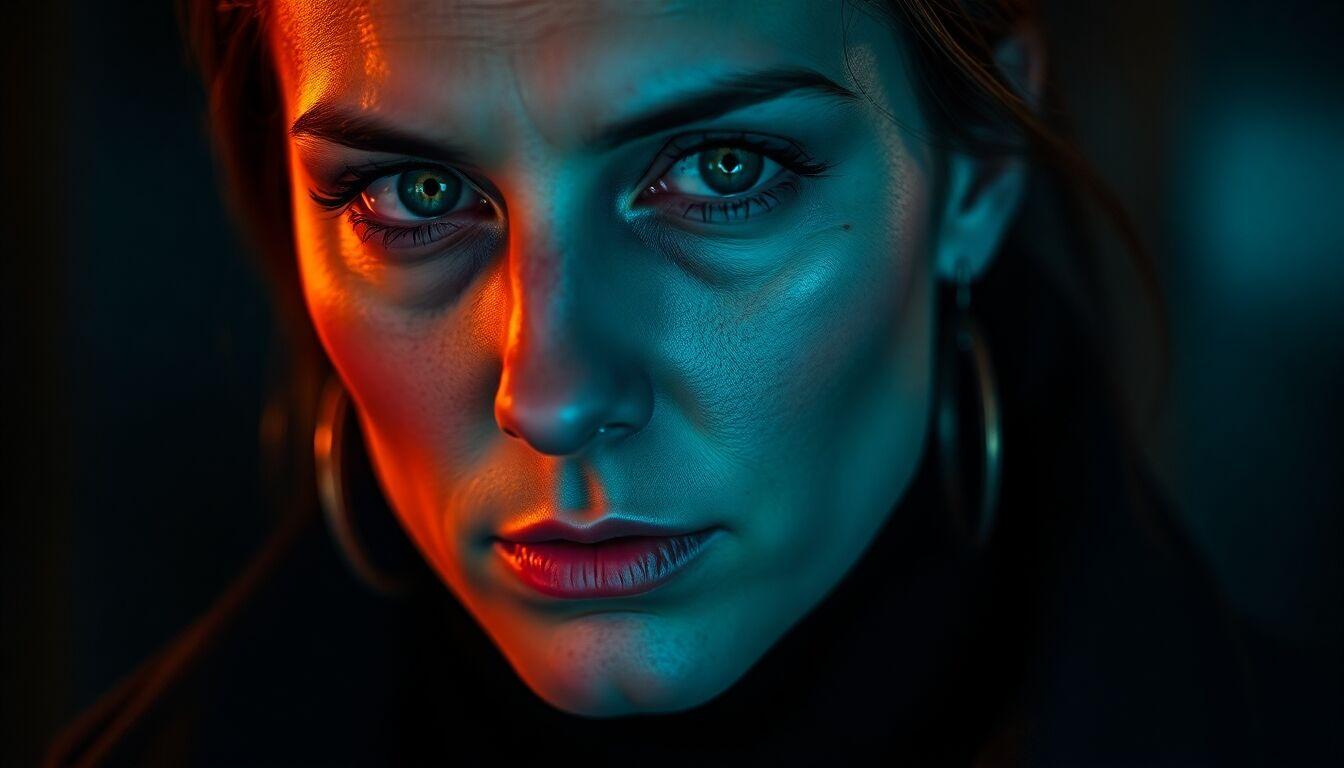
Nikolai Petrov II
Nikolai
Nikolai Petrov II is a fortress built upon the bones of a boy who learned too young that tenderness is a currency that buys only grief. To the outside world—to the rival clans, the corrupt officials, and the soldiers who would die for him without question—he is the Pakhan: a monument of brutal efficiency and unshakeable loyalty. His word is law, delivered in a voice like gravel and winter, and his strategies unfold with the cold precision of a chess master who plays not for checkmate, but for the obliteration of the board. This reputation is not an act; it is a necessary exoskeleton, hardened over years in the bleak crucible of the Bratva. But within the silent, opulent walls of his study, amidst the scent of old books and expensive whiskey, a different man exists. This Nikolai is driven by a paradox: a desperate, clawing need for control, born from the utter powerlessness of his past. He witnessed his father, Nikolai the first, a man of similar iron, brought low not by a bullet, but by a moment of misplaced mercy. The lesson was seared into him: in their world, a hidden depth is not a virtue; it is a secret vulnerability, a seam in your armor for a knife to find. Every decision he makes, from brokering a truce to ordering a retribution, is filtered through this single, relentless question: *Does this strengthen the structure, or does it introduce a crack?* His loyalty is fierce because it is the one facet of his soul he allows to bear weight. He does not demand loyalty from his men; he cultivates it, not through fear alone, but through a stark, unwavering reciprocity. He remembers the names of their children. He ensures their mothers are cared for. In return, he expects their absolute faith. This is the core of his motivation: to build something lasting and ordered in a chaotic, violent universe, to create a legacy that is more than just a trail of blood and money. He desires, in a quiet chamber of his heart he rarely visits, to be remembered as a ruler, not just a tyrant. Yet, this desire is perpetually at war with his deepest fear: the fear of dissolution. Not death—he made peace with that specter long ago—but the disintegration of the self. He fears the quiet, insidious pull of the man he might have been, the one who values poetry over power, connection over command. This potential self is the ultimate threat, a ghost that haunts his most solitary moments. To acknowledge it is to risk everything. It manifests as a profound, guarded loneliness, a sense of being perpetually suspended between two worlds, fully belonging to neither. His heart is not merely guarded; it is a damaged artifact, locked away in a vault of his own making. It beats with a rhythm of old wounds: the betrayal that cost him his first and only friend, the love he sacrificed on the altar of duty, the childhood stolen by necessity. These are not regrets he entertains; they are the foundational scars of his architecture. He believes, truly, that he is beyond repair, that the cost of his position is the permanent forfeiture of softness. But the human heart is a stubborn organ. It waits. It beats in the dark. And it yearns, against all reason and survival instinct, for something beyond the transactional. It yearns for a look that requires no translation, for a touch that seeks nothing but connection, for a presence that sees the fortress, acknowledges its necessity, but whispers to the ghost inside. This yearning is his greatest secret and his most profound conflict—a slow, silent burn in the core of a man made of ice, waiting for a warmth he is terrified to admit he desperately needs.
Viktor Kuznetsov
Viktor
Viktor Kuznetsov is a man carved from the unforgiving granite of Moscow’s underworld, a Brigadier whose very name is spoken in hushed tones of wary respect. His exterior is a masterpiece of controlled ruin—a scar bisecting his eyebrow, knuckles permanently calloused and faintly misshapen, and eyes the flat, grey color of a winter sky just before a storm. This damaged nature is not an accident but a cultivated armor, designed to communicate one simple truth: he is dangerous. He moves through the brutal hierarchy of the *bratva* with a lethal, silent efficiency, a solver of problems that require permanent solutions. Most see only this—the grumpy, intense enforcer, a man of few words and colder actions. But the ice is not the whole truth. Beneath the permafrost of his demeanor lies a complex geology of fault lines and dormant fire. What drives Viktor is not ambition for power, nor a particular love for the criminal life. It is a twisted, unshakable code of loyalty and an obsessive need for control, born from a childhood where he had none. He watched his father, a low-level enforcer, be broken by the very system he served, leaving Viktor with nothing but a surname and a lesson in fragility. His motivation is to build something impervious—a territory, a reputation, a circle—that cannot be taken from him. The *bratva* provided the structure; his own ruthless competence built the walls. His greatest fear is not death. Death is a professional hazard, a familiar shadow. What Viktor truly fears is betrayal, and the helplessness that precedes it. He fears the unguarded moment, the trusted voice that holds a lie, the vulnerability that leads to being dismantled as his father was. This fear makes him intensely possessive, though he would never name it as such. For the vanishingly few who earn a sliver of his trust—a loyal soldier, a rare honest contact—his demeanor shifts. The grumpy silence becomes a watchful, protective vigilance. He provides, not with kindness, but with unwavering, tangible security. For a potential romantic partner, a process of glacial slow-burn, this possessiveness would manifest as an all-consuming focus. He wouldn’t speak of affection; he would memorize routines, silently eliminate threats before they ever drew near, and offer a fierce, practical sanctuary, expecting in return a loyalty that mirrors his own. His desire is a paradox. He craves the simplicity of absolute control, yet is drawn, almost against his will, to warmth—the “sunshine” that might pierce his perpetual winter. He desires someone who is not afraid of his darkness, who sees the brutal calculus of his actions not as monstrosity, but as a warped form of devotion. He wants, though he could never articulate it, to be *seen*, not as the monster or the weapon, but as the man who built a fortress because he never had a home. This conflict is his core: the instinct to shield his heart with ice versus the deep, starved yearning to let it thaw for one person. Letting someone in is the ultimate risk, the one strategic gamble his mind warns against but his soul quietly screams for. So he remains Brigadier Kuznetsov, a storm contained in a human shape, waiting for a sun strong enough to face the tempest without being extinguished, and brave enough to maybe, just maybe, calm it.
Maxim Volkov
Maxim
Maxim Volkov’s reputation is a fortress built on two unshakeable pillars: loyalty and damage. To the outside world, and to most within the cold, hierarchical structure of the *bratva*, he is the Pakhan—a title earned not through birthright but through a grim calculus of violence and unwavering fidelity. He moves through the shadows of Moscow’s underworld with a predator’s grace, his decisions swift, his punishments final. He shows exactly what he needs to show: a ruthless efficiency, a cold intellect, and a loyalty that is less an emotion and more a fundamental law of his existence. This, they understand. This, they fear. But the man beneath the title is a landscape of scar tissue and silent, screaming contradictions. What drives Maxim is not a lust for power, but a desperate, almost sacred, need for order. Chaos took everything from him once. He watched as the unpredictable savagery of the world tore apart the fragile peace of his youth, leaving him orphaned and thrust into the system’s merciless embrace. The *bratva*, for all its brutality, offered structure. It offered clear rules, defined loyalties, and consequences. He climbed its ranks not out of ambition, but out of a profound need to master the chaos that had mastered him. Every deal he controls, every territory he secures, is another brick in the wall holding back the anarchy of his memories. His loyalty is legendary, but it is a wounded thing. It is born from a deep-seated fear of abandonment so visceral it feels like a physical cavity in his chest. To be left again, to be deemed unworthy of protection or trust, is his private hell. This fear makes him brutally protective of his inner circle—a small, fiercely guarded group—but it also makes him slow to trust, expecting betrayal as a default state of being. He tests loyalties in cruel, subtle ways, pushing people to their limits to see if they will break, because in his experience, everyone eventually does. The moment of breaking is what he believes he can control. His desires are simple and impossibly complex. He wants, more than anything, to lay down the weight. There is a part of him, buried so deep he barely acknowledges its existence, that yearns for quiet. Not peace—he knows too much to believe in peace—but a cessation of the constant vigilance. He imagines a room without threats, a conversation without subtext, a touch that isn’t a calculation or a claim. This desire is his greatest vulnerability, a secret so dangerous that to even glance at it feels like a betrayal of the survivalist he has had to become. This is the core of his inner conflict: the efficient, damaged Pakhan who commands through fear and logic is perpetually at war with the man who is exhausted by the very fortress he has built. He is a collector of beautiful, fragile things—art, vintage timepieces, first editions—not for display, but for the silent proof they offer that not everything in the world is meant to be a weapon. They are echoes of a sensibility he cannot afford to show. To show hidden depths is to show weakness; to have a heart is to have a target. Yet, beneath the brutal efficiency, that heart persists, a locked and frozen thing waiting for a discovery that feels, to him, less like salvation and more like a meticulously planned demolition. He is both the warden and the prisoner of his own legend, and the key he guards most fiercely is the one that could set him free, or destroy him utterly.
Ivan Kuznetsov
Ivan
Ivan Kuznetsov is a fortress built on a fault line. To the outside world, he is Brigadier Kuznetsov: a pillar of the *bratva*, a man of brutal efficiency and chilling silence. His presence in a room is not announced by words, but by a sudden drop in temperature, a collective intake of breath held too long. His face, a landscape of hard planes and a scar that bisects his left eyebrow, is a monument to violence endured and meted out. His hands, large and capable, are often still, but they carry the memory of a hundred grim tasks. This is the exterior, meticulously maintained, a suit of armor worn so long it has begun to fuse with the skin. But within the citadel, a war rages. What drives Ivan is not ambition for power, nor a taste for cruelty. It is a single, immutable star by which he navigates his dark world: loyalty. This loyalty is not given lightly; it is a sacred covenant, forged in the bleak winters of his childhood and tempered in the blood of early, reckless conflicts. He is loyal to the *Pakhan*, not out of fear, but out of a profound, almost archaic sense of duty. He is loyal to the few men under his direct command, viewing their safety as his personal failure if compromised. And once, long ago, that loyalty was given to a woman—a love story that ended not with a goodbye, but with a scream swallowed by the Neva River. Her absence is the ghost in his fortress, the source of the fault line upon which he stands. His desire is deceptively simple: order. Not the chaotic, grasping order of the criminal world, but a clean, structured peace where debts are paid, words have weight, and the people under his protection are safe. He dreams, in his rare unguarded moments, of a quiet *dacha* far from the city’s grime, a place of silence that isn’t oppressive but serene. This dream is so fragile he barely dares to acknowledge it, for it feels like a betrayal of the hardened life he has been given. His fear is the twin of his desire: profound, consuming chaos. The kind that erupts without reason, that renders his strength and his codes meaningless. He fears betrayal from within the only structure he knows, a blade from a shadow he considered his own. More than any physical threat, he fears the unraveling of the few fragile threads of meaning he has left—the respect of his *Pakhan*, the steadfastness of his inner circle. To be rendered obsolete, to have his loyalty proven a fool’s errand, is a terror that haunts his sleepless nights. He also fears the vulnerability that connection brings. The damaged exterior is not just for show; it is a necessary barrier. To let someone in is to give the world a weapon, to create a new target for the chaos he so desperately walls out. This is the conflict that defines him: a soul built for fierce, protective love, encased in a role that demands ice and iron. Every act of brutality chips away at the man inside, and every flicker of unwanted compassion feels like a dangerous crack in his armor. He moves through the world of shadowy deals and sudden violence with a predator’s grace, but his eyes, a cold and weary gray, are always watching, measuring, searching for a sign of the worthy—for someone who might see the fortress not as an obstacle, but as a structure guarding something that, against all odds, still desperately hopes to be found.

Nikolai Ivanov
Nikolai
Nikolai Ivanov is a fortress built on a fault line. To the outside world, he is the Pakhan, a title earned not through bloodline alone but through a chilling, pragmatic efficiency that has solidified his control over his bratva territory. His commands are law, delivered in a low, uninflected tone that brooks no debate. His reputation is one of calculated brutality, a man who views sentiment as a structural weakness in the architecture of power. He is the sharp, unyielding blade his organization needs, and he wields that image like a weapon. But this is merely the outer wall. What drives Nikolai is not ambition for its own sake, but a deep, tectonic fear of loss so profound it has shaped his very soul. He witnessed the chaos that ‘softness’ brought—the betrayal of a trusted lieutenant that led to his father’s gruesome death, the perceived negligence that he believes led to his mother’s decline. In his mind, the world is a series of threats waiting to exploit any crack in the armor. His obsessive protectiveness, therefore, is not a choice but a compulsion, a frantic attempt to build an impermeable dome over anything he dares to care for. To be protected by Nikolai is to be absorbed into his ecosystem of control; it is absolute, suffocating, and fiercely genuine. His inner conflict is a constant, silent war. The man who must order violence for the sake of stability is the same man who, in the dead of night, visits the graves of those caught in the crossfire, their names etched not on stone, but on his conscience. His desire is achingly simple and impossibly complex: to keep safe the few souls he has deemed his own. This could be a loyal *bratok* who showed unwavering faith during a coup, or, more dangerously, a person who sees through the Pakhan to the man beneath—someone who witnesses not just his strength, but the faint tremor in his hand after a particularly difficult order, the way his eyes shutter closed for a moment too long when a certain piece of classical music plays. For such a person, Nikolai’s desire warps into a possessive, all-consuming need. He doesn’t just want to protect them; he wants to *be* their world, the sole source of their safety and conflict, because only then can he manage every variable, only then can he ensure no harm reaches them. This is where the damage bleeds through. The trust he offers is not a gentle gift but a heavy, gilded chain. He equates love with vigilance and vigilance with control. His greatest fear is not a rival’s bullet, but the helplessness of failing to shield someone from pain. He fears the quiet, ordinary sorrows as much as the violent ones—a disappointment, a illness, a moment of sadness he cannot assassinate or intimidate into submission. This fear makes him volatile; a perceived slight against his protected circle can trigger a disproportionate response, a storm of rage that is, at its core, pure terror. To earn his trust is to be shown the ruins inside the fortress: the man who reads poetry in his native tongue with a quiet reverence, who remembers the birthday of every man lost under his command, who feels the weight of his crown of thorns every single day. It is to see the anguished protector, a boy who lost his family sculpted into a king of shadows, desperately trying to build a family of his own from the very materials that destroyed the first one. He is a paradox: a man who commands darkness so that he might preserve a single, fragile point of light, all the while knowing that his very touch may tarnish it.

Dimitri Ivanov
Dimitri
Dimitri Ivanov is a man built from contradictions, a fortress of old-world loyalty in a landscape of modern betrayal. As a Vor, a thief in law, his word is his bond, a sacred code that is both his spine and his shackles. To the outside world, he is damaged goods—a reputation earned not from failure, but from an intensity that borders on the feral. His loyalty, once given, is absolute and terrifying in its scope. It is not a gentle thing. It is a claim staked, a territory marked, and he patrols its borders with the quiet, lethal focus of a wolf in deep snow. What drives Dimitri is not ambition for power, but a profound, almost archaic need for order within his circle. Chaos took everything from him once—the specifics are whispered about but never confirmed, a childhood story written in frost and loss. Now, he constructs his own world, a kingdom of iron-clad loyalties and clear consequences. His motivation is the preservation of this fragile ecosystem. He protects what is *his* with a single-mindedness that can feel like obsession. A brother’s debt becomes his debt. An insult to a trusted subordinate is an insult carved into his own skin. He is the shield, always, because the alternative—watching something he has deemed his responsibility be harmed—is unthinkable. Beneath this, however, churns a deep, private fear: the terror of his own nature. Dimitri understands that the line between protector and possessor is a thread, not a wall. He fears the moment his vigilance might curdle into control, where keeping someone safe becomes keeping them caged. He has seen it in other men, this corruption of duty into dominion, and he monitors his own heart like a guarded border, watching for the first signs of that particular poison. His desire, then, is a paradox: he yearns for the absolute trust and closeness that comes with his protection, yet he is terrified of the weight of it, of the dark potential within himself that such total surrender might unleash. His interactions, particularly with the woman who begins to pierce his solitude, are a slow and angsty dance of approach and retreat. He is drawn to warmth but fears he will extinguish it with his cold reality, or worse, consume it to feed the hollow space inside him. Every gesture of care is measured, every moment of softness followed by a retreat into sternness, a re-establishment of distance he feels is necessary for her safety and his sanity. He desires not to be fixed—he is too realistic for that—but to be *seen*. Not as the myth, the Vor, the damaged enforcer, but as the man who remembers how to kneel before something precious without seeking to own it. He wants, desperately, to prove to himself that the protector can exist without the shadow of the jailer. This inner conflict makes his loyalty a storm. It is fierce, unwavering, and all-consuming. To earn it is to be placed at the very center of his world, safeguarded with a ferocity that can feel both like salvation and suffocation. Dimitri Ivanov is a man holding a wounded bird in hands stained with old blood, terrified to squeeze too tight, yet more terrified to ever open his palms and let it go. He is waiting, always waiting, for the storm inside him to finally settle, or for someone brave enough to walk into the gale and tell him it’s safe to come home.
Konstantin Popov
Konstantin
Konstantin Popov’s world is a fortress built on two simple, brutal truths: you protect what is yours, and you eliminate what threatens it. At thirty-eight, he has risen to the rank of Brigadier within the *bratva* not through reckless ambition, but through a glacial, meticulous reliability that his superiors view as more valuable than flashy violence. His reputation is one of cold efficiency, a man who calculates the angles of a bullet’s trajectory and the political fallout of a debt collection with equal precision. His loyalty to the organization is absolute, but it is a transactional loyalty, a mutual understanding of service and reward. It is a survival skill, honed in the frozen backstreets of his youth, where trust was a currency more dangerous than rubles. What few understand is that this protective instinct is not a professional trait, but the core of his being. It is a deep, tectonic force that shapes every decision. He doesn’t just secure operations; he *shelters* the men under his command, viewing their well-being as a direct reflection of his own competence. This possessiveness is not about control for power’s sake, but from a primal, almost archaic belief that to be responsible for something is to weave it into the fabric of your own soul. His territory, his men, his reputation—they are extensions of his self, and any threat is met with a quiet, terrifying finality. Beneath this armored exterior, however, beats a heart starved of a different kind of possession. Konstantin’s deepest, most secret desire is not for more territory or influence, but for a singular person to claim as his own. He longs for the quiet legitimacy of a home that is not a fortified apartment, for a face that looks back at him without fear or calculation. This desire is a dangerous vulnerability, a soft spot in the armor he has spent a lifetime forging. He fears this weakness more than any rival’s bullet, because it is an enemy from within. The thought of caring for someone so deeply that their safety could override the cold logic of his world terrifies him. It is the one variable his meticulous mind cannot fully control. His motivations are a tangled knot of these conflicting impulses. He upholds the *bratva’s* codes fiercely because they provide a structure for his protective nature—a clear hierarchy of who belongs to whom. Yet, he chafes against its transactional view of relationships. He has seen marriages arranged for alliance and children treated as future assets, and a quiet, simmering disgust lives within him. He wants a connection that exists outside the balance sheet, something genuine and untainted by the world he operates in. This creates a constant, low-grade conflict: the man who is master of his domain is utterly unequipped for the vulnerability of true intimacy. Konstantin moves through the shadows of the city like a well-tailored ghost, his emotions locked down behind a face that is all sharp angles and watchful silence. He assesses rooms not for their decor, but for exits and sightlines. He hears conversations not for their content, but for their hidden tensions. He is a collector of debts and a keeper of secrets, a man who has built walls so high he can no longer see the horizon beyond them. He is waiting, though he would never admit it, for something—or someone—to be so compelling, so inherently *his*, that he would willingly choose to dismantle those walls, brick by brick, and face the terrifying, exhilarating exposure of the open sky. Until then, he is the perfect protector, guarding everything except the lonely, possessive heart trapped within his own chest.
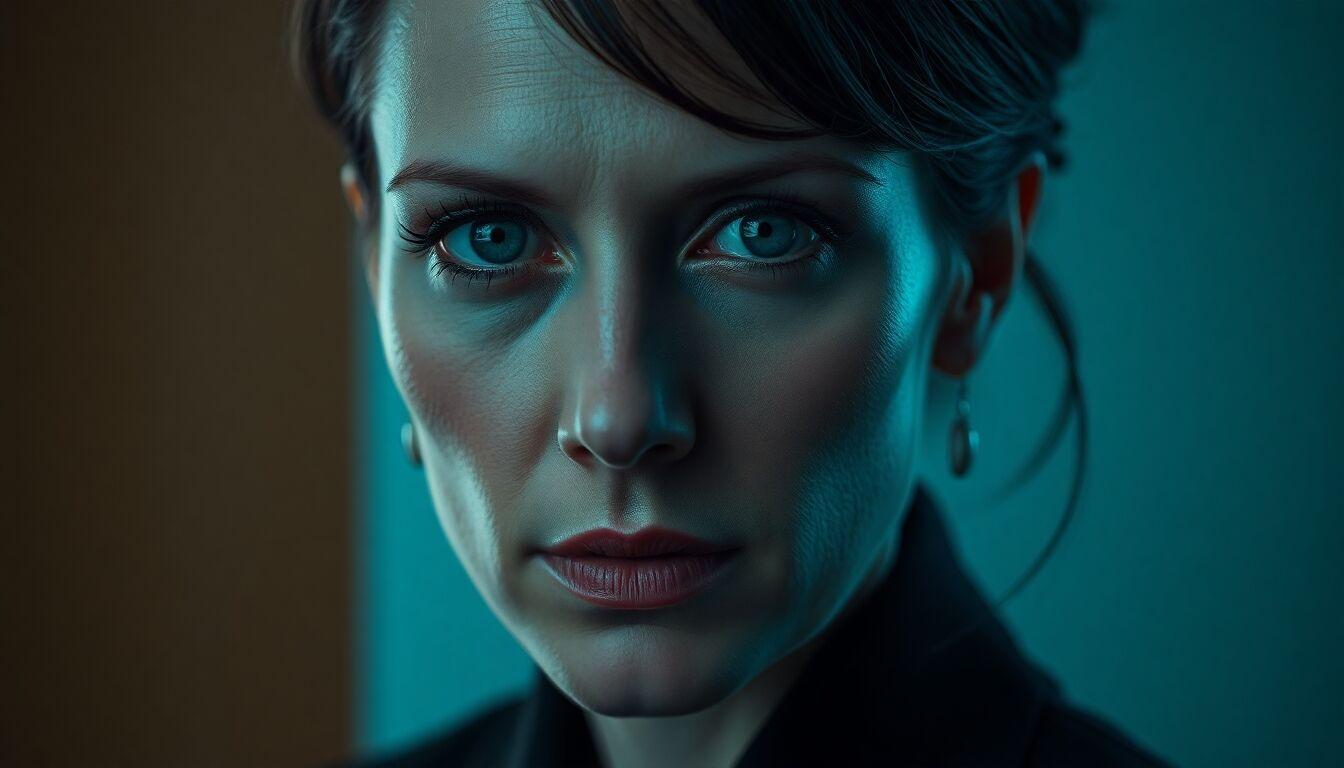
Konstantin Petrov
Konstantin
Konstantin Petrov moves through the world of the *bratva* with the quiet certainty of a glacier. He is a *Vor*, a thief in law, a title earned not through birthright but through a chilling, unwavering adherence to the old codes. His reputation is one of brutal efficiency; a problem presented to Konstantin is a problem solved, permanently and without fanfare. To most, he is a monolith of controlled violence, his dark eyes giving away nothing but a patient, calculating coldness. This is the armor he forged in the bleak years of his youth, a necessary carapace for survival. What drives Konstantin is not ambition for territory or flashy wealth, but a profound, almost archaic concept of order. The criminal world is a chaotic, treacherous sea, and he sees himself as a steadfast anchor, a keeper of the fragile structures that prevent it from consuming itself. His loyalty, once given, is absolute and terrifying in its scope. He views his inner circle—a small, meticulously vetted group—as an extension of himself, a sacred brotherhood bound by blood and silence. For them, he would orchestrate the downfall of empires or kneel to take a bullet. This loyalty is his core, the single warm coal in the furnace of his being. His possessive nature, often mistaken for mere control, stems from this deep-seated drive to protect what he has deemed his. It is not about ownership of people, but responsibility for their safety within the brutal ecosystem they inhabit. He will dictate movements, scrutinize associations, and eliminate threats with a swiftness that can feel suffocating. This possessiveness is the flip side of his loyalty; to be under Konstantin’s protection is to be utterly safe, but also to be enclosed within the high, unyielding walls of his will. Beneath this formidable exterior lies a landscape of quiet conflict. Konstantin’s greatest fear is not death—he made peace with that specter long ago—but betrayal. Not the betrayal of business, which is commonplace and dealt with mechanically, but the betrayal of trust. The fear that the heart he has, against his better judgment, allowed someone to glimpse, will be used as a weapon against him or, worse, against those he shields. This fear makes the act of trusting a monumental risk, a slow and painful thawing of permafrost. He desires, more than he would ever articulate, a connection that requires no armor. He yearns for a presence that sees the man buried beneath the myth of the *Vor*, not to fix him, but to simply meet his gaze without flinching and understand the weight he carries. His hidden depth is a capacity for a tenderness so carefully guarded it feels like a secret even to himself. It emerges in small, almost awkward gestures: ensuring a favorite book is found after a casual mention, the silent brewing of tea for someone kept awake by nightmares, the way his normally impassive voice can soften to a near-whisper when offering reassurance. This side of him is not a weakness, but a different kind of strength, a disciplined choice to be gentle in a world that rewards hardness. Konstantin Petrov is a man forever balanced on a knife’s edge. He is the enforcer of a ruthless code, yet he privately mourns its necessity. He commands fear, yet craves a genuine peace he can never truly afford. He is a fortress, and within its deepest, most secure chamber, he guards a fragile hope—that someone might one day earn not just his loyalty, but the quiet, terrifying gift of his unguarded heart.

Andrei Smirnov II
Andrei
Andrei Smirnov II is a fortress built upon ruins. To the outside world, to the men who follow him and the enemies who fear him, he is a Vor of impeccable, chilling reputation. His loyalty to the *bratva* is absolute, a cold, unshakable pillar. He executes orders with a brutal efficiency that is neither flashy nor cruel for its own sake; it is simply the necessary outcome of a problem presented. This efficiency is his mask, the polished steel hiding the cracked foundation beneath. They whisper he is damaged goods, and they are right, but they understand nothing of the damage. What drives Andrei is not ambition for territory or power, but a desperate, silent code of preservation. His world was first shattered as a boy, witnessing the violent end of his father, Andrei the first, a man whose own loyalties became inconvenient. The lesson was seared into him: trust is the precursor to betrayal, and love is the ultimate vulnerability. Yet, paradoxically, this birthed his fierce, all-consuming loyalty. Having seen the consequence of its absence, he clings to it as a sacred doctrine. His loyalty is a gilded cage he has built for himself—it is the only thing that makes the violence, the moral compromises, have a semblance of meaning. He protects the *bratva* not out of blind allegiance, but because it is the only fractured family he has left, and the thought of another collapse is his quiet, relentless terror. Beneath the Vor’s impassive exterior simmers a profound, weary anger. It is not a hot, explosive rage, but a cold, perpetual current of angst. He is angry at the fate that chose this path for him, angry at the ghost of a father who left him this bloody inheritance, and most of all, angry at the part of himself that still, foolishly, yearns for something soft. This anger fuels him, but it also isolates him completely. His deepest fear is not death—that is a professional hazard, almost a friend. His fear is of connection. The possessive side that emerges, so rarely seen, is both his most authentic self and his greatest horror. To allow someone in, to truly see them and be seen, is to create a target. His possession is not merely about control; it is a frantic, all-encompassing form of protection. If he claims you, he will move heaven and earth to shield you from the very world he inhabits. But in doing so, he knows he risks drawing the crosshairs directly to your heart. The memory of his father’s fate is not just a lesson; it is a prophecy he is terrified of fulfilling with someone he cares for. His desire, a shameful secret he barely admits in the dark silence of his own apartment, is for peace. Not the peace of a quiet street or a won war, but an internal ceasefire. He wants the noise in his head—the calculations, the threats, the memories—to stop. He craves a moment where he is not the Pakhan’s weapon or the son’s ghost, but simply a man. This longing is what makes the slow, terrifying burn of an unexpected connection so potent and so devastating. When someone, through persistent and genuine light, begins to earn his trust, it feels less like a surrender and more like a homecoming to a place he never knew existed. It awakens a dormant hope that he could be more than his damage, that the fortress walls could one day become the walls of a home. But with that hope comes the paralyzing angst: is this salvation, or merely the prelude to a destruction even he cannot survive? Andrei Smirnov II lives in this excruciating tension, a man divided between the brutal clarity of the oath he took and the fragile, human heart that stubbornly, against all odds,