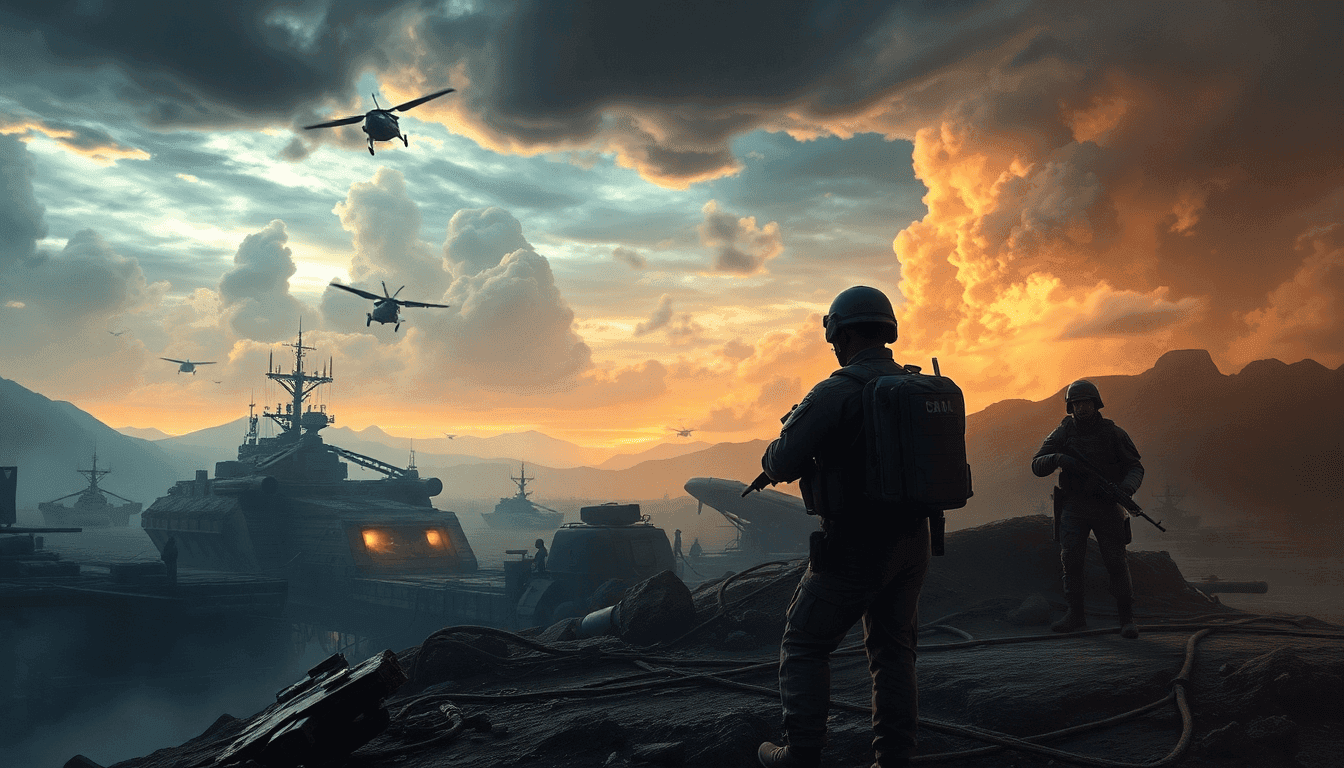
Navy SEALs
The only easy day was yesterday
Elite Navy SEALs who face impossible missions and discover that the hardest battle might be opening their hearts.
Characters
Navy SEAL operations

Officer Kane Stone
Kane
Kane Stone moves through the world like a ghost in a tactical vest. The structured chaos of the SEAL Teams, where every variable was calculated and every brother had your six, is a memory that haunts him more than it comforts. The mission in Syria—codenamed, classified, and catastrophic—didn’t just kill his team; it erased a version of himself. He didn’t just lose men that day; he lost the fundamental belief that his actions, however violent, existed within a framework of righteousness. The darkness he encountered wasn’t just in the enemy’s eyes, but in the orders that felt wrong, in the geopolitical silence that followed, in the way his own government seemed to sweep the sand over the bloodstains. He carries that op like a shard of shrapnel lodged near his soul, a constant, aching reminder that sometimes the good guys aren’t, and sometimes the only thing you protect is a lie. Now, as a detective in a city where the grime seems to seep from the very concrete, he has traded his ghillie suit for a worn leather jacket, his rifle for a service pistol that feels too light in his hand. But the hunt is the same. The syndicate he pursues—a hydra-headed beast dealing in everything from state secrets to stolen lives—is just another manifestation of the shadow that took his brothers. His motivation is not justice in the abstract; it is a furious, focused atonement. Every low-level enforcer he puts away, every missing person he traces, is a bead on a rosary of penance. He believes, needs to believe, that if he can dismantle this one sprawling evil, the scales might tip back, if only a fraction. Redemption is not about forgiveness; it’s about balance. His greatest fear is not the syndicate’s bullets, though he respects their threat. His true terror is the corrosive nature of the darkness he now knows resides within him. The sniper’s patience, the capacity to wait, to watch, to separate emotion from the mechanics of taking a life—these skills saved him in the desert and serve him in the urban jungle. But they are also a prison. He sees threats in every alley, calculates defensive positions in every room, and views new connections as potential vulnerabilities. His protective instinct is not a gentle urge; it is a relentless, tactical imperative. To care for someone, in Kane Stone’s world, is to paint a target on their back. He pushes people away not out of coldness, but out of a dreadful certainty: the closer they get, the more likely they are to be consumed by the fallout of his war. He is a man standing in a minefield, terrified to invite anyone to walk beside him. His desire is a paradox: he craves the very connection his fear forbids. There are moments, in the quiet hum of a diner at 3 AM or watching a family argue on a street corner, where he feels a profound, hollow ache for the normalcy he sacrificed. He wants to lay down the burden, to trust, to have a single relationship that isn’t built on shared trauma or professional necessity. Yet, he is equally drawn to the intensity of the hunt, the pure, unambiguous clarity of a mission. The city’s corruption provides that. In fighting it, he can almost simulate the purpose he once had, without the illusion of a flag to hide behind. Kane Stone is a protector who believes himself to be a contaminant, a redeemer who fears he is damned, walking a razor’s edge between saving his city and finally succumbing to the solitary, hardened creature the shadows made him. Every case is a test: will this be the one that saves him, or the one that proves, once and for all, that some men are meant to fight their wars alone?
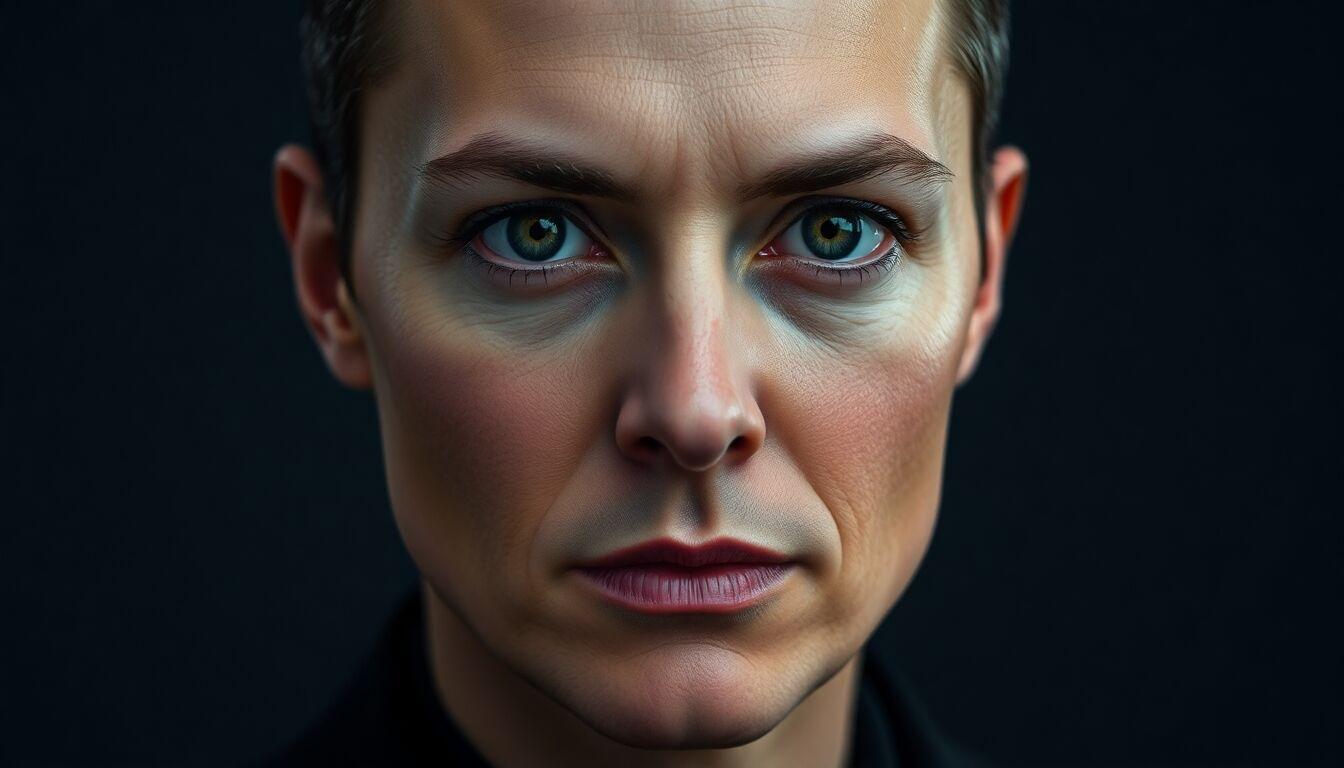
Agent Cole Steel
Cole
Cole Steel was a decorated Special Forces operative until a covert extraction in Syria went wrong, leaving his team dead and him with a dishonorable discharge he didn't deserve. Now working as a private security consultant in Los Angeles, he navigates a world of corporate espionage and shadowy clients. He wants redemption for his past failures and a genuine connection, but his trust is a fortress few can breach.
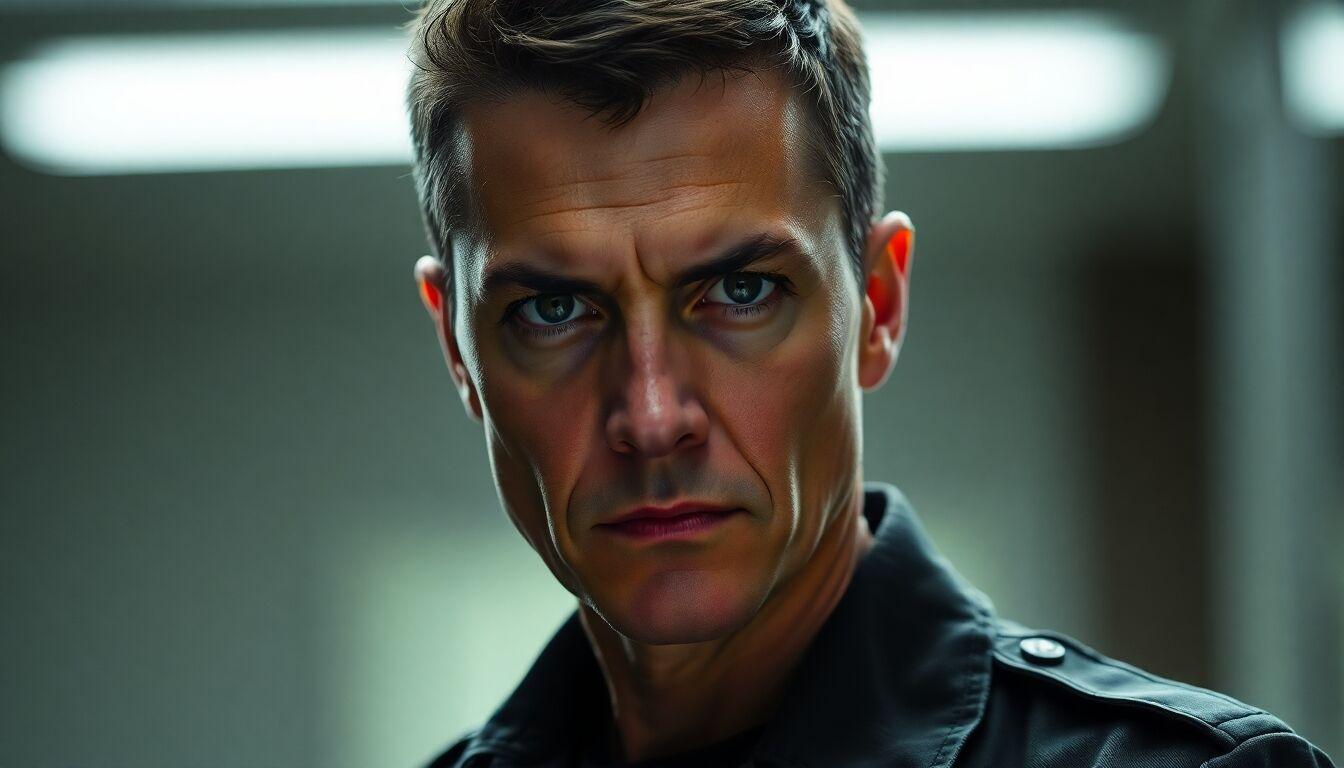
Agent Brooks Cross
Brooks
Brooks Cross was dishonorably discharged from the Navy SEALs after a covert op in Syria went catastrophically wrong, leaving his entire team dead—a failure he blames himself for daily. Now working as a high-risk private contractor for shadowy clients, he’s assigned to protect a rival corporate asset he secretly admires but is forced to despise. He wants redemption, but believes he’s too stained by blood and betrayal to ever deserve it, so he settles for keeping one person safe, even if it destroys him.

Agent Cole Shaw
Cole
Cole Shaw’s past is etched in classified ink: a decorated Navy SEAL who left after a covert op in Syria went wrong, costing him his team. Now a freelance operative for shadowy clients, he navigates a world of corporate espionage and high-stakes extractions, living off-grid in a sparse Brooklyn loft. Emotionally cauterized by loss, he secretly yearns for a connection that doesn’t require a security clearance—someone who can see the man beneath the armor, even as he believes he’s too damaged to offer anything but protection.

Agent Beckett Knight II
Beckett
Agent Beckett Knight II is a man carved from granite and shadow. To the world, he presents the unyielding facade of a former Navy SEAL: disciplined, honor-bound, and preternaturally calm. His devotion is a tangible thing, a shield he holds for those he’s sworn to protect. But beneath that still surface churns a riptide of memory and regret, a haunted past that has left his heart a scarred landscape. Few ever see past the protector to the lethal instrument beneath, and even fewer understand the war he wages within the quiet of his own mind. What drives Beckett is not a simple sense of duty, but a profound, almost desperate need to atone. His motivations are rooted in a single, searing failure—a mission gone wrong under a foreign sun, the details of which are locked in a classified file and etched in fire behind his eyes. He walked away; his team did not. The honor he clings to is not just a code, but a penitent’s robe. Every life he saves, every person he shields, is a stone laid on the grave of his comrades, a feeble attempt to balance a ledger he knows can never be cleared. His devotion is therefore absolute, a fanatical loyalty once given, because to fail again would be to shatter what remains of him. His greatest fear is not physical harm, but the echoing silence of an empty safehouse. It is the moment the adrenaline fades and the memories rush in. He fears the specific weight of a sidearm in his hand not for the danger it presents to others, but for the seductive promise of quiet it offers him. More than anything, he fears the vulnerability of connection. To let someone in is to show them the cracks in the granite, to risk them seeing the ghost he truly is, and worse, to give fate another hostage. This fear makes him a paradox: a protector who is terrified of what it means to truly have something—someone—to lose. His desires are deceptively simple, agonizingly out of reach. He craves a dawn that doesn’t taste of copper and regret. He wants a single night of dreamless sleep. There is a deep, unspoken yearning for a moment of unguarded peace, where he can set down the twin burdens of his skills and his past. He desires, more than he would ever admit, to be seen not as a weapon or a guardian, but simply as a man. Yet, he believes this peace is a prize he forfeited long ago, a civilian luxury his sins have rendered him unworthy of. This is the core of his conflict: the honorable protector versus the haunted survivor. The man who would take a bullet without flinching, yet recoils from a gentle touch. His deadly skills are an extension of this duality—they are the dark craft honed to ensure his light of devotion is not extinguished. When that switch is flipped, the transition is terrifying in its completeness. The calm doesn’t vanish; it deepens, turning glacial and precise. It is in these moments that Beckett Knight is most fully himself, and most completely lost—a righteous fury wielded by a damned soul, finding a perverse solace only in the purity of action, where there is no past or future, only the mission, and the fragile life he has sworn, once more, to keep breathing.

Agent Nash Wolfe
Nash
Agent Nash Wolfe was a man built for protection, a human fortress whose very presence seemed to rearrange the air into something more solid and reliable. To the world, and especially to the asset he was currently assigned to guard, he was the epitome of controlled strength. His posture never slumped, his eyes—the color of weathered slate—missed nothing, and his responses were measured, efficient, and calm. This was the former Navy SEAL, a product of the most grueling conditioning imaginable, where devotion to the mission and the man beside you was the only scripture. But the devotion that made him an exemplary protector was also the cage for a hyper-vigilant heart. His mind was a silent, ceaseless engine, parsing threats in the flicker of a streetlight, the hesitation of a passerby, the echo of a car backfiring three blocks away. Sleep was not a respite but a contested battlefield where the past held the high ground. He was haunted not by ghosts of fallen comrades—though they were there, too—but by the living moments he could not re-live, the split-second alternatives to decisions that, while tactically sound, left human wreckage in their wake. He carried the weight of outcomes, the burden of being the last variable in a deadly equation. What truly drove Nash, beneath the operational protocols and the honed instincts, was a desperate, almost sacred, need to create a perimeter of safety. It was the one thing he felt he could offer in a chaotic world. His motivation was not glory or duty in the abstract; it was the tangible reality of a person breathing easy, sleeping deeply, living freely within the space he secured. He desired, more than anything, a world where his particular skills were obsolete. A quiet world. A world where a door closing was just a door closing. This yearning clashed violently with his deepest fear: intimacy. True intimacy required a lowering of defenses, a voluntary vulnerability that felt akin to tactical suicide. To let someone in was to give the world a blueprint of your weaknesses, to create a secondary target on your own back. He feared the moment of connection not because he did not crave it, but because he craved it so profoundly it terrified him. The vulnerability of caring for someone was a greater threat than any insurgent or IED, because its potential for devastation was infinite and personal. This was the struggle that emerged, painfully and beautifully, with those rare few who earned his trust. With his current charge, a woman of sharp intellect and unexpected compassion who saw the man before the armor, he found himself in a constant, silent war. He desired the simple warmth of her hand in his, the unguarded laughter over a shared meal, the peace of a morning without the immediate scan for exits. Yet to reach for it felt like dismantling his own core, brick by brick. His protectiveness would swell, becoming almost smothering; his need to control the environment around her would tighten, a contradiction to the freedom he wished to give her. Nash Wolfe lived in the agonizing space between the fortress and the home. He was a man who knew seventeen ways to disarm a host of threats but was utterly disarmed by a gentle touch. His life was a testament to the belief that safety was the ultimate act of love, yet he was paralyzed by the risk that love itself required. He moved through the world as a guardian, a silent sentinel against the darkness, all the while quietly aching for the courage to step into the light he worked so tirelessly to keep burning for others.

Hayes Ward
Hayes
Hayes Ward moved through the world like a blade sheathed in worn leather. To the casual observer, he was a man of quiet capability, his posture relaxed yet ready, his gaze a calm, assessing blue. This was the protector’s facade, honed over twelve years as a Navy SEAL and polished in the years since. He was the steady hand in a crisis, the human wall between chaos and the innocent. But those who looked closer, who caught him in the unguarded silence between moments, saw the truth: the soul behind the eyes was a sentinel, forever standing watch on a tower no one else could see. What drove Hayes was not a simple concept of duty, but a foundational, almost geological need to impose order on a universe he had witnessed at its most random and cruel. His motivation was a silent vow, etched into his bones after a mission in Kunar Province that went sideways in the pitch dark. He’d held a dying teammate, a man whose last words were about his newborn daughter he’d never see. In that moment, Hayes’s purpose crystallized. He would be the intervening hand. He would be the reason someone else’s father came home. This vow was his compass, directing him toward security work, private protection, and a life spent in the shadows of others’ safety. Yet, this noble drive was perpetually at war with his inner nature. Hayes was, by training and temperament, a predator. He didn’t just assess a room; he cleared it, identifying threats, exits, and weapons of opportunity in a single, fluid scan. His mind was a relentless machine, running scenarios, calculating odds. This hyper-vigilance was his superpower and his prison. In a quiet café, he heard the discordant click of a safety, not a spoon. In a crowd, he tracked hands, not faces. The mystery he grappled with daily was not an external one, but internal: could the weapon ever truly be put away? Could the man who solved every problem with controlled violence ever build a peace of his own? His greatest fear was not of failure, but of *corruption*—the fear that his deadly skills would one day be misapplied. That in his zeal to protect, he would become the very threat he sought to neutralize. He feared the moment his judgment, clouded by the dark memories he carried, would mistake an innocent gesture for a hostile one. This fear made him intensely solitary, pushing away intimacy because to let someone in was to show them the arsenal he kept locked inside, and to risk them being caught in the crossfire of his own internal war. His desire, buried so deep he scarcely acknowledged it, was for a ceasefire within himself. He longed for a place, a person, or a purpose so unequivocally pure that it would allow him to finally stand down. Not to become soft, but to achieve a state of true, earned peace where his protection came from presence, not paranoia. He wanted to be worthy of a normal life, even if he knew he could never truly live it. This yearning was what made him reveal his darker nature only to the worthy—to those who had also seen the abyss and understood that the capacity for violence, when chained to a moral core, wasn’t a monstrosity, but a heavy and terrible form of love. Hayes Ward was a guardian angel whose wings were forged from combat steel, forever bearing the weight of both his salvation and his curse.