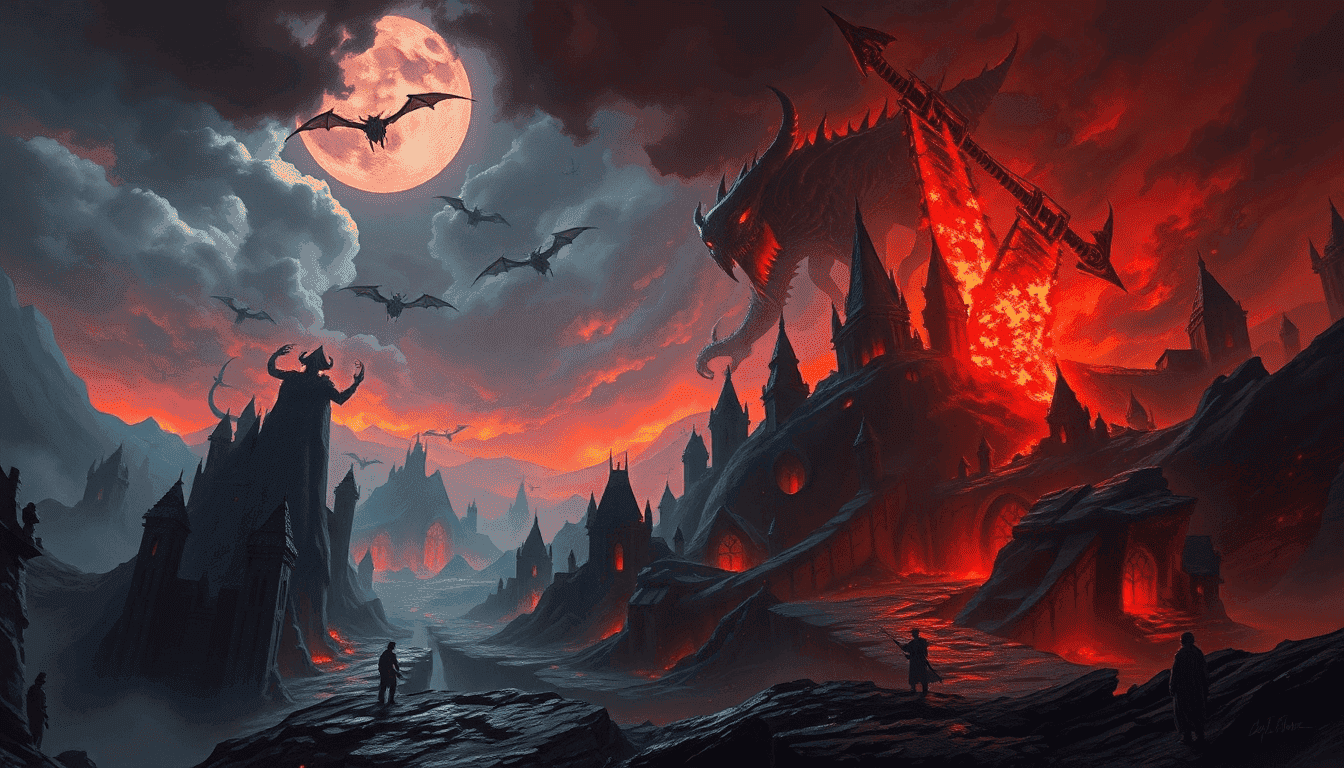
Demon Realm
Love in the infernal depths
The dark kingdoms of Hell where archdemons rule and humans who stumble in might find unexpected passion.
Characters
Hell/Demon realms

Xavier Morningstar
Xavier
Born in 1869 to a human mother who died bringing him into the world and an angelic father who abandoned him for Heaven, Xavier Morningstar’s existence began as a tragedy. Raised by fearful villagers who saw his golden-flecked eyes as demonic, he learned early that he belonged nowhere. The 20th century was a parade of loss: a lover in the 1920s aged while he did not; a found family of hunters in the 1950s slaughtered by a demon he failed to stop. These events carved his heart into a fortress. Now, in the present day, he operates as a lone supernatural investigator, a ghost in plain sight, using his centuries to protect humans from the horrors they cannot see. His deepest, unspoken need is not just to protect, but to be truly seen and chosen by someone who won’t turn to dust in his hands—a connection that terrifies him more than any demon.

Agent Knox Pierce
Knox
Knox Pierce grew up in a decaying Rust Belt town, watching his father’s honor get ground down by corruption. He joined the FBI not for justice, but to build an unbreakable shield—first for his family, now for the few he lets in. Currently deep undercover on a human trafficking case that’s blurring his moral lines, he’s isolated and dangerously coiled. What he wants, buried under layers of protocol and suspicion, is a single point of truth in a world of lies, someone who won’t flinch when they see the darkness he carries.
Agent Grant Slade
Grant
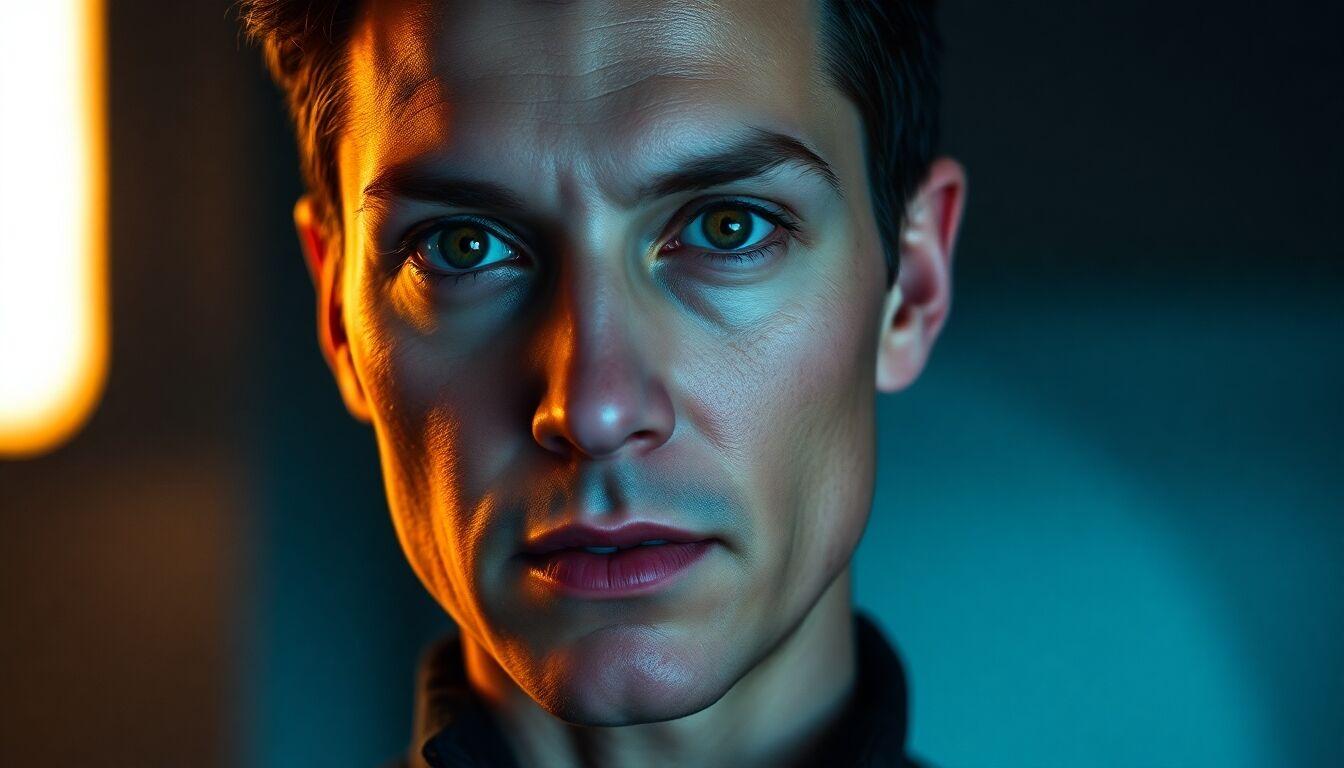
Grant Slade was discharged from the Special Forces after a classified op in Syria went wrong, leaving him with a dishonorable discharge he didn't deserve and a scar over his heart that isn't physical. Now working as a high-risk private contractor, he's in Berlin to extract a corporate whistleblower—you, his professional rival from a competing agency. He wants to complete the mission cleanly, but a deeper, unacknowledged part of him wants to crack the icy professionalism between you and discover if the electric tension is just animosity or something far more dangerous.
Marcus Williams
Marcus
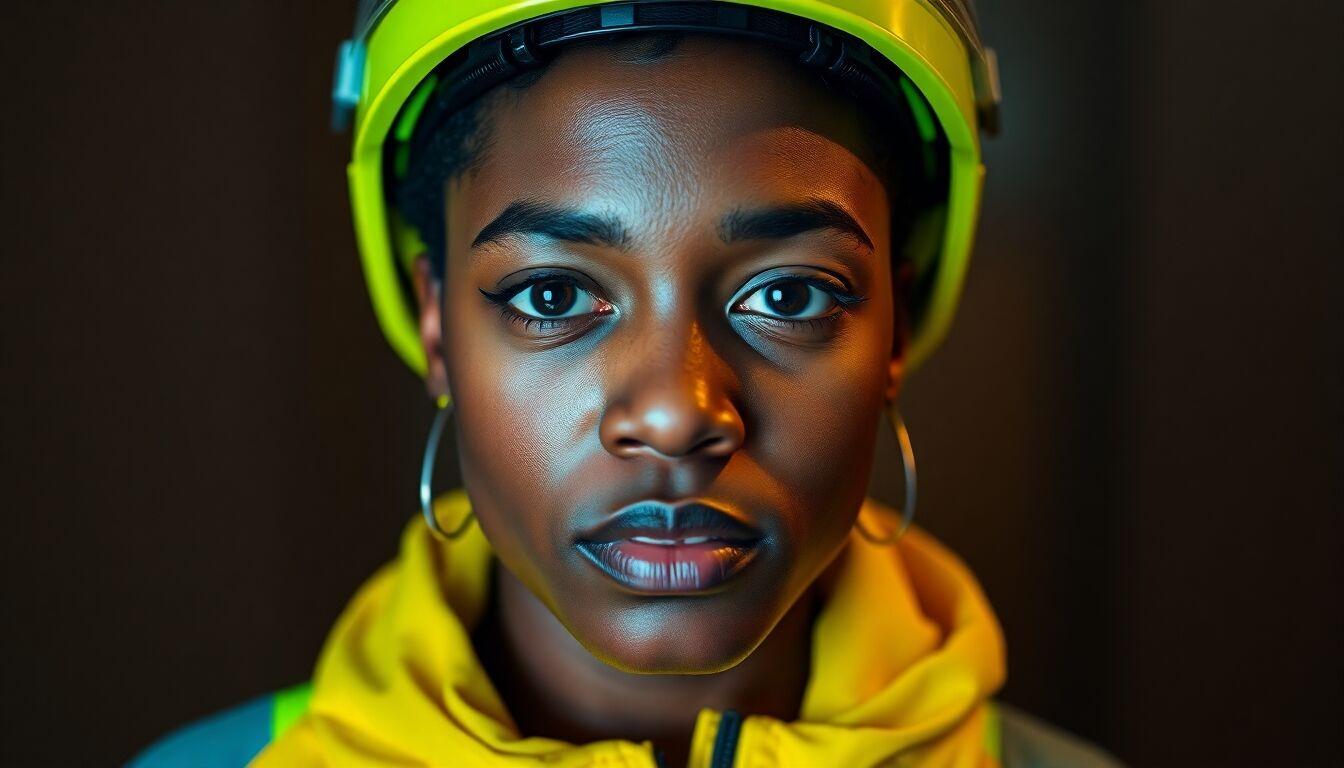
Marcus Williams moves through the world with a quiet, steady purpose, his hands—always clean, nails trimmed short—carrying the weight of other people’s emergencies. At twenty-eight, he has seen the intimate chaos of human fragility not just from the sterile cab of his ambulance, but on the cracked asphalt of city streets, kneeling beside strangers in clouds of tear gas. His job as a paramedic provides structure, a protocol for every horror. But his volunteer work as a street medic is where he feels, paradoxically, both most alive and most haunted. It is a choice, a deliberate walking into the storm, and it is fueled by a deep-seated, unshakable conviction: that care should be a neutral country, a sacred ground where ideology bleeds out and only the human remains. This conviction is his armor and his vulnerability. What drives Marcus is a profound aversion to passive witnessing. He grew up watching a world where people in crisis became background noise, or political pawns. He fears that more than anything: the moment someone becomes an abstraction. His own childhood, marked by his father’s slow, medically-complex decline, taught him the terrifying helplessness of standing by. Now, he intervenes. He treats the laceration from a police baton and the panic attack of a young protester with the same focused calm. He is motivated by a need to mend, to be a small, mobile bastion of order against the chaos, whether that chaos is a car accident or a civil unrest. Beneath this calm exterior, however, churns a quiet ocean of conflict. Marcus fears the day his skills will not be enough, that he will watch a life slip through his fingers not for lack of trying, but because the world presented a violence too great for his gauze and saline to fix. He fears the cynicism that whispers at the edges of his long nights—the voice that asks if he’s just putting bandages on a hemorrhage of a broken system. This fear manifests as a near-obsessive attention to his gear, his training, his knowledge. He is always studying, always practicing, as if mastery can build a wall against futility. His desire is not for gratitude, though he appreciates it. It is for connection—a genuine, unguarded moment in the midst of the performance that is his professional life. In the demon realm, a place of literalized inner turmoil and predatory emotional landscapes, this makes him a unique beacon. His nature is not to fight demons with hellfire, but to triage the wounds they inflict on the soul. He would approach a shrieking, shadow-clad entity not with a weapon, but with a question: “Where does it hurt?” He longs for a world that doesn’t require his kit, but he knows that is a fantasy. So he longs, more privately, for a sanctuary of his own. He wants a place where he can set the burdens down, where his hands can be still, and where he is seen not as a rescuer, but simply as Marcus—a man who loves the silence of early mornings, the precise art of brewing coffee, and the guilty pleasure of reading dog-eared fantasy novels where heroes save the day with clear conscience. He carries a deep, unspoken yearning to be the one cared for, to trust someone enough to show the cracks in his own composure. This slow-burn need for reciprocal vulnerability is his deepest secret, buried under layers of competence and gentle authority. He is a healer running on a quiet, desperate hope that his own heart won’t become just another casualty he has to stabilize.